

Gym Belt for Men: Sizing, Belt Types, and When You Actually Need One

By Flexi Muscles — 30 July 2026 · 9 min read
A gym belt for men is sized the same way any weightlifting belt is sized — by waist circumference at the navel, not trouser size — but men's belt ranges typically run wider, from around 70cm up to 130cm and beyond, to fit a bigger chest-to-waist taper. The bigger decision is not gender at all: it is whether you need a uniform-width powerlifting belt for heavy compound lifts, a tapered bodybuilding belt for general training, or no belt at all because you have not built the beltless strength one is meant to support yet.
Shop Gym Belts & Lifting Accessories at Flexi Muscles
What "Gym Belt for Men" Actually Means
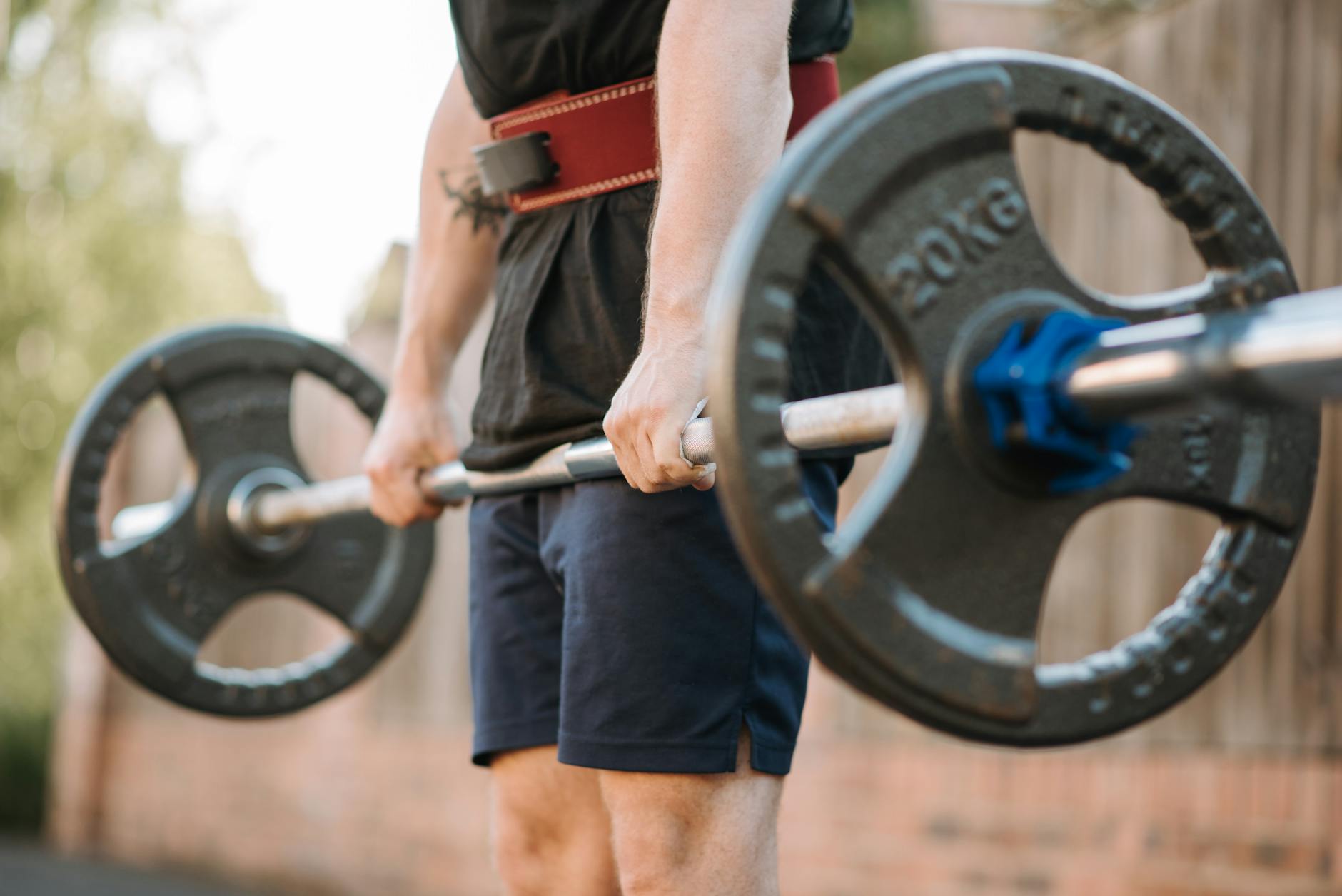
The mechanics of a lifting belt do not change based on who is wearing it. Width, thickness, and material matter the same way for every lifter. What actually changes for most men is the sizing range you need. A men's belt range typically runs from around 70cm up to 130cm or more at the top end, wider than the unisex small-to-large labelling common on budget belts, because the average male chest-to-waist ratio needs a bigger jump between adjacent sizes to fit correctly.
Straight up: if a listing only offers S/M/L with no waist measurement attached, skip it. That labelling tells you nothing about where the belt actually sits on your body, and a belt that rides half a size too big will slip during a heavy set regardless of how good the leather is. Buy on circumference in centimetres, measured at the navel, every time.
Three things that genuinely matter when picking a gym belt as a man with a bigger frame:
- Waist circumference at the navel — not trouser size, which sits several centimetres lower and reads smaller than your actual belt measurement
- Uniform width over tapered — a wider torso needs the same 10cm of bracing surface all the way around, not a narrow front panel that a tapered design gives you
- Hole range or lever adjustment span — if your weight fluctuates through a bulking or cutting phase, check the belt has enough adjustment room to still fit properly at both ends of that range
Everything past sizing is the same decision any lifter makes: closure type, width, thickness, and material. The next two sections cover the part the generic listicles skip — the difference between a belt built for bodybuilding-style training and one built for maximal lifts, and where the "back support" framing on gym belts actually comes from.
Bodybuilding Belt vs Powerlifting Belt — Different Jobs
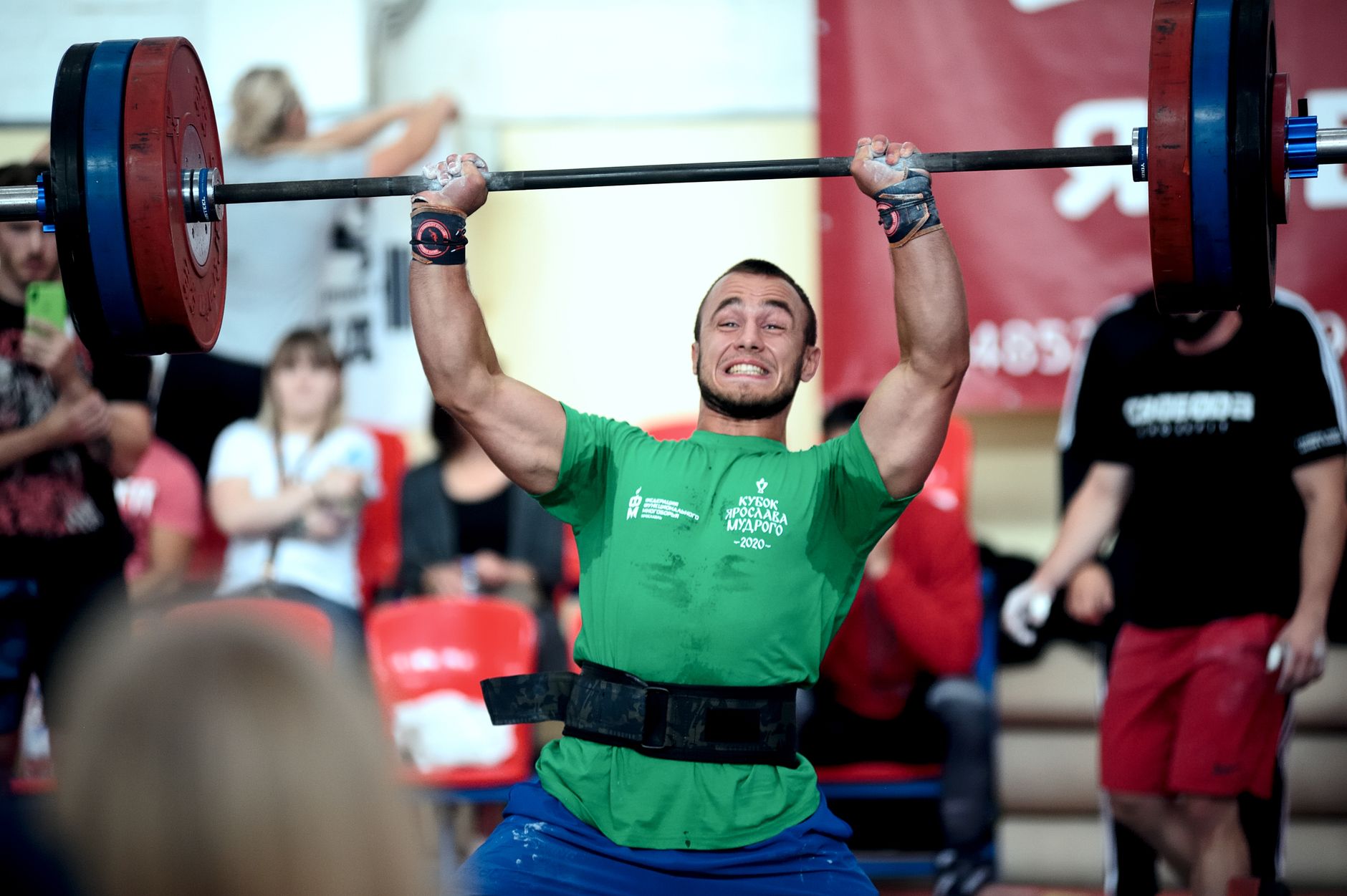
These two get sold under overlapping marketing copy, but they are built for different training patterns.
Bodybuilding belt
Usually tapered — wider across the back, narrower at the front — and made from nylon or thinner leather. Bodybuilders tend to wear it looser and for longer stretches of a session, using it as a bracing cue across sets rather than reserving it for one or two maximal attempts. The tapered cut trades some abdominal support for torso mobility, which matters more across a high-volume session than it does on a single heavy pull.
Powerlifting belt
Uniform width all the way around, typically 10cm, and made from thick leather with a lever or double-prong closure. It gets cinched tight only for working sets at or near a one-rep max, then loosened or removed between attempts. The even width matters here because at maximal loads, the narrow front panel of a tapered belt is exactly where you need the most bracing surface and get the least.
Heads up: buying a tapered bodybuilding belt because it looks more like what you have seen in gym videos, then trying to use it for a near-max deadlift, is the most common mismatch we see. It is not that the belt is low quality — it is built for a different job. If your training is mostly hypertrophy work in the 8–15 rep range, the tapered belt is the right tool. If you are chasing a heavier squat, deadlift, or overhead press single, the uniform-width belt does more for you.
Browse the full range of gym belts and lifting accessories at Flexi Muscles, including both tapered and uniform-width options.
Back Support Belt for Lifting: What It Prevents and What It Doesn't
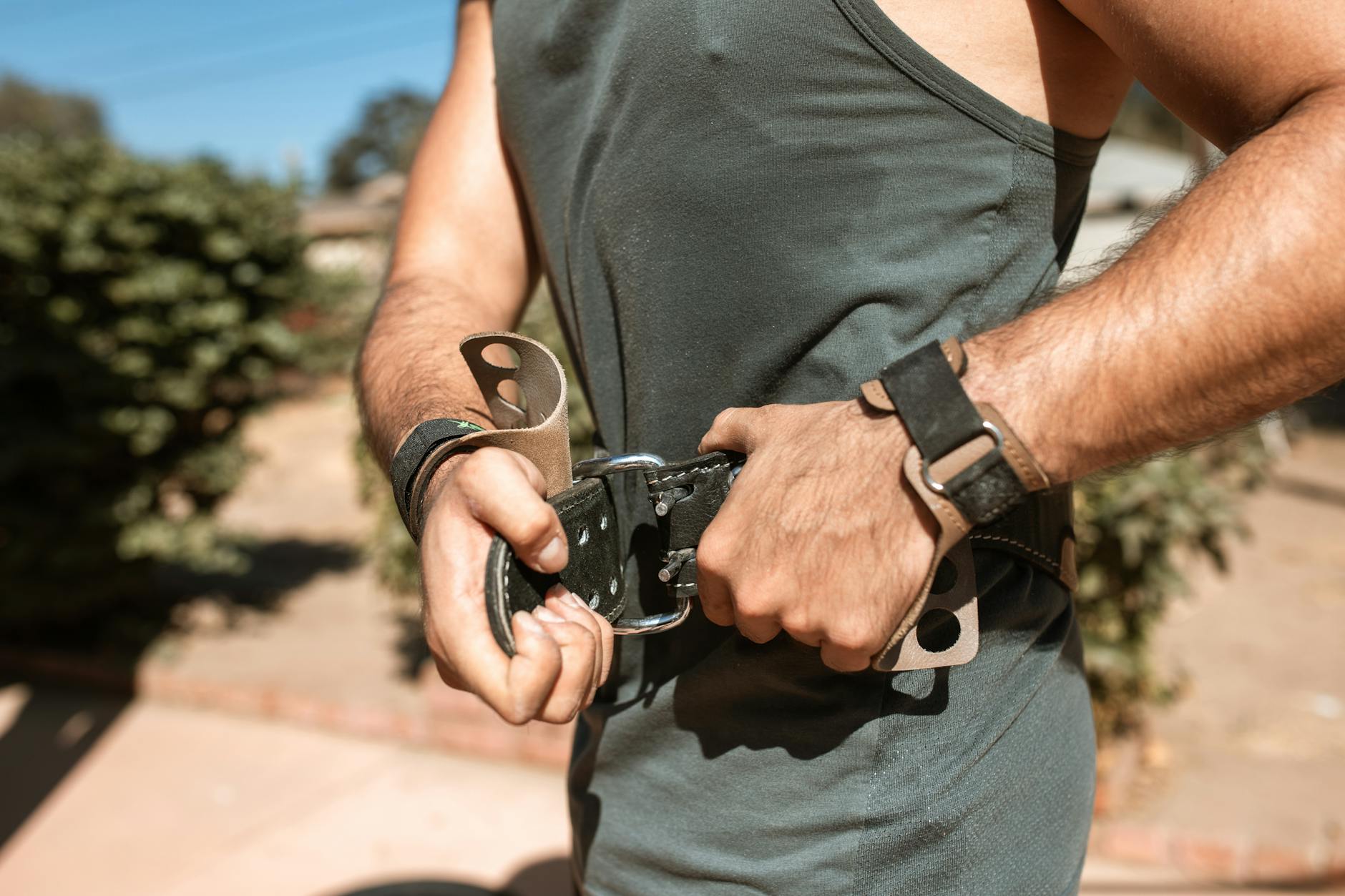
"Back support belt" gets used to describe two different products, and mixing them up wastes money. One is a gym weightlifting belt, worn for specific heavy sets to increase intra-abdominal pressure — research puts that increase at roughly 25 to 40 percent compared to lifting beltless. The other is an occupational back-support belt, marketed to warehouse and manual labour workers as injury prevention worn all day.
Here is the opinion we will actually stand behind: if you are buying a belt specifically to prevent back injury at work rather than to support a specific heavy lift in training, the evidence does not back it up. The US National Institute for Occupational Safety and Health reviewed the published research on occupational back belts and concluded there is insufficient evidence that they reduce the risk of back injury, and flagged that wearing one can create a false sense of security that leads people to lift heavier loads than they otherwise would. That is not a case against gym weightlifting belts — the research on those, worn correctly for specific heavy sets, is genuinely different and more favourable. It is a case against treating "back support belt" as one product with one body of evidence behind it.
For gym use, that distinction changes what you should expect from a belt. It braces your spine during a heavy set by giving you something rigid to push against. It does not correct poor lifting technique, and it does not treat an existing back injury — see a physiotherapist for that, not a belt listing.
How to Choose the Right Fit for a Bigger Frame

Sizing chart
Measure your waist at the navel with a soft tape, standing relaxed rather than braced. Use that number, not your trouser size, against the belt's stated range:
| Waist at navel | Typical belt size |
|---|---|
| 70–85cm | Small |
| 85–100cm | Medium |
| 100–115cm | Large |
| 115–130cm+ | XL / XXL |
Ranges vary by brand and by whether the belt is leather or nylon — nylon and velcro belts generally cover a wider span per size than leather, since the closure itself is more adjustable. Always check the specific product's measurement range rather than assuming these bands apply exactly.
Width and thickness
A uniform 10cm width is the standard for anyone lifting heavy compound movements regularly. Thickness runs 10mm for most training use, or 13mm for competitive powerlifters who want maximum rigidity and are willing to spend months breaking the leather in. For general training, 10mm is enough — 13mm is a specialist choice, not an upgrade everyone needs.
Material
Leather holds its shape under heavy, consistent loading and, looked after properly, lasts well over a decade. It takes a few months of regular use to break in fully. Nylon and velcro belts are lighter, cheaper, and ready to use immediately, which makes them the better starting point if you are not yet sure a belt is a permanent part of your training.
Skip a gym belt entirely if:
- You have less than six to twelve months of consistent barbell training under your belt (no pun intended) — you need to build the beltless brace first, or the belt is just masking a gap in your core strength
- Your training is mostly isolation work — curls, extensions, machine exercises — where there is no meaningful spinal loading for a belt to support
- You are buying it to treat an existing back injury rather than to support a specific heavy lift — that is a physiotherapy conversation, not a belt purchase
For a complete overview of strength training equipment, browse the strength training range at Flexi Muscles.
Frequently Asked Questions
What size gym belt should a man buy?
Measure your waist circumference at the navel, not your trouser size, which sits lower and reads smaller. Most men's belt ranges run from roughly 70cm to 130cm to cover a wider chest-to-waist taper than unisex small-to-large labelling accounts for. If your measurement lands between two sizes, size down: a belt that is slightly snug still braces correctly once you inhale against it, while one that is too loose gives you nothing to push against.
Is a bodybuilding belt the same as a weightlifting belt?
No. A bodybuilding belt is usually tapered, wider at the back and narrower at the front, and gets worn loosely through an entire training session for general core cueing. A powerlifting belt is uniform width, typically 10cm all the way around, made from thicker leather, and gets cinched tight only for near-maximal working sets. Both increase intra-abdominal pressure, but the powerlifting-style belt does it more effectively at heavy loads because the width does not narrow at the point where you need the most support.
Do gym belts help with lower back pain?
For an existing back injury, no — see a physiotherapist rather than reaching for a belt. For bracing support during heavy compound lifts, a weightlifting belt does have research behind it: it raises intra-abdominal pressure by roughly 25 to 40 percent compared to lifting beltless. That is a lifting-performance effect, not a medical treatment. NIOSH reviewed occupational back belts specifically and found insufficient evidence that wearing one at work prevents back injury, and warned that it can create a false sense of security that leads people to lift more than they should.
What's the best belt width for a big guy?
A uniform 10cm (4 inch) width, not a tapered one. On a bigger frame, a tapered belt's narrow front section sits across a proportionally larger stretch of abdomen, so you lose support exactly where a heavier torso needs it most. A uniform-width belt keeps the same bracing surface all the way around regardless of waist size, which is why it is the standard for serious lifters rather than just a design preference.
Should you wear a gym belt for every exercise?
No. Save it for compound lifts at 80 percent of your one-rep max or above — squats, deadlifts, and heavy overhead presses. Wearing a belt for isolation work like curls or leg extensions does nothing, since there is no meaningful spinal loading for it to support. Training every set belted also means your core never has to work without the crutch, which slows down the strength you are trying to build in the first place.
Leather or nylon belt for daily gym use?
Leather for consistent heavy compound work — it holds its shape under load and, with proper care, lasts well over a decade. Nylon for varied training that mixes moderate lifting with conditioning work, where quick adjustment matters more than maximum rigidity. If you are only just adding a belt to your training, start with a mid-range nylon or velcro option before committing to a leather belt that takes months to break in.
Related at Flexi Muscles
- Gym Belts & Lifting Accessories
- Strength Training Equipment
- Weightlifting Belt Guide: What It Does, When to Wear One, and When to Skip It
- Olympic Weightlifting Belt Guide: Tapered Design, Sizing, and When You Actually Need One
- Full Equipment Range