

Squatting Weights: How Much You Should Be Lifting by Bodyweight

By Flexi Muscles — 28 August 2026 · 11 min read
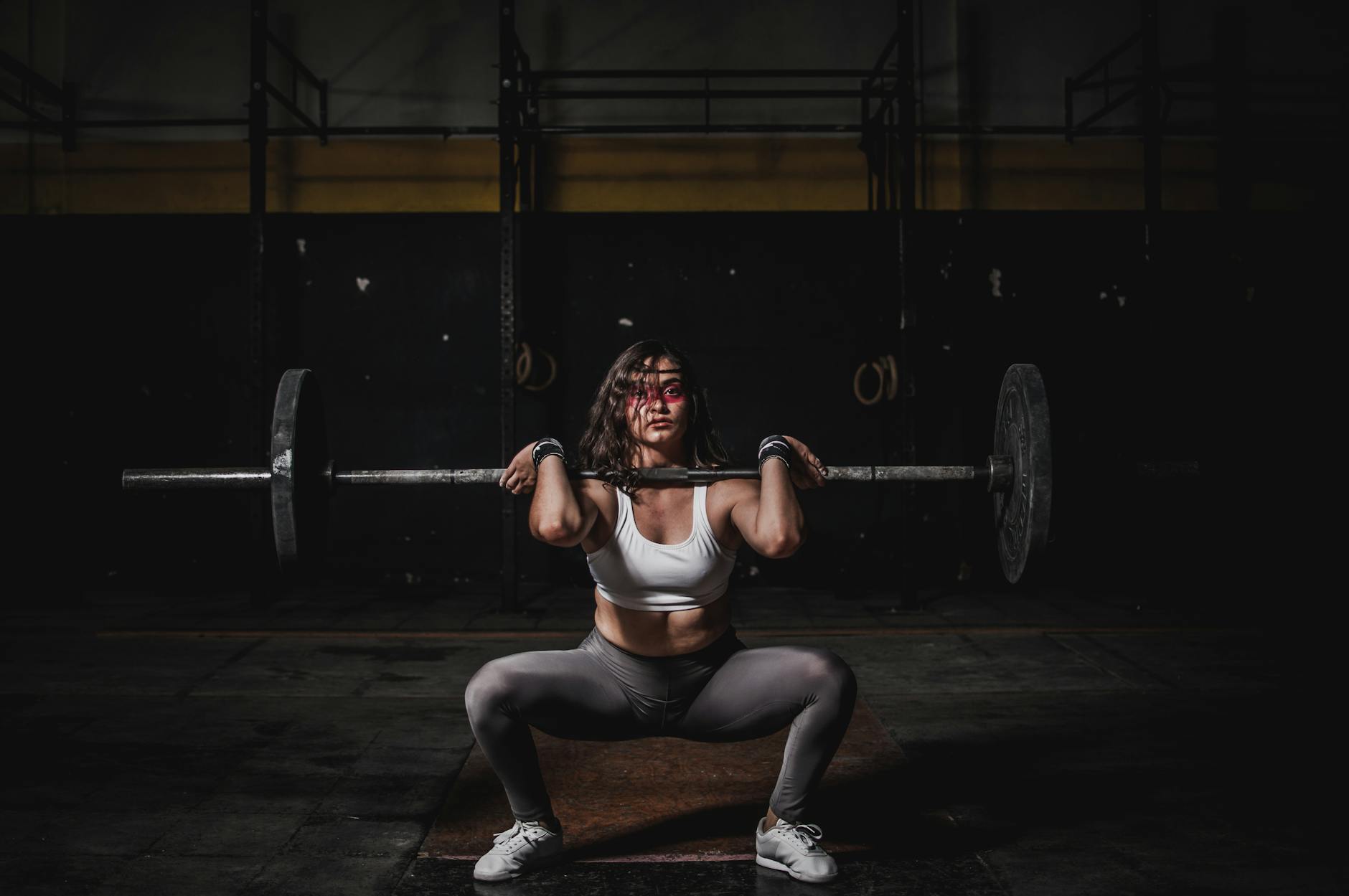
How much weight you should be squatting comes down to three things: your bodyweight, how long you've been training, and your sex — not a number you saw on someone's Instagram. As a rough single-rep benchmark, a male beginner squats around 0.75 times bodyweight and a female beginner around 0.5 times bodyweight, both rising sharply as training age increases. This guide covers the real squat weight standards behind those numbers, how to find your own starting point, how to add weight without stalling or getting hurt, and the equipment that actually lets you keep progressing.
Shop Strength Training Equipment at Flexi Muscles
Squat Weight Standards by Bodyweight
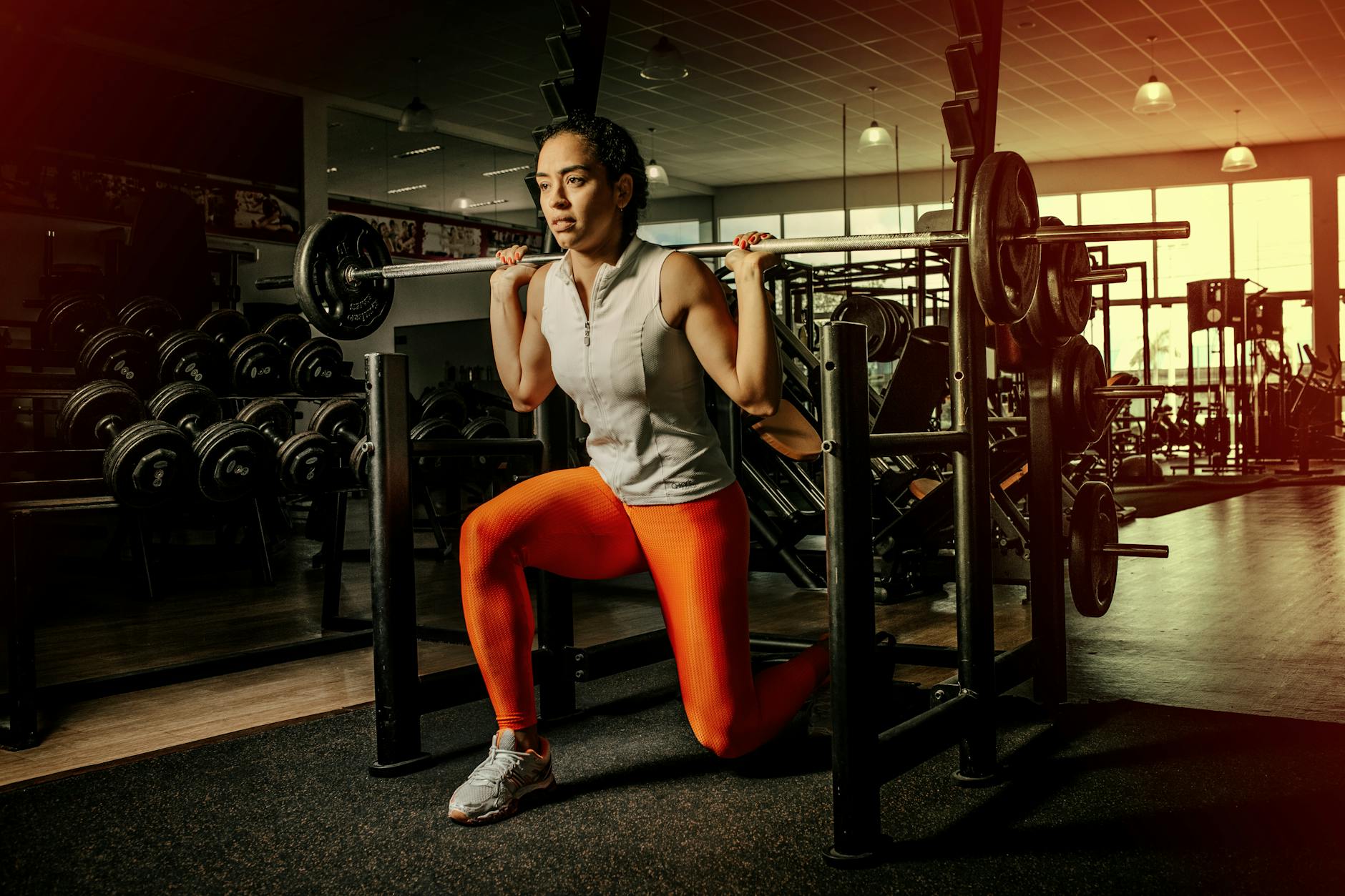
The only standard that means anything is one relative to your own bodyweight. A 55 kg lifter and a 95 kg lifter squatting the same absolute number are not at the same strength level, so every credible standard is expressed as a multiple of bodyweight rather than a fixed kilogram figure.
| Level | Men (single-rep max) | Women (single-rep max) |
|---|---|---|
| Beginner | 0.75× bodyweight | 0.5× bodyweight |
| Intermediate | 1.5× bodyweight | 1.25× bodyweight |
| Elite | 2.25–2.5× bodyweight | 2.0× bodyweight |
Strength Level's database — built from millions of logged lifts — puts the average one-rep max back squat at around 131 kg for men and 76 kg for women, across all training ages combined. That number sits above true beginner territory and below where a consistent intermediate lifter lands, which is exactly why an average is a poor personal target. Your own bodyweight multiple tells you far more than a population-wide figure ever will.
Getting from beginner to intermediate on this table typically takes six to twelve months of consistent training, not six to twelve sessions. If you are three months in and nowhere near the intermediate row, that is the expected pace, not a sign something is wrong.
Factors That Actually Affect Your Squat Weight
The bodyweight ratio above is a starting reference, not a hard rule. A handful of factors push individual results well above or below the standard chart.
Limb length and hip structure. A lifter with a long femur relative to their torso has to travel further and lean forward more to keep the bar over mid-foot. That mechanical disadvantage means two lifters with identical training histories can post genuinely different squat weight numbers with equally good technique.
Training age, not calendar age. Someone who has trained consistently for two years will out-squat someone who has trained on and off for five. Training age — actual accumulated, consistent training time — predicts squat weight far better than how long ago you first walked into a gym.
Squat depth. A quarter squat and a full-depth squat are different movements with different loadable weight. Standards charts assume depth at or below parallel. Someone loading heavier weight through a shorter range of motion is not actually stronger by the standard — they are doing a different exercise.
Sex and body composition. The gap between the men's and women's rows above reflects average differences in muscle mass distribution and lever lengths, not effort or training quality. Comparing your number to the wrong table tells you nothing useful.
Bar position and squat style. A low-bar back squat generally allows more total weight to move than a high-bar or front squat, because the bar sits closer to the hips and shortens the effective lever arm. Which variation you are testing changes the number that comes out.
Finding Your Starting Squat Weight
Start with an empty barbell, or bodyweight alone if a bar is not yet part of your setup. Fifteen to twenty controlled reps to full depth, heels flat, knees tracking over your toes, is the bar you need to clear before load matters at all.
From there, add weight in small increments — 2.5 kg per side is a sensible jump for most beginners — and stop the session the moment your depth, back position, or knee tracking starts to break down under fatigue. The working weight for that session is the last load where every rep looked identical to the first.
Do not use a single-rep test to set your starting point in your first month of training. Testing a true one-rep max requires technique that most beginners have not built yet, and a maximal attempt under fatigue with unfamiliar bar position is exactly the situation where lower back injuries happen. Build working weight over several weeks first, and estimate your one-rep max from a comfortable set of five reps rather than testing it directly.
How to Progress Your Squat Weight Without Stalling

Linear progression — adding a fixed amount of weight every session — works for true beginners for roughly the first two to three months. A common structure is 2.5 kg added per session across three sets of five reps, three sessions a week.
Once that stalls, which it will, switch to weekly increases instead of session-by-session ones. Most intermediate lifters do best adding weight every seven to fourteen days, with a planned deload — a week at 80–90% of your working weight — every four to six weeks to let accumulated fatigue clear before it turns into a missed lift or a nagging strain.
Track every session. Weight, sets, reps, and how the last rep felt. Squat weight progression is slow enough that memory alone will not tell you whether you actually added anything over the last month — a logged number will.
Squat Variations and How the Weight Changes
The same lifter posts very different numbers across squat variations, and comparing across them is a common source of confusion.
Bodyweight squat — the baseline every standard assumes you can already do for reps before adding load.
Goblet squat — a dumbbell or kettlebell held at chest height. Limited by grip and the front-loaded position long before it challenges true leg strength, which makes it a good teaching tool but a poor strength benchmark past moderate weight.
Barbell back squat (high-bar) — the version most standards charts reference. The bar sits across the traps, keeping the torso more upright.
Barbell back squat (low-bar) — the bar sits lower across the rear delts, allowing a more forward torso lean and typically the highest loadable weight of any barbell squat variation.
Front squat — the bar rests across the front of the shoulders. Usually 10–20% lighter than a back squat for the same lifter, because the upright torso position and front-rack demands become the limiting factor before the legs do.
If you are tracking squat weight progression over time, stay on one variation for your comparisons. Switching between a goblet squat and a low-bar back squat and expecting the numbers to relate to each other will only produce confusion about whether you are actually getting stronger.
Equipment You Need to Keep Loading the Bar

Below roughly bodyweight on the bar, a pair of adjustable dumbbells or a heavy kettlebell held goblet-style will take most lifters a long way, and there is no need to rush past this stage.
Past that point, three pieces of equipment become non-negotiable rather than optional:
- An olympic barbell and weight plates — the only practical way to add small, precise increments once dumbbells run out of usable jumps.
- A squat rack with safety bars — lifting a loaded barbell off the floor into position becomes impractical and risky well before you reach an intermediate squat weight. Our squat rack buying guide covers which type suits a home gym at your ceiling height and floor space.
- A lifting belt — not required at beginner weights, but worth adding once your squat weight approaches or passes bodyweight, where trunk stability starts to become the limiting factor before leg strength does.
If you do not yet own a barbell and have no plan to buy one, all of the progression advice above still applies to dumbbells and kettlebells — you will simply reach the point where jumps become too large for further loaded progress sooner than a barbell lifter will.
Common Squat Weight Mistakes
Chasing weight before depth. Adding kilograms to a squat that does not reach parallel is not progress — it is a different, easier exercise that happens to look similar from the side.
Testing a one-rep max too early. A maximal attempt in your first month, before bar path and bracing are automatic, is where most beginner back strains happen. Estimate your max from a comfortable set of five instead.
Adding weight every session past the beginner stage. Linear progression has a shelf life of a few months. Trying to force session-by-session increases after that point leads to missed lifts, form breakdown, and stalled progress that feels like a plateau but is actually a programming mistake.
Comparing your number to the wrong table. Comparing a front squat to someone else's low-bar back squat, or your number to the opposite sex's standards, tells you nothing about your actual progress.
When NOT to Chase a Heavier Squat
You have an untreated knee, hip, or lower back issue. Squatting heavier does not fix pain — it loads whatever is already wrong with more weight. See a physiotherapist first; the squat weight standards above will still be there once you are cleared to train.
Your depth or bar path already breaks down at your current weight. Adding load to a movement pattern that is not yet sound only makes the fault more dangerous, not less. Fix the pattern at a lighter weight before chasing the next kilogram.
Your actual goal is general fitness, not strength. If you are training for health, mobility, or weight management rather than a specific strength number, a moderate, controlled squat weight that lets you train consistently for years beats a maximal number that risks an injury layoff. Consistency produces more long-term result than any single heavy session.
You are training alone at a weight you cannot safely bail from. Once your squat weight is high enough that a missed rep would trap you under the bar, you need safety bars, a spotter, or both before adding another kilogram — not after a close call.
Frequently Asked Questions
How much weight should I be squatting for my bodyweight?
As a rough guide, a male beginner should be able to back squat around 0.75 times bodyweight for a single rep, moving toward 1.5 times bodyweight at an intermediate level. A female beginner sits closer to 0.5 times bodyweight, moving toward 1.25 times bodyweight at intermediate, and up to around 2 times bodyweight at an elite level. These are single-rep max figures with good depth and form, not working set weights.
What is a good squat weight for a beginner?
A good starting target is roughly 0.5 to 0.75 times your bodyweight for a single rep once your form is solid, though your actual working sets should sit well below that figure. Most beginners spend their first few weeks with an empty barbell or light dumbbells learning depth and bar position before adding meaningful load.
How much can the average person squat?
Strength Level's database, drawn from millions of logged lifts, puts the average one-rep max back squat at around 131 kg for men and 76 kg for women. That average includes lifters across all training ages, so it sits above what most true beginners can do and below what a dedicated intermediate lifter reaches after a year of consistent training.
How often should I increase my squat weight?
As a true beginner, most lifters can add 2.5 kg per session for the first several weeks. Once that stalls, move to weekly increases, then to a structured programme with planned deload weeks every four to six weeks. Trying to add weight every single session past the first two months is the most common way lifters stall or hurt their lower back.
Do I need a squat rack to increase my squat weight safely?
Below roughly bodyweight on the bar, a pair of adjustable dumbbells or a goblet squat with a heavy kettlebell will take most lifters a long way. Past that point, safely loading and unloading a barbell from the floor becomes impractical and risky, and a squat rack with safety bars is the correct next purchase, not an optional extra.
Is bodyweight squatting enough before adding a barbell?
Yes, and skipping this step is the most common technical mistake. You should be able to perform 15 to 20 controlled bodyweight squats to full depth, with your heels staying on the floor and your knees tracking over your toes, before adding any external load. Loading a movement pattern that already breaks down under bodyweight only makes the fault more dangerous.
Related at Flexi Muscles
- Squat Rack Buying Guide — how to choose the right rack once your squat weight passes what you can safely load from the floor
- Strength Training Equipment — barbells, weight plates, squat racks and more
- Lifting Accessories — belts, straps and supports for heavier squat weight
- Browse All Flexi Muscles Products