

Recommended dumbbell weight for beginners: Exercise by exercise, week by week

By Flexi Muscles — 13 October 2026 · 6 min read
The recommended dumbbell weight for beginners depends on the exercise. Most beginners start at 1 to 5 kg for lateral raises and curls, 3 to 12 kg for presses and rows, and 6 to 16 kg for squats and deadlifts. The right number for you is the weight you can lift 12 times with clean form, with 2 reps still in reserve.
Shop Dumbbells at Flexi Muscles
The 12-rep test for the recommended dumbbell weight for beginners
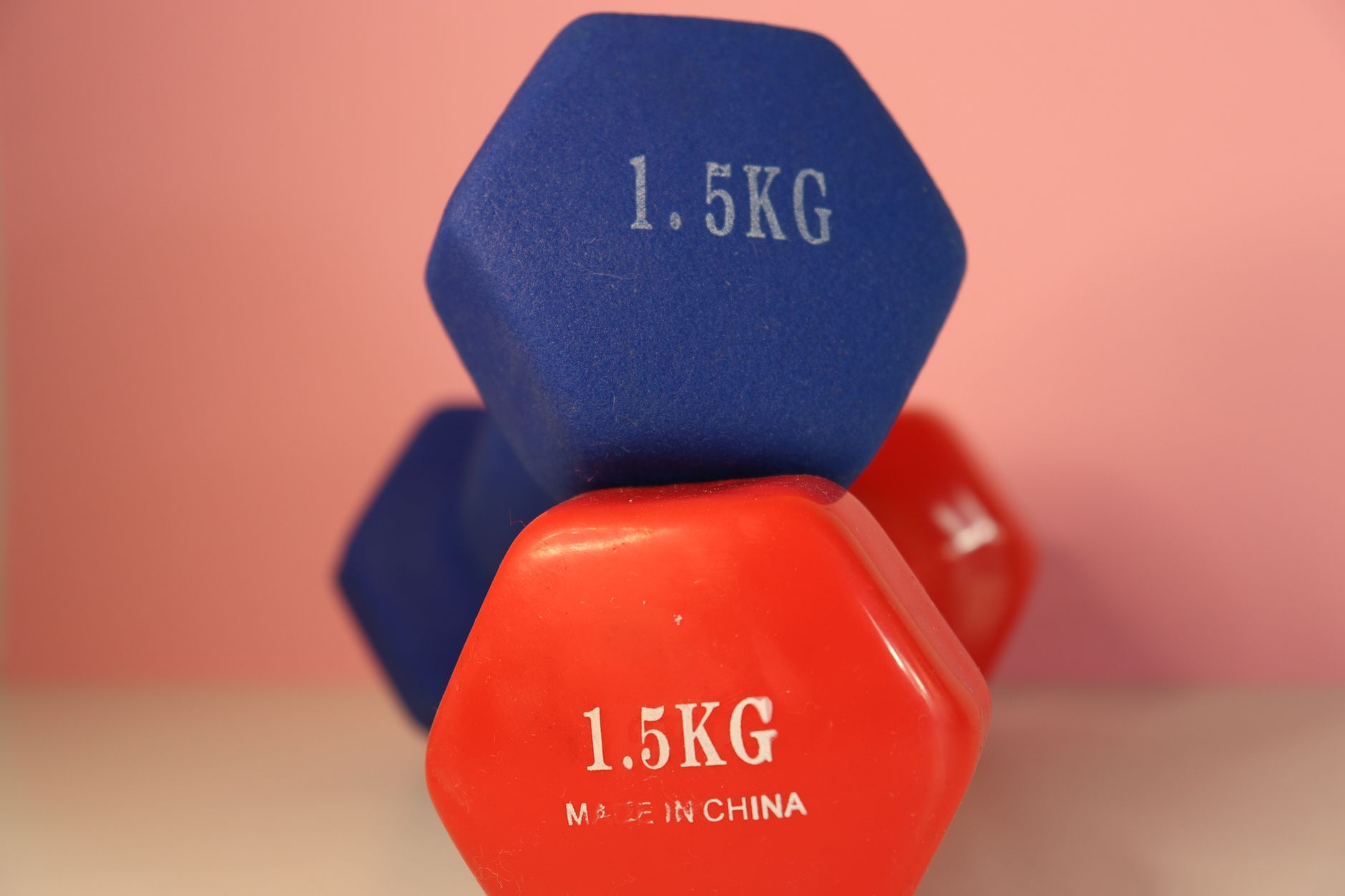
No chart knows your strength. A test does. Pick a light pair and do 12 reps of the exercise.
- You hit 12 and could do 8 more: too light. Go up 1 to 2 kg.
- You hit 12 and could do 2 or 3 more: that is your weight.
- Form broke before rep 10: too heavy. Go down.
Form breaking looks like swinging on curls, shrugging on raises, or your back rounding on deadlifts. If you see it, the set ends there. Run the test on every exercise. You will end up with different numbers, and that is the point.
Suitable dumbbell weight for beginners, by exercise
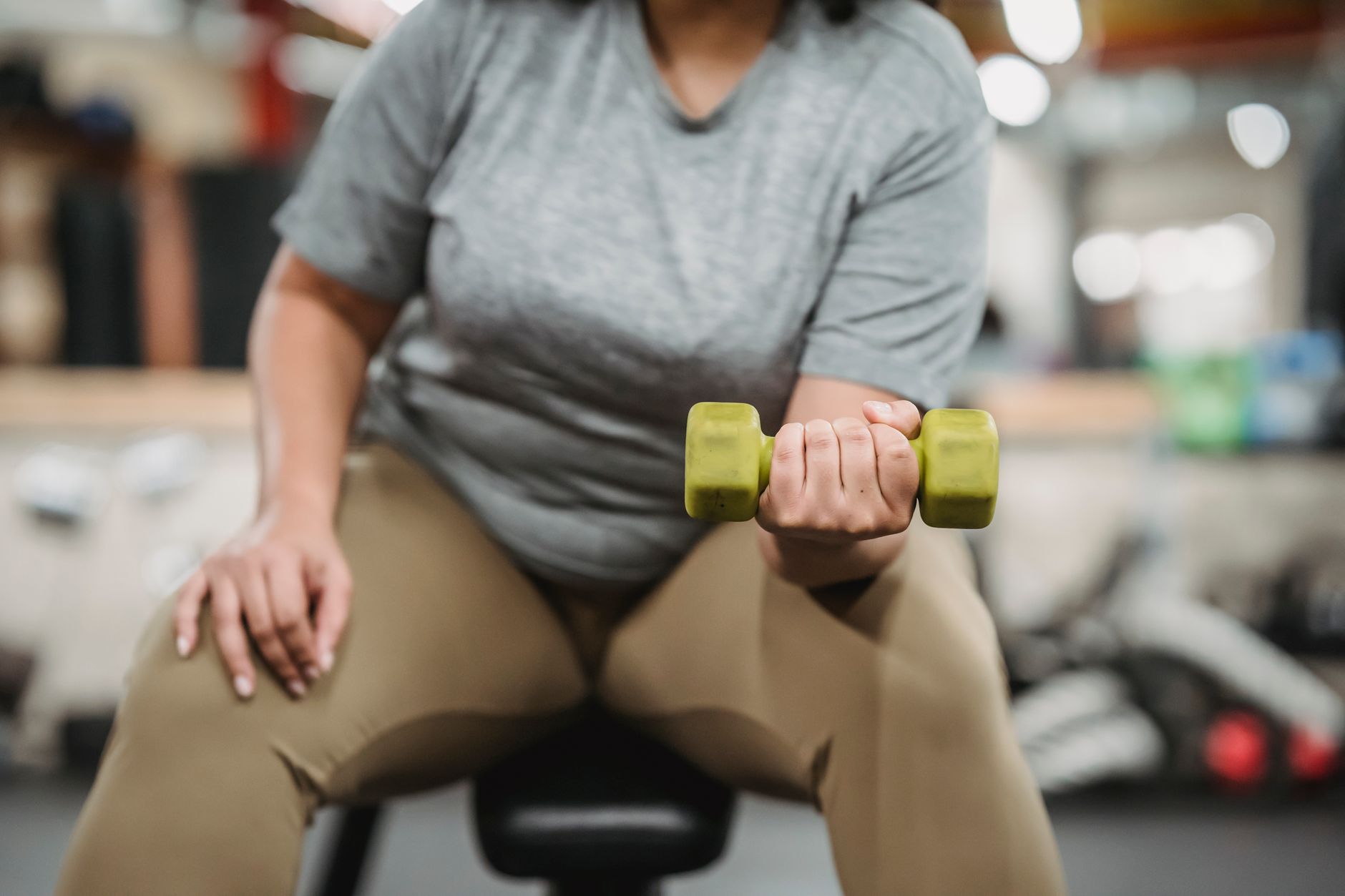
These are starting ranges per dumbbell, for 2 to 3 sets of 10 to 15 reps. Test first, then use the table to check you are in the right area.
| Exercise | Women (per hand) | Men (per hand) |
|---|---|---|
| Lateral raise | 1–3 kg | 2–5 kg |
| Bicep curl | 2–5 kg | 4–8 kg |
| Overhead press | 3–6 kg | 6–10 kg |
| Floor or bench press | 4–8 kg | 8–12 kg |
| Single-arm row | 5–8 kg | 8–12 kg |
| Goblet squat (one dumbbell) | 6–10 kg | 10–16 kg |
| Romanian deadlift | 6–10 kg | 10–16 kg |
Look at the spread. The best weight dumbbell for beginners on goblet squats is 3 to 5 times heavier than on lateral raises. So one opinion we will stand behind: buying a single 5 kg pair is the most common beginner mistake. It is a grind on raises and a warm-up on squats. Two pairs, a light one and a heavy one, cover a full-body session. If you would rather buy once, an adjustable set does the same job. Our guide to dumbbell weight for home workouts compares the two.
What moves your number up or down
Muscle size
Big muscles lift more. Legs, glutes and back handle the heaviest loads. Chest sits in the middle. Shoulders and arms are smallest, so they need the lightest dumbbells.
Training history
If you have played contact sport, done manual work or trained before, start at the top of your range. If you have done no exercise in years, start at the bottom.
Goal
For a beginner, the goal changes the reps more than the weight. Stay in the 10 to 15 rep range for the first month whatever you are training for. Heavy sets of 4 to 6 come later, once your technique is automatic.
Your first 4 weeks: a beginner dumbbell progression plan

Train 3 times a week with a rest day between sessions. Do all 7 exercises from the table. This plan works for dumbbell weights for beginners at home or in a gym.
| Week | Sets × reps | What to do with the weight |
|---|---|---|
| 1 | 2 × 12 | Bottom of your range. Learn the movement. |
| 2 | 3 × 12 | Same weight. Add the third set. |
| 3 | 3 × 12–15 | Add reps. Note which lifts feel easy. |
| 4 | 3 × 10–12 | Go heavier on lifts that passed (see below). |
When to go heavier
A lift passes when you finish every set of 15 with 2 reps left, 2 sessions in a row. Then add 1 to 2 kg on arms and shoulders, or 2 to 4 kg on legs and back. Drop the reps back to 10 and build up again. Squats will move first. Lateral raises may take months. Life has its ups and downs. We call them squats.
When dumbbells are the wrong place to start

Do not buy dumbbells yet if any of these apply:
- You cannot do 10 bodyweight squats with good form. Do 2 weeks of bodyweight work first. It costs nothing.
- You have a recent injury, joint pain or a heart condition. Get cleared by a doctor or physio before you add load.
- You will not train at least twice a week. Dumbbells under the bed build nothing. Start with a habit, then buy.
- You are buying heavy “to grow into”. A 20 kg pair is no use to a beginner for months. Buy what you can use now.
If you are ready, start with our dumbbell range, or browse strength training equipment for a bench to press and row from.
Frequently Asked Questions
Is a 5 kg dumbbell good for a beginner?
For some exercises, yes. A 5 kg pair suits most beginners for bicep curls, overhead presses and, for many women, rows and presses. It is too heavy for most beginners on lateral raises and too light for most on goblet squats and Romanian deadlifts. That is why one pair rarely covers a full workout.
Is 10 kg too heavy for a beginner?
Not for lower body work. Many beginner men start goblet squats and Romanian deadlifts at 10 to 16 kg, and many women reach 10 kg on those lifts within a month. For shoulder and arm exercises, 10 kg is too heavy for nearly every beginner.
What dumbbell weight should a woman beginner start with?
Most women starting out do well with three loads: 1 to 3 kg for lateral raises, 3 to 6 kg for presses and curls, and 6 to 10 kg for squats and deadlifts. Use the 12-rep test on each exercise to confirm the number.
How many reps should a beginner do with dumbbells?
Aim for 10 to 15 reps per set, 2 to 3 sets per exercise. Pick a weight where the last 2 reps of the final set feel hard but your form holds. If you can do 20 or more, go heavier. If you can only do 6, go lighter.
Related at Flexi Muscles
- Dumbbells — fixed and adjustable pairs for home training
- Strength Training Equipment — benches, racks, barbells and plates
- Lifting Accessories — gloves and wrist support for pressing and rowing