

Olympic Weightlifting Straps: How to Use Them for Snatch and Clean Pulls

By Flexi Muscles — 10 July 2026 · 8 min read
Olympic weightlifting straps are short, single-loop straps built for one job: a fast, clean release of the bar. There's no wrapping involved — you slide your hand through a stitched loop and it's on. That single feature is also the whole trade-off: less time securing the bar means less grip security than a wrapped strap under a truly heavy load. They're built for pulls and technique work where a barbell needs to leave your hands quickly, not for grinding out a maximal deadlift, and they aren't permitted on the competition platform.
Shop Weightlifting Straps & Accessories at Flexi Muscles
What Makes Olympic Weightlifting Straps Different
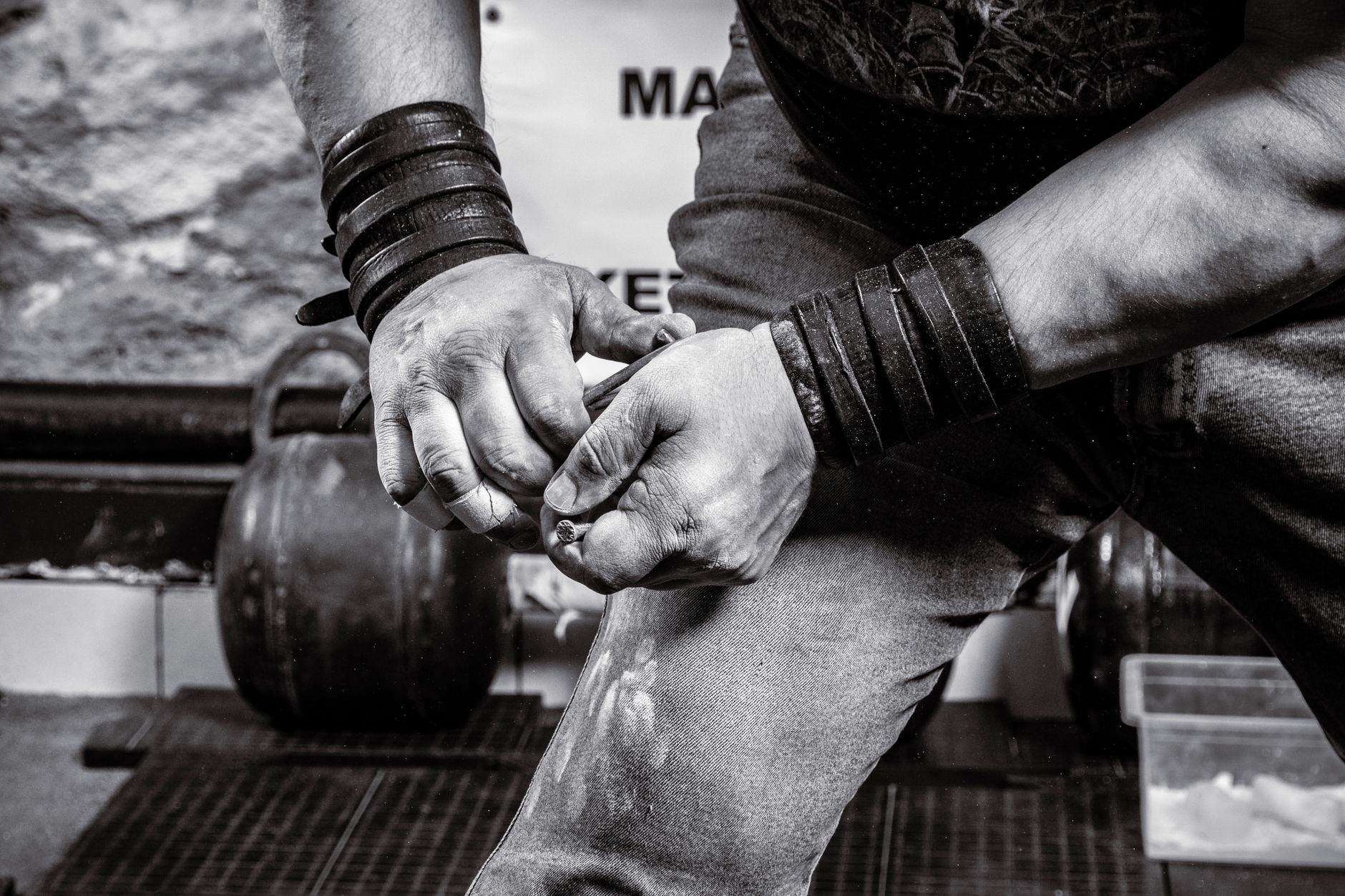
Most lifting straps are a single length of fabric you loop around your wrist and then wrap around the bar by hand, tightening the grip with each wrap. Olympic weightlifting straps skip that step entirely. They're sewn into a fixed, closed loop — you push your hand through from underneath, rotate your wrist once to snug it against the bar, and you're set. Taking them off is just as fast: open your hand and the loop slides free.
That construction exists for a reason that has nothing to do with comfort. Weightlifters moving through snatch-grip pulls, clean pulls, or high-rep technique sets need to get straps on and off between sets quickly, and in some drills they need to release the bar mid-movement without fighting a wrap. A strap that takes ten seconds to tie and untie doesn't work for that kind of session. A strap that can't be shed instantly is a genuine safety problem if a lift goes wrong.
The closed-loop design solves both problems at once, at the cost of the vice-like hold a wrapped strap gives you. For pulling variations built around speed and turnover, that's the right trade. For a straight strength set where all you want is maximum grip for as long as possible, it isn't.
Olympic Straps vs Lasso and Figure-8 Straps

It helps to place Olympic straps next to the other two common types side by side, since all three solve the same underlying problem — grip fatigue — in different ways:
- Lasso straps — a single strip you wrap around the bar two or three times by hand. Strongest adjustable hold of the three, but slowest to put on and take off.
- Figure-8 straps — sewn into a permanent figure-eight that locks your hand to the bar until you physically unhook it. Maximum hold, effectively zero quick release.
- Olympic (closed-loop) straps — a single stitched loop, on and off in one motion. Weakest hold of the three, fastest release by a wide margin.
If your training is built around deadlifts, barbell rows, or shrugs — movements where the bar stays in your hands for the whole rep and you want it to stay there — a lasso or figure-8 strap will serve you better. Our full guide to weight lifting straps covers those two types, how to wrap them, and when your grip strength is better off working without a strap at all. This guide is for the narrower case: pulls and technique work where speed of release matters more than raw holding power.
How to Put On and Release Them
Four steps, and the whole process should take a couple of seconds once it's familiar:
- Push your hand up through the loop from underneath, so the stitched seam sits across the back of your hand near the base of your fingers, not up at your wrist
- Rotate your wrist forward, as though revving a motorcycle throttle, to snug the loop against the bar and take up any slack
- Grip the bar as normal underneath the strap — the loop is there to back up your grip, not replace it entirely
- To release, simply open your hand and let the loop slide off; there's no unwrapping step
Positioning matters more with Olympic straps than with a wrapped strap. If the loop sits too far up your wrist rather than across your hand, it pulls your wrist into extension under load — the opposite of the neutral position you want during a pull. Straps positioned correctly across the hand also release cleaner, since there's nothing pulling against the wrist joint to catch on the way off.
Practise the on-and-off motion with an empty bar before adding weight. Fumbling with a strap mid-set costs more time than the strap saves, and a loop that isn't seated properly is the main reason lifters find Olympic straps less secure than expected on their first few sessions.
When Olympic Lifters Actually Use Them in Training
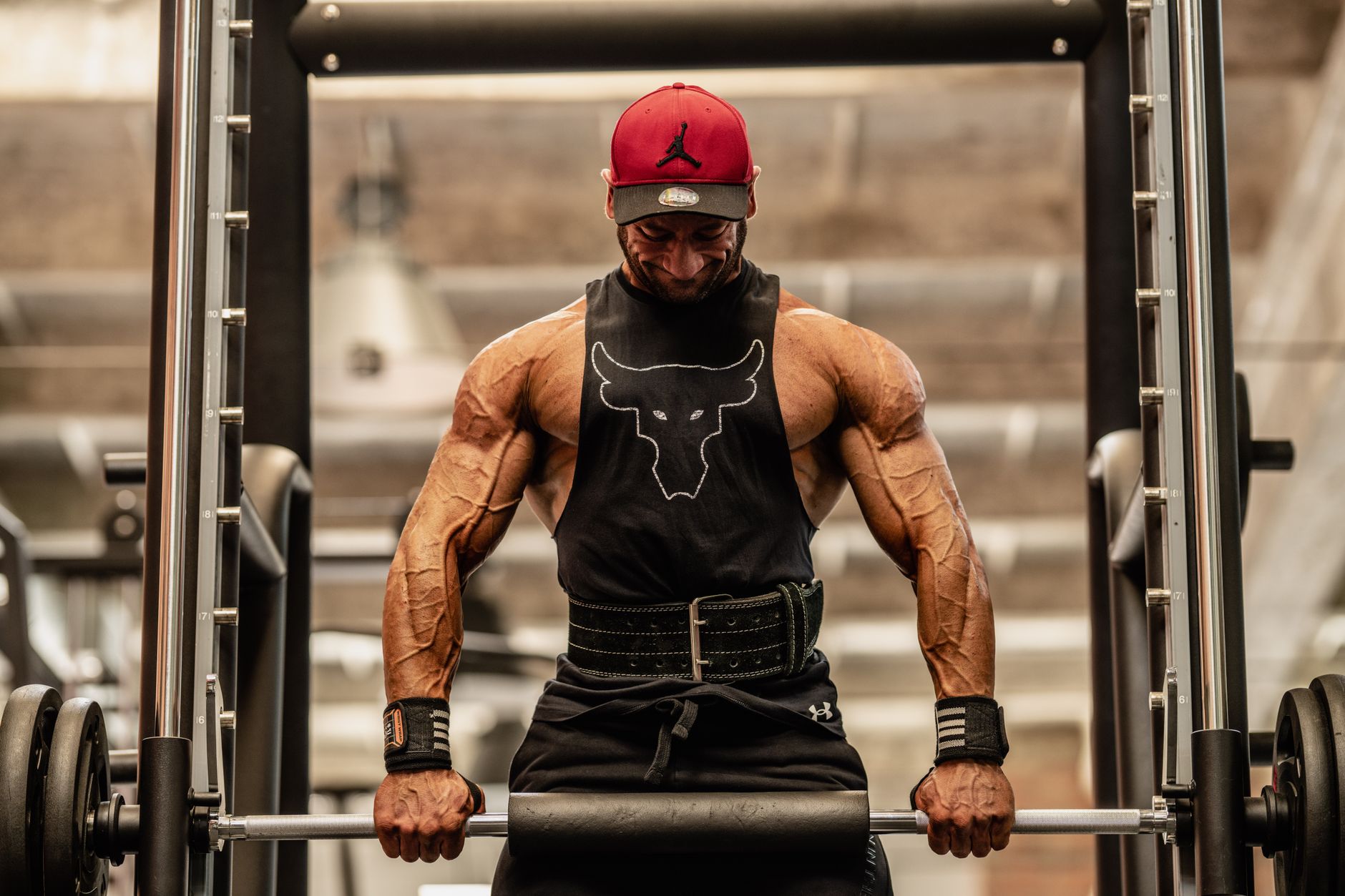
Straps come out for the accessory and pulling work built around the competition lifts, not the lifts themselves:
- Snatch-grip deadlifts — the wide grip and long range of motion put extra strain on the hands, and straps let a lifter keep the bar path and back position correct without grip becoming the limiting factor
- Clean pulls and snatch pulls — heavier than the competition lifts themselves, these are done specifically to overload the pull, so grip fatigue cutting a set short defeats the point of the exercise
- High-rep technique sessions — when the goal is repeating a movement pattern rather than testing grip endurance, straps keep volume high without forearms becoming the bottleneck
What straps don't touch is the snatch or the clean and jerk themselves. Both lifts finish with the bar overhead or racked on the shoulders, and both require the lifter to be able to bail out of a failed rep instantly by opening the hands. A strap, even a fast-release one, is one more thing standing between a lifter and letting go of a bar that's about to land on them.
Are They Allowed in Competition?
No. Grip aids of any kind — straps included — are restricted under IWF technical rules for the snatch and clean and jerk. On the platform, lifters rely on hook grip and chalk only. Straps are strictly a training tool for the pulling variations covered above, not something that carries over to competition day.
This is worth knowing before you build a training habit around them. If your programme leans heavily on strapped pulls in the months before a meet, make sure you're also doing unstrapped hook-grip work regularly, so competition day isn't the first time your grip has had to hold a heavy bar unassisted.
Buying Guide — and When to Buy Something Else

What to look for in a heavy duty pair of Olympic weightlifting straps:
- A single stitched closed loop — not a strap you have to tie yourself; the fixed loop is what makes the quick release work at all
- Nylon webbing — holds its shape under repeated loading and doesn't stretch out the way cotton does after a few months of regular use
- Reinforced stitching at the seam — the seam takes the full load of the pull every rep, so it's the first place a cheaply made strap fails
- Padded wrist support — a strip of padding where the loop crosses the hand reduces the pinch you'll otherwise feel under a heavy clean pull
Don't buy Olympic straps if snatch-grip pulls, clean pulls, and technique work aren't a regular part of your training. If you're mainly deadlifting, rowing, or shrugging for strength or size, a wrapped lasso or figure-8 strap will hold heavier loads for longer, and the quick-release feature you'd be paying for goes unused. Buy the tool that matches the movement, not the one with the most interesting name.
Browse weightlifting straps and lifting accessories at Flexi Muscles, or see the wider strength training range if you're building out a full pulling and lifting setup.
Frequently Asked Questions
Can you use Olympic weightlifting straps for deadlifts?
You can, but a wrapped lasso or figure-8 strap will hold more weight for longer. Olympic straps trade grip security for a fast release, which is the wrong trade-off for a max-effort conventional deadlift where you want maximum hold and don't need to let go quickly. Reserve Olympic straps for pulls and technique work where release speed matters; use a wrapped strap for straight deadlift strength work.
Are Olympic weightlifting straps allowed in weightlifting competition?
No. Any form of hand or wrist strapping that assists grip is restricted under IWF technical rules for the snatch and clean and jerk. Lifters use straps in training for pulls and technique reps, then compete without them, relying on hook grip and chalk instead.
What's the difference between Olympic straps and figure-8 straps?
Figure-8 straps lock your hand to the bar with a double loop, so the bar cannot separate from your hand until you physically unhook it. Olympic straps use a single closed loop that slides off in one motion. Figure-8 straps hold more weight; Olympic straps let go faster. Pick based on whether the set you're doing needs maximum hold or a fast bail-out option.
Do Olympic weightlifters actually train with straps?
Yes, but selectively. Straps show up in snatch-grip deadlifts, clean pulls, snatch pulls, and high-volume technique sessions where grip fatigue would otherwise cut a set short before the intended muscles or movement pattern have been trained. They come off for the competition lifts themselves, where hook grip and chalk are the only permitted aids.
What length and material should Olympic weightlifting straps be?
Look for a stitched, single closed loop rather than a strap you tie or wrap yourself — that's what makes the quick release work. Nylon webbing is the standard choice because it holds its shape under load and doesn't stretch out after a few sessions the way cotton does. Cotton is softer on the skin for lighter technique work but wears through faster.
Should a beginner buy Olympic weightlifting straps?
Only if you're specifically training the snatch and clean and jerk. If your programme is general strength work — deadlifts, rows, shrugs — a standard wrapped lifting strap holds more weight and is the better first purchase. Olympic straps solve a problem that only shows up once you're doing pulls and technique variations with a barbell moving fast through your hands.