

Wrist Weights: Benefits, Safe Use, and When to Skip Them

By Flexi Muscles — 4 September 2026 · 7 min read
Weighted wrist weights strap around each wrist to add light resistance to arm movements during walking, bodyweight training, or Pilates-style workouts. Used at 0.5 to 1 kg per wrist a few times a week, they raise your heart rate slightly and give the arms and shoulders more to work against without needing to hold a dumbbell. Used too heavy, too often, or during fast swinging movements, they are one of the more reliable ways to develop tendonitis in the wrist and elbow.
Shop Fitness Accessories at Flexi Muscles
Wrist weights vs ankle weights vs holding dumbbells

| Wrist weights | Ankle weights | Holding a dumbbell | |
|---|---|---|---|
| Loads | Arms and shoulders | Legs and hips | Arms and shoulders |
| Hands-free | Yes | Yes | No |
| Good for walking | Yes, at light loads | Not recommended | Impractical |
| Injury risk at high load or speed | Wrist and elbow tendonitis | Knee and hip strain | Lower — you set the load down when fatigued |
An ankle and wrist weight set covers two different training goals, not one. Ankle weights and wrist weights are not interchangeable — they load completely different parts of the body. Ankle weights during walking are generally discouraged because they alter your natural gait and stress the knees; wrist weights carry a different risk profile centred on the wrist and elbow instead.
Benefits of wrist weights

At 1 to 3 lb per wrist, wrist weights during walking can increase calorie expenditure by roughly 5 to 15% and raise heart rate by around 5 to 10 beats per minute compared to walking unweighted, according to research cited by the American Council on Exercise. That is a meaningful bump for something that adds no bulk and requires no extra equipment beyond the weights themselves.
For arm-focused bodyweight and Pilates-style training, wrist weights add resistance to movements like lateral raises, front raises, and shoulder rows without needing to grip anything, which matters for anyone with reduced grip strength or hand mobility issues. They also give your core more to stabilise against during standing arm movements, since the extra mass at the end of your arm changes your balance demands slightly.
Best exercises and activities with wrist weights
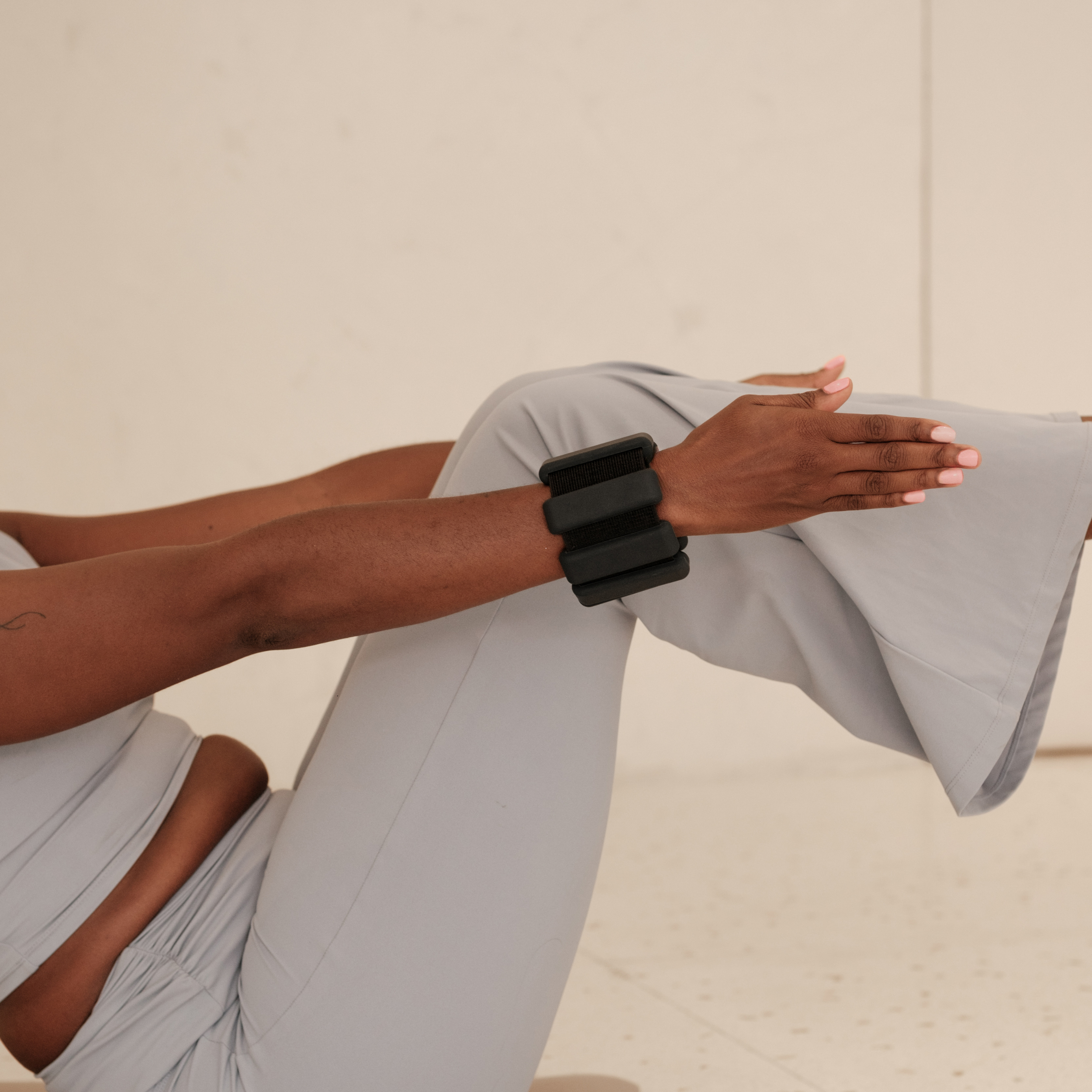
- Walking — the most common use. Keep arms swinging naturally at a normal walking pace rather than pumping them hard.
- Bicep curls and lateral raises — slow, controlled arm isolation movements suit the light load wrist weights provide.
- Shoulder rows and front raises — standing arm work that benefits from resistance without needing a dumbbell in hand.
- Pilates and barre-style flows — wrist weights add resistance to slow, controlled arm sequences common in these formats.
- Rehabilitation exercises — under professional guidance, wrist weights let someone with limited grip strength still load an arm or shoulder movement.
Avoid fast, ballistic movements — boxing-style punches, fast arm swinging, or sprinting with wrist weights on. Those are exactly the movements most linked to the tendonitis risk covered next.
Why wrist weights cause tendonitis
Wrist weights sit at the far end of your arm, which means every swing amplifies the force travelling through your wrist and elbow tendons compared to holding the same weight closer to your body. Repeated fast or high-volume arm movement with that extra distal load is the specific combination linked to tendonitis cases reported among regular wrist weight users.
The risk scales with three factors: how heavy the weights are, how often you wear them, and how fast or repetitive the arm movement is. Keeping weight at 1 to 3 lb (roughly 0.5 to 1.4 kg) per wrist, limiting sessions to two or three times a week, and avoiding fast swinging motions addresses all three factors at once.
If you notice wrist or elbow discomfort that persists after a session rather than fading within a day, stop using the weights and let the joint recover before trying a lighter load.
How to choose wrist weights
Adjustable vs fixed weight
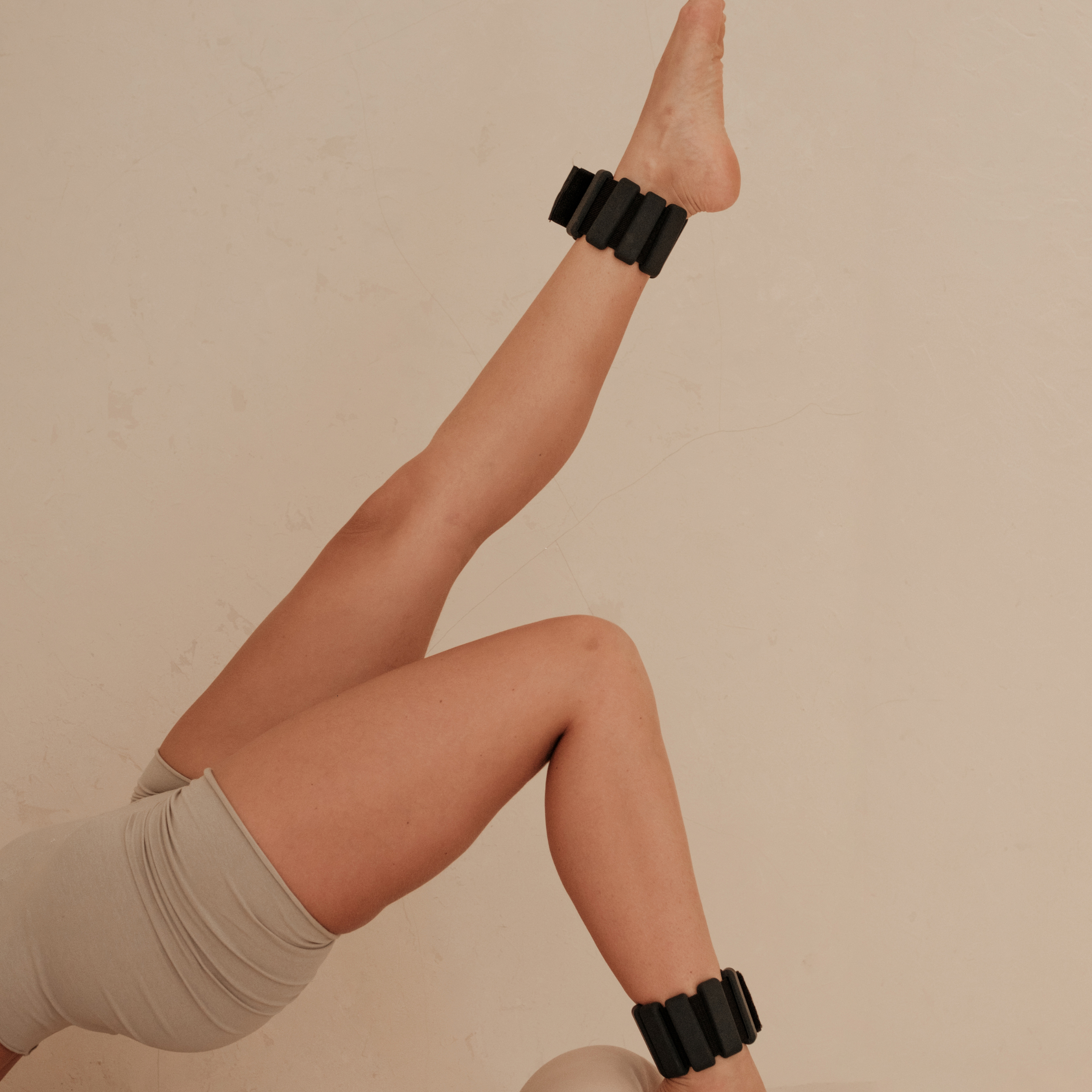
Adjustable wrist weights let you add or remove small weighted inserts, which is useful for progressing gradually from 0.5 kg upward. Fixed-weight bands are simpler and usually cheaper but lock you into one weight per pair.
Strap and closure
A wide, padded strap with a secure Velcro closure stays in place better during arm movement than a narrow band, which tends to slide and bunch.
Sets sold with ankle weights
Many ankle weights wrist weights sets are sold as matched pairs, since the strap design is often similar across both. Buying a set that includes both gives you the option to use them separately depending on the exercise, though the two are not a substitute for each other given how differently they load the body.
When NOT to use wrist weights
Straight up: wrist weights are not right for every situation.
You have arthritis or an existing wrist or elbow injury
Added distal load on a joint that is already inflamed or unstable makes the underlying problem worse. Get clearance from a doctor or physiotherapist before adding wrist weights to any rehabilitation or training plan.
Your training involves fast or ballistic arm movement
Boxing drills, fast arm pumping while running, or any high-speed swinging motion is the exact combination that causes overuse injuries with wrist weights. Save the weights for slow, controlled movements instead.
You are chasing a bigger calorie burn than they can realistically provide
The calorie and heart rate increase from wrist weights during walking is modest. If significant weight loss is the goal, a longer walk, a faster pace, or added resistance training will do more than strapping light weights to your wrists.
Frequently Asked Questions
Are wrist weights safe?
At 1 to 3 lb (0.5 to 1.4 kg) per wrist, used a few times a week rather than daily, wrist weights are generally safe for most people. The risk rises with heavier loads, daily use, and fast repetitive arm swinging, which is the combination most associated with tendonitis and shoulder strain.
How heavy should wrist weights be?
Start at 0.5 to 1 kg per wrist. That is enough to raise your heart rate and add noticeable resistance to arm movements without overloading the wrist and elbow tendons. Anything heavier is better handled as a light dumbbell instead of a strapped-on weight.
Can wrist weights help you lose weight?
They contribute a small increase in calorie burn during activities like walking, since your arms are moving more mass than usual, but the effect is modest. Wrist weights work better as an add-on to an existing training or walking routine than as a weight loss method on their own.
Are wrist weights better than ankle weights?
Neither is better outright, they load different parts of the body. Wrist weights add resistance to arm and shoulder movements, while ankle weights add resistance to leg movements like marching or straight-leg raises. Some routines use both together, one on each limb pairing, depending on which muscles the exercise targets.
How often should I wear wrist weights?
Two to three times a week is the range most commonly recommended, with rest days between sessions. Wearing them daily, particularly during fast or repetitive arm movement, raises the risk of overuse injury without adding proportional benefit.
When should I not use wrist weights?
Skip wrist weights if you have arthritis, tendonitis, or a wrist or elbow injury, unless a doctor or physiotherapist has specifically cleared their use. Also avoid them for fast, swinging movements like power walking or boxing drills, where the combination of speed and distal load is exactly what causes overuse injuries in the first place.
Related at Flexi Muscles
- Fitness Accessories — wrist and ankle weights, straps, and support gear
- Resistance Bands — a lower-impact alternative for arm and shoulder resistance work
- Strength Training Equipment — dumbbells for progressing beyond wrist weight resistance levels
- All Products — the full Flexi Muscles range