

Workout training gloves: types, materials, and how to choose the right pair
By Flexi Muscles — 21 September 2026 · 11 min read
Workout training gloves protect your palms from friction and calluses and improve grip security once your hands start to sweat. They do not make you stronger, and they slightly dull bar feel — which is why some experienced lifters skip them entirely. The right choice depends on what you train: half-finger leather gloves suit barbell work, mesh or lycra suits HIIT and spin, and a wrist-wrap style suits anyone whose wrists give out before their hands do.
Shop Training Gloves & Accessories at Flexi Muscles
What Are Workout Training Gloves?
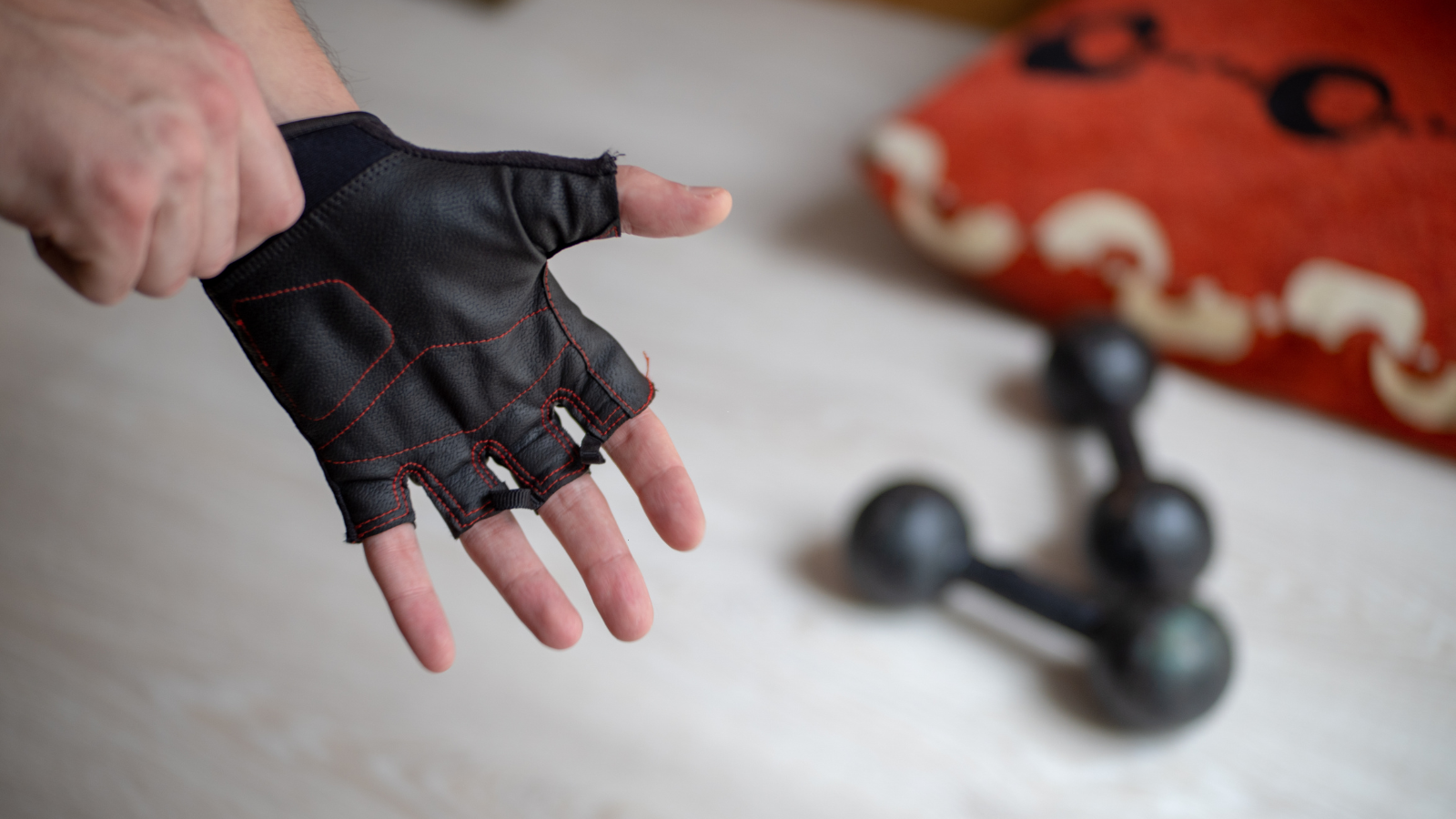
Workout training gloves sit between your hand and whatever you are gripping — a barbell, a dumbbell, a pull-up bar, a kettlebell handle. Most cover the palm and the base of the fingers, leaving the fingertips free so you keep some feel for the equipment underneath.
They do three jobs. First, palm protection: less direct friction between skin and knurled steel means slower callus build-up and fewer torn hands after a heavy pulling session. Second, grip when hands sweat: bare skin on a metal bar gets slippery fast once you are a few sets in, and textured leather or neoprene holds traction without needing chalk between every set. Third, wrist stabilisation, on models with a built-in wrap that limits how far the wrist bends backward during pressing movements.
What they do not do is make your grip stronger. That comes from direct, repeated contact between your fingers and the bar — and a padded glove is, by design, a buffer against exactly that contact.
Do You Actually Need Them?
Not always, and this is worth saying plainly before you spend on a pair. If you train two or three times a week at moderate volume, bare hands are usually fine. You will develop some callus, which is normal and not a problem to solve. Gloves become genuinely useful once your training volume goes up — daily sessions, high-rep pulling work, or hands that blister easily regardless of how often you train.
Calloused palms are a badge of honour in some gym circles, and gloves are the fastest way to lose that particular flex. If that trade-off does not bother you, skip straight to the sizing section and buy a pair. If it does, keep training bare-handed until your hands actually give you a reason to change.
Types of Training Gloves by Workout

The right glove depends far more on what you train than on brand or price. A deadlifter and a spin-class regular need almost opposite things from a glove.
Weightlifting and general strength training
Half-finger leather or synthetic-leather gloves with light to medium padding. You want palm protection without losing the ability to feel how the bar sits in your hand during rows, pull-ups, and dumbbell work.
CrossFit and HIIT
Lighter, more breathable gloves — mesh or lycra panels with minimal padding — that can handle mixed movements: kettlebell swings, box jumps, burpees, and barbell work in the same session. Bulky padding gets in the way when the exercise changes every thirty seconds.
Cycling and spin
Gel-cushioned padding across the palm, positioned to absorb sustained pressure against handlebars rather than the brief grip demands of a barbell. Ventilation matters more here than almost anywhere else, since spin sessions run hot and long.
General fitness and circuit training
A balanced, medium-padding half-finger glove that does not specialise in any one direction. This is the right starting point if your training mixes cardio, light weights, and bodyweight work rather than following one dedicated discipline.
Full-Finger, Half-Finger, or Wrist-Wrap?
Three structural styles cover almost every workout glove on the market.
Half-finger (fingerless)
The most common style and the right default for most people. Covers the palm and the base of each finger, leaves the fingertips exposed. You keep tactile contact with the bar while your palm stays protected — the best balance for barbell and dumbbell training.
Full-finger
Covers the entire hand, including the fingertips. Better suited to outdoor training, rope climbs, or cold-weather sessions where knuckle coverage matters more than bar feel. Less practical for lifting, where losing tactile contact with the bar makes technique harder to judge.
Wrist-wrap gloves
A half-finger glove with a velcro strap that extends around the wrist, limiting backward extension under load. Workout gloves with wrist support are worth the extra cost if pressing movements — bench press, overhead press, push-heavy circuit work — are where your joints complain first. Built-in wraps are shorter and less rigid than standalone wrist wraps. For moderate loads, that is enough. For serious powerlifting-level pressing, most lifters add dedicated wraps on top rather than relying on the glove alone.
Materials Compared: Leather, Neoprene, Mesh
Material determines how a glove performs under sweat, heat, and repeated heavy loading.
| Material | Durability | Breathability | Best for |
|---|---|---|---|
| Leather | Highest | Low | Heavy, frequent lifting |
| Neoprene | Medium | Medium | Sweaty, high-volume sessions |
| Mesh / lycra | Lowest | Highest | HIIT, spin, warm-weather training |
Leather wins on longevity and grip under heavy, repeated loading — it is the standard choice for anyone lifting several times a week. Neoprene resists sweat and adds light cushioning without the bulk of thicker padding, a reasonable middle ground for general training. Mesh and lycra panels breathe best and suit anything where heart rate and hand temperature climb fast, but they wear out sooner under barbell friction.
If you split your training across disciplines, owning two pairs — a durable leather glove for lifting days and a breathable mesh pair for conditioning days — outlasts trying to find one glove that does both jobs well.
How to Get the Right Size and Fit
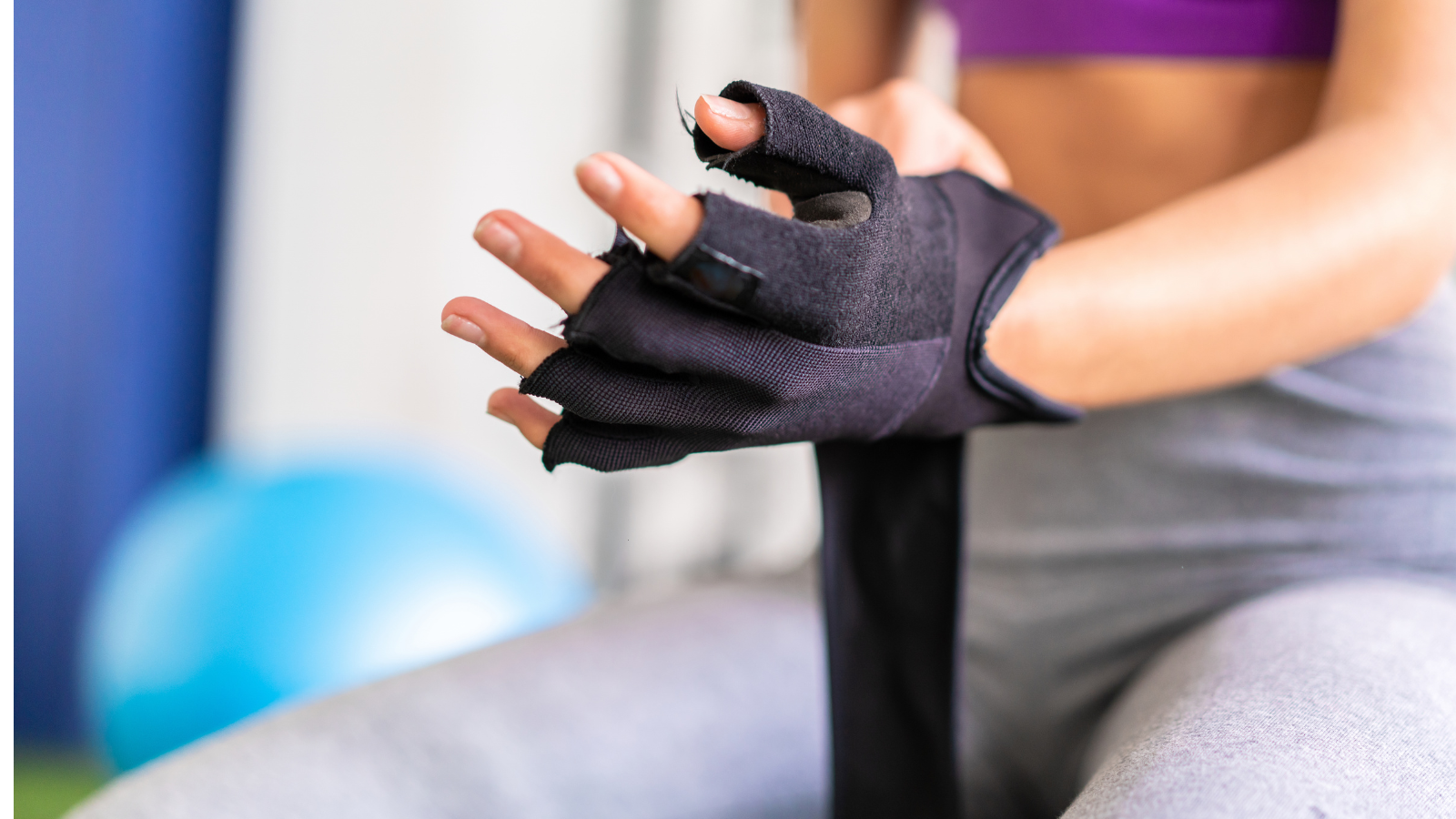
Measure around your palm, just below the knuckles, excluding the thumb. Use that measurement in centimetres against the specific brand's size chart — glove sizing is not standardised across manufacturers, so a medium in one brand can fit like a small in another.
A properly fitted glove feels snug across the palm with no loose material bunching up when you close your grip. Too loose, and the glove shifts under load, creating friction inside the glove instead of preventing it. Too tight, and blood flow to your fingers becomes restricted during longer sets, which numbs your grip faster than no glove at all.
Best workout gloves for men and best workout gloves for women searches usually turn up the same products in different size ranges and colourways — fit is about hand measurement, not gender. Measure your own hand and buy to that number rather than assuming a "men's" or "women's" label guarantees the right fit.
How to Care for Your Training Gloves
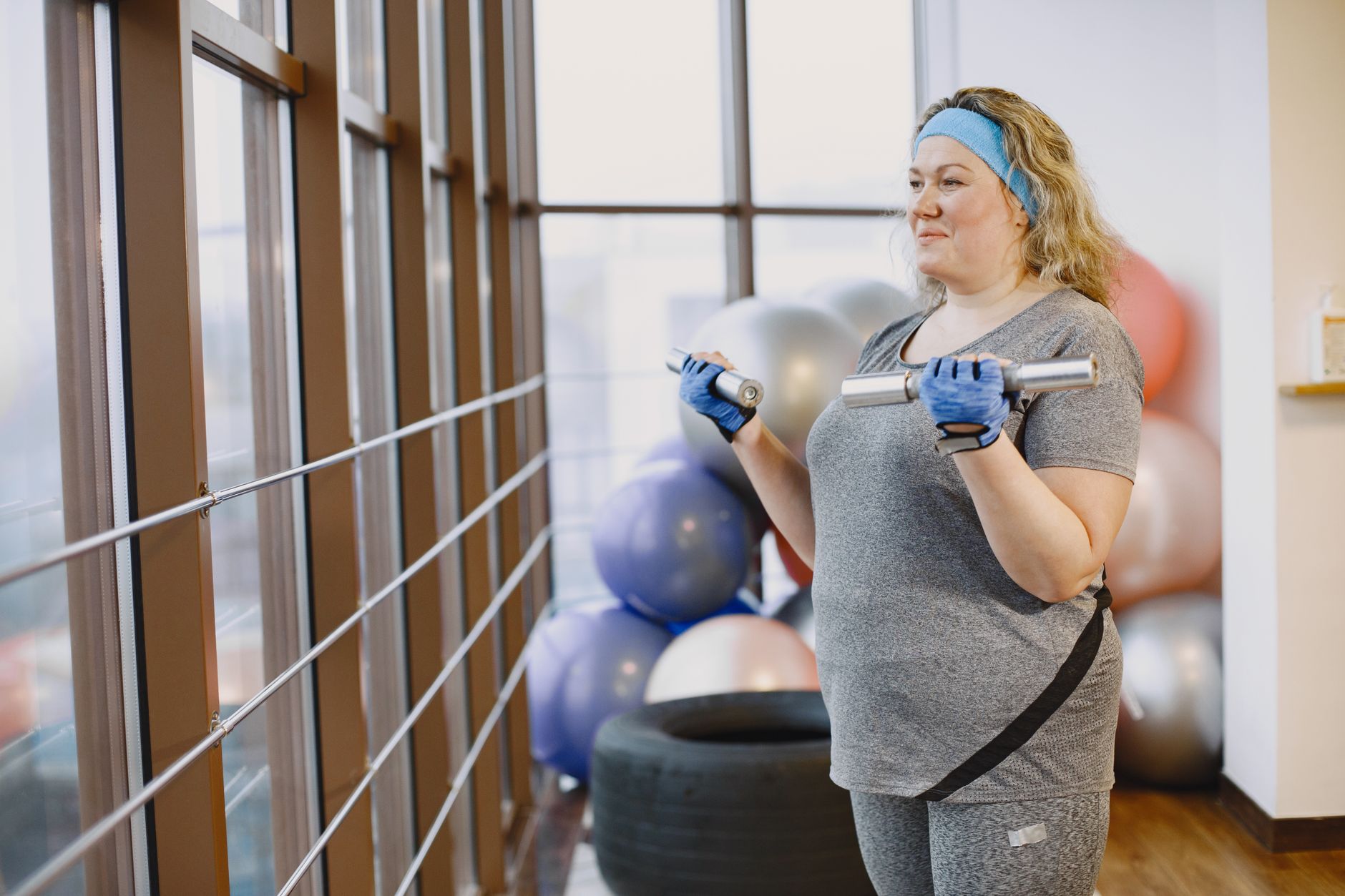
Most people replace gloves earlier than necessary, or far later than they should, because there is no obvious maintenance routine attached to them.
- Air them out after every session rather than leaving them in a closed gym bag — damp material breaks down faster and starts to smell
- Hand-wash leather and synthetic-leather gloves with a damp cloth; machine-washing dries out and cracks the palm material
- Mesh and neoprene gloves can usually go in a mesh laundry bag on a cold, gentle cycle — check the manufacturer's label first
- Let gloves air-dry away from direct heat; a radiator or tumble dryer shrinks and stiffens the padding
- Rotate two pairs if you train most days — letting each pair dry fully between sessions roughly doubles the working life of both
Replace gloves once the palm material has gone smooth and slick, the stitching separates, or you can feel the padding has compressed flat under the heel of your hand. At that point they are no longer doing the job you bought them for.
Who Should Skip Workout Gloves
A glove is not the right call for everyone in every situation. Skip them if:
- Grip strength is a training goal — if you are working on dead hangs, farmer's carries, or grip-limited pulling, gloves reduce the exact stimulus you are trying to build. Train bare-handed and use chalk instead.
- You train low volume — two or three sessions a week at moderate loads rarely causes enough friction damage to justify the cost or the reduced bar feel.
- Precision movements matter — Olympic lifts, technical barbell work, and anything requiring fine bar feedback are harder to execute well with a padded layer between your hand and the bar.
- You already have calluses under control — a pumice stone and consistent training manage most callus issues without needing a glove at all.
If none of those apply — high training volume, sweaty hands, or wrist discomfort during pressing — a well-fitted pair earns its place in your kit.
See the full range of gloves and lifting accessories at Flexi Muscles, or check the strength training equipment range if you are building out a home gym from scratch.
Frequently Asked Questions
Do you actually need gloves for weightlifting?
Not always. Gloves reduce friction and protect against calluses and tears, which matters most for high-volume pulling and pressing work. If you train a few times a week at moderate volume, bare hands are usually fine and let you feel the bar better. If you train daily or your hands blister easily, gloves solve a real problem.
Are full-finger or half-finger workout gloves better?
Half-finger gloves suit most lifting and general training because they protect the palm while keeping fingertip contact with the bar. Full-finger gloves suit outdoor training, rope work, and cooler conditions where knuckle and finger coverage matters more than bar feel.
What is the best material for workout gloves — leather, neoprene, or mesh?
Leather holds up best under heavy, repeated loading and lasts the longest. Neoprene resists sweat and adds light cushioning. Mesh and lycra breathe better and suit high-intensity, high-heart-rate sessions such as HIIT or spin. Choose based on your dominant training style, not general fitness fashion.
Do workout gloves with wrist wraps actually help?
Yes, for pressing movements. A built-in wrist wrap limits how far the wrist can bend backward under load, which helps during bench press and overhead work. Integrated wraps are lighter than standalone wrist wraps, so heavy powerlifters usually still add dedicated wraps for maximum support.
How do you know what size workout gloves to buy?
Measure around your palm, just below the knuckles, excluding the thumb. Match that measurement in centimetres to the brand's size chart rather than guessing from shoe or clothing size, since glove sizing is not standardised across brands. A glove should feel snug across the palm with no loose material bunching in your grip.
How often should you replace workout gloves?
Most gloves used three to five times a week last six to twelve months before the padding compresses and the palm material thins out. Replace them sooner if the stitching separates, the palm develops holes, or the grip surface has gone smooth and slick.
Do workout gloves reduce grip strength over time?
They can, if worn for every session. Grip strength develops through direct, sustained contact between your fingers and the bar. Gloves add a buffer that reduces that stimulus. Many experienced lifters use gloves only on high-volume days and train grip bare-handed the rest of the week.