

Weight Tree for Bumper Plates: The Complete Buying Guide
By Flexi Muscles — 20 September 2026 · 13 min read
A weight tree for bumper plates is a vertical storage post with horns or pegs that hold Olympic plates off the floor, usually with barbell slots built into the base. It solves two problems at once: plates stop taking up open floor space, and each size becomes easy to find without digging through a pile. Buy one once a plate collection passes about six plates. Below that, a tree is an unnecessary purchase and floor stacking works fine.
Shop Weight Plates & Strength Equipment at Flexi Muscles
What a weight tree for bumper plates actually does

A plate collection grows faster than most people plan for. A single Olympic bar and a pair of 20kg plates is a manageable pile on the floor. Add a second pair, a set of change plates, and a few odd sizes for accessory lifts, and that same pile turns into something you have to step around and dig through mid-session. A weight tree solves that with a single vertical post: horns branch off it at intervals, each one sized to hold a plate's 50mm centre hole, with slots built into the base for one or more barbells.
The appeal isn't just tidiness. Plates stored horns-up are visible and separated by size, so grabbing the right pair takes a glance instead of a search through a stack. That matters more during a working set than it sounds like it should — fumbling for the next plate while holding a rest-period pace is a genuine training interruption, not just an inconvenience.
A weight tree also protects the plates themselves. Bumper plates left in a floor pile pick up scuffs and grit between the rubber surfaces, and cast iron plates left in contact with a damp garage floor corrode faster than plates stored upright and off the ground. Vertical storage keeps plates separated and out of standing moisture, which extends how long they look and perform like new.
Weight tree vs. other bumper plate storage
A weight tree is one of several ways to get plates off the floor, and it isn't automatically the right one for every setup. Three alternatives come up constantly in home gym storage:
- Rack-mounted plate pegs. These bolt onto an existing squat rack's uprights and use space that's otherwise empty. They're the cheapest option if a rack is already in place, but they only work if the rack has the mounting points and clearance for them.
- Wall-mounted plate storage. Horns or pegs fixed directly to a wall use no floor space at all, which suits a small garage gym. The trade-off is a permanent installation into a stud or masonry wall, which isn't reversible the way a freestanding tree is.
- A-frame plate racks. Wider and lower than a tree, these hold more total weight and sit more stably, but they take up considerably more floor footprint in exchange for that stability.
A freestanding weight tree sits between these options: less floor space than an A-frame rack, no permanent wall fixing required, and it comes with the option to relocate it if the room gets rearranged. It's the right call for a home gym that's still finding its final layout. Rack-mounted pegs or wall storage make more sense once the room is fixed and a rack is already bolted down.
| Storage type | Floor space | Needs a rack already in place | Relocatable |
|---|---|---|---|
| Weight tree | Low | No | Yes |
| Rack-mounted pegs | None extra | Yes | Tied to the rack |
| Wall-mounted storage | None | No | No, fixed to the wall |
| A-frame rack | High | No | Yes, but bulky to move |
What to check before buying one

Horn diameter and centre hole match
Olympic bumper plates and Olympic cast iron plates both use a 50mm centre hole, so a tree built for Olympic plates fits both. Standard plates with a 25mm or 30mm hole need a tree built for that size, or an adaptor sleeve slid over the horn. Mixing the two without checking first is the single most common buying mistake — a plate that's too loose on its horn rocks and wears the hole edge over time.
Weight rating, per horn and total
A tree's total weight rating is only useful once you know the per-horn rating too. A tree rated for 400kg total across eight horns holds 50kg per horn on average, which is one large bumper plate, not a stack of several. Check both figures against the actual plates going on it, not just the headline number on the listing.
Number of horns and barbell slots
Six to eight horns covers most home collections: enough for two or three pairs of bumper plates plus a set of change plates, without horns sitting empty and taking up height for no reason. Barbell slots in the base are worth having even with one bar, since a bar left leaning against a wall is far more likely to get knocked or stepped on than one seated in a tree.
Base width and footprint
A narrow base is the main cause of a weight tree tipping once it's loaded unevenly. Look for a base that's noticeably wider than the tree is tall relative to its footprint — a tall, narrow tree with a small base is unstable by design, regardless of how solid the steel feels in the listing photos.
Steel gauge and coating
Thicker steel resists bending under repeated loading better than a lightweight frame, and it's usually the first thing manufacturers cut on a budget tree to hit a lower price. A tree that flexes visibly when a plate goes on the top horn is a sign the steel gauge is too thin for the weight it's rated to hold, regardless of what the spec sheet claims. Powder coating over bare or painted steel resists chipping and rust from repeated plate contact far longer, which matters more over a few years of use than it does on day one.
When a weight tree isn't worth buying yet
Here's the part most buying guides skip: a weight tree is not a first purchase, and buying one too early wastes money that could go toward plates instead. Under about six plates, a small floor stack against a wall is genuinely fine. It takes less space than an empty tree waiting to be filled, costs nothing extra, and doesn't need finding a permanent spot for a piece of furniture-sized equipment before you know your final room layout.
The honest trigger for buying a tree is tripping over plates, not owning a certain number of them by a certain date. Once a stack is big enough that finding a specific plate means moving three others first, or the pile has become something you step around rather than a spot you walk past, that's the point a tree starts earning its keep. Buying one before then is buying storage for a collection you don't have yet.
A DIY weight tree is a reasonable option at this stage too, and it's worth being upfront about that rather than only pointing toward a commercial one. A base wide enough for the load and horns cut to the right diameter are the two things that matter; everything past that is finishing, not function. If woodworking tools are already sitting in the garage, that's a legitimate route to the same result for a fraction of the cost.
Loading and using a weight tree safely

Load plates evenly across both sides of the tree rather than filling one side first. A tree loaded heavy on one horn and empty on the opposite side is far more likely to tip than the same total weight spread evenly, regardless of how solid the base feels. Heaviest plates go on the lowest horns, both because it keeps the centre of gravity down and because lifting a heavy plate onto a low horn is easier on the back than lifting it overhead onto a top one.
Check the floor under the tree before loading it up. A tree that rocks slightly on an uneven concrete floor will keep rocking under load, and that small wobble is what eventually walks a fully loaded tree away from where it was set down. A rubber gym mat under the base fixes most of this and protects the floor from the tree's feet at the same time.
One thing worth saying plainly: a weight tree is not a spotter and it is not a place to rest a bar mid-set. It holds plates between sessions, not a loaded barbell being actively lifted. Treating it as anything more than static storage is how a stable piece of equipment becomes an unstable one.
Buying a weight tree in South Africa
A weight tree is a heavy, awkwardly shaped item to ship, which makes import lead time worth checking before ordering from overseas. Freight for something this bulky can sit in customs for weeks, and if it arrives damaged or the wrong horn size, sending it back internationally costs more in courier fees than most trees are worth. A local supplier with stock already in the country removes that risk, and what's shown in the listing photo is what actually turns up.
Coastal humidity is a real factor for anything steel. A powder-coated tree holds up far better near the coast than a bare or lightly painted one, and it's worth checking the coating spec before buying rather than after the first rust spot appears on a horn. Wiping down the tree along with the plates after a humid session costs a minute and adds years to both.
Load shedding doesn't affect a weight tree directly — it's about as low-tech as home gym equipment gets — but it's a reasonable reminder that the appeal of purely mechanical equipment goes beyond convenience. A tree, a barbell, and a set of Olympic rubber bumper plates all work exactly the same whether the power is on or not, which is one more reason this kind of equipment tends to outlast anything with a plug.
Keeping a weight tree in good condition
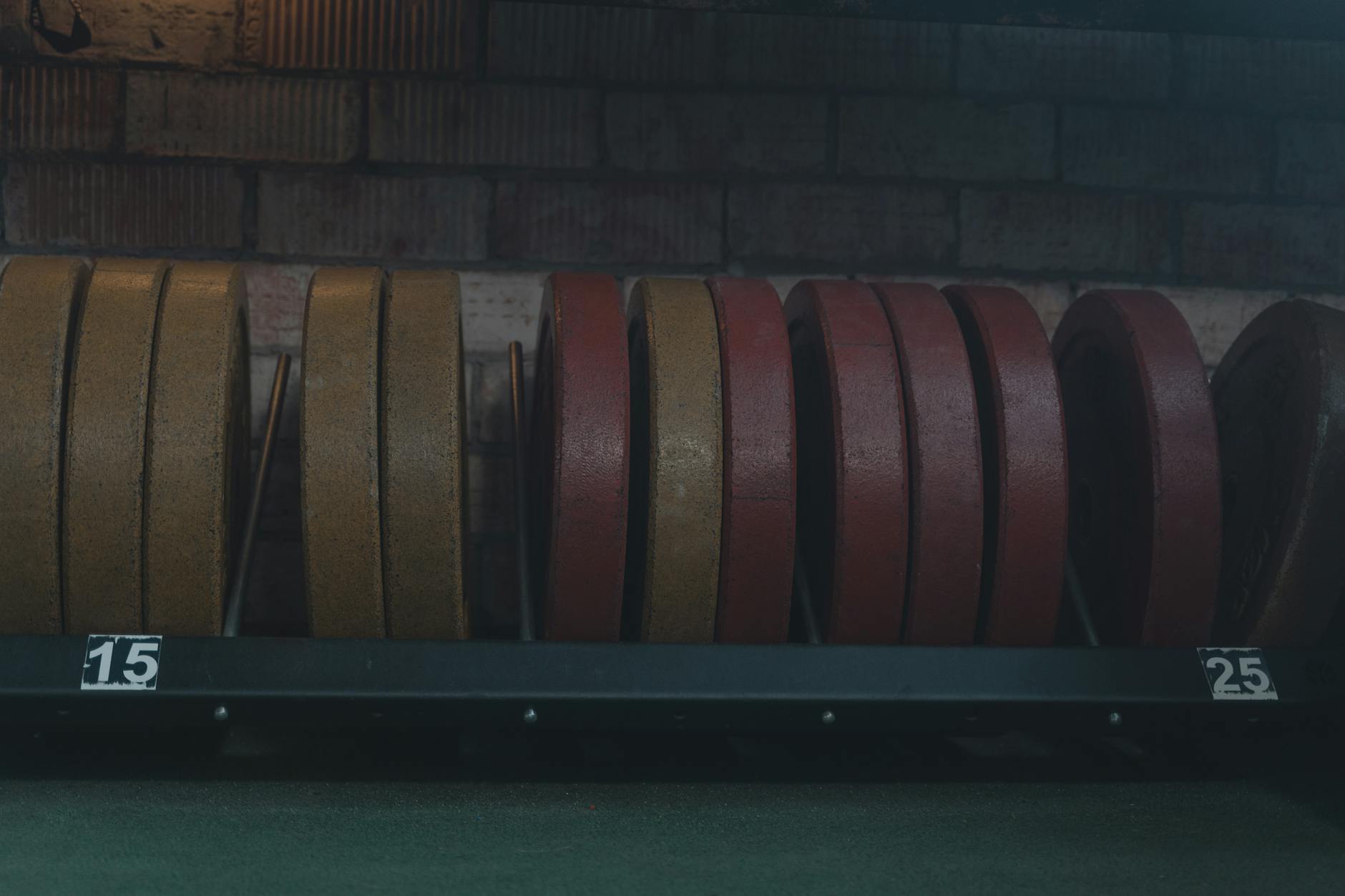
A weight tree takes almost no upkeep compared to anything with moving parts, which is part of its appeal, but a few habits stop small problems from becoming replacement-worthy ones. Wipe the horns down occasionally — sweat and chalk dust build up on the steel under rubber plates and accelerate surface rust if left long enough. Check that the base bolts, if the tree ships flat-packed, are still torqued down every few months; vibration from loading and unloading plates works fasteners loose slowly over time.
If a horn starts showing surface rust, deal with it before a plate goes on it rather than after. A rough or pitted horn wears through a bumper plate's rubber centre hole faster than a smooth one, which is a slower and less obvious problem than a tipped tree but costs more to fix once it's happened to several plates at once.
Here's the one strong opinion worth stating plainly: most people buy a weight tree for the wrong reason, which is that it looks like proper equipment in a garage gym photo, not because six or more plates have actually become a floor hazard. A tidy pile of two plates on a $200 tree is a worse use of money than the same two plates stacked against a wall and a tree bought once there are six.
And if a joke belongs anywhere in a post about weight storage, it's here: the only thing more universal than a garage gym owner ordering their first plate tree is that same person immediately overloading one side of it because the second pair of plates hasn't arrived yet.
Frequently Asked Questions
What's the difference between a weight tree and a plate rack?
A weight tree is a single vertical post with horns or pegs branching off it, usually with room for barbells in the base. A plate rack is typically an A-frame or horizontal shelf design. Trees take up less floor space; racks tend to hold more weight and are steadier when fully loaded.
How much weight can a bumper plate tree hold?
Most home gym weight trees are rated between 300 and 900 kilograms across all horns combined, though the number that matters is the per-horn rating, not the total. Check both before assuming a tree can hold a full set of Olympic bumper plates.
Can I store cast iron plates on a bumper plate weight tree?
Usually, yes, as long as the centre hole matches the horn diameter. Bumper plates and Olympic cast iron plates both use a 50mm centre hole, so most trees designed for one will hold the other. Standard 25mm to 30mm plates need a different tree or an adaptor sleeve.
Do I need a weight tree, or can I just stack plates on the floor?
Under about six plates, floor stacking is fine and a tree is an unnecessary purchase. Past that point, a stack becomes a trip hazard and makes it harder to find the plate you need mid-session, which is when a tree starts paying for itself in convenience.
How much floor space does a weight tree for bumper plates need?
A single vertical tree needs roughly half a square metre of floor space, including clearance to load and unload plates from either side. That is considerably less than the same plates spread out in a floor stack or a horizontal rack.
Is a DIY weight tree safe for bumper plates?
It can be, if it is built with a wide enough base and horns rated for the actual weight going on them. The most common DIY failure is a base that is too narrow for the load, which lets the whole tree tip once plates are loaded unevenly on one side.
How do I stop a weight tree from tipping over?
Load plates evenly across horns on both sides rather than filling one side first, keep the heaviest plates lowest, and check that the base sits flat on the floor rather than rocking on an uneven surface. A tree with a wide, weighted base resists tipping far better than a tall, narrow one.
Related at Flexi Muscles
- Shop weight plates, barbells & strength equipment
- Shop storage racks & gym accessories
- Shop the full range at Flexi Muscles