

Weight Storage Rack for Home Gym: How to Organize Every Piece of Equipment
By Flexi Muscles — 15 September 2026 · 8 min read
A weight storage rack for a home gym only earns its floor space if it holds more than one type of equipment. Dumbbells stacked neatly while kettlebells, plates, and bands stay on the floor solves a third of the problem. The full answer is a small system: one rack sized to what you actually own, a fixed spot for every other piece of kit, and a rule for where new equipment goes before it lands wherever there's a gap.
Shop Strength Training Equipment at Flexi Muscles
What a Storage Rack Actually Fixes
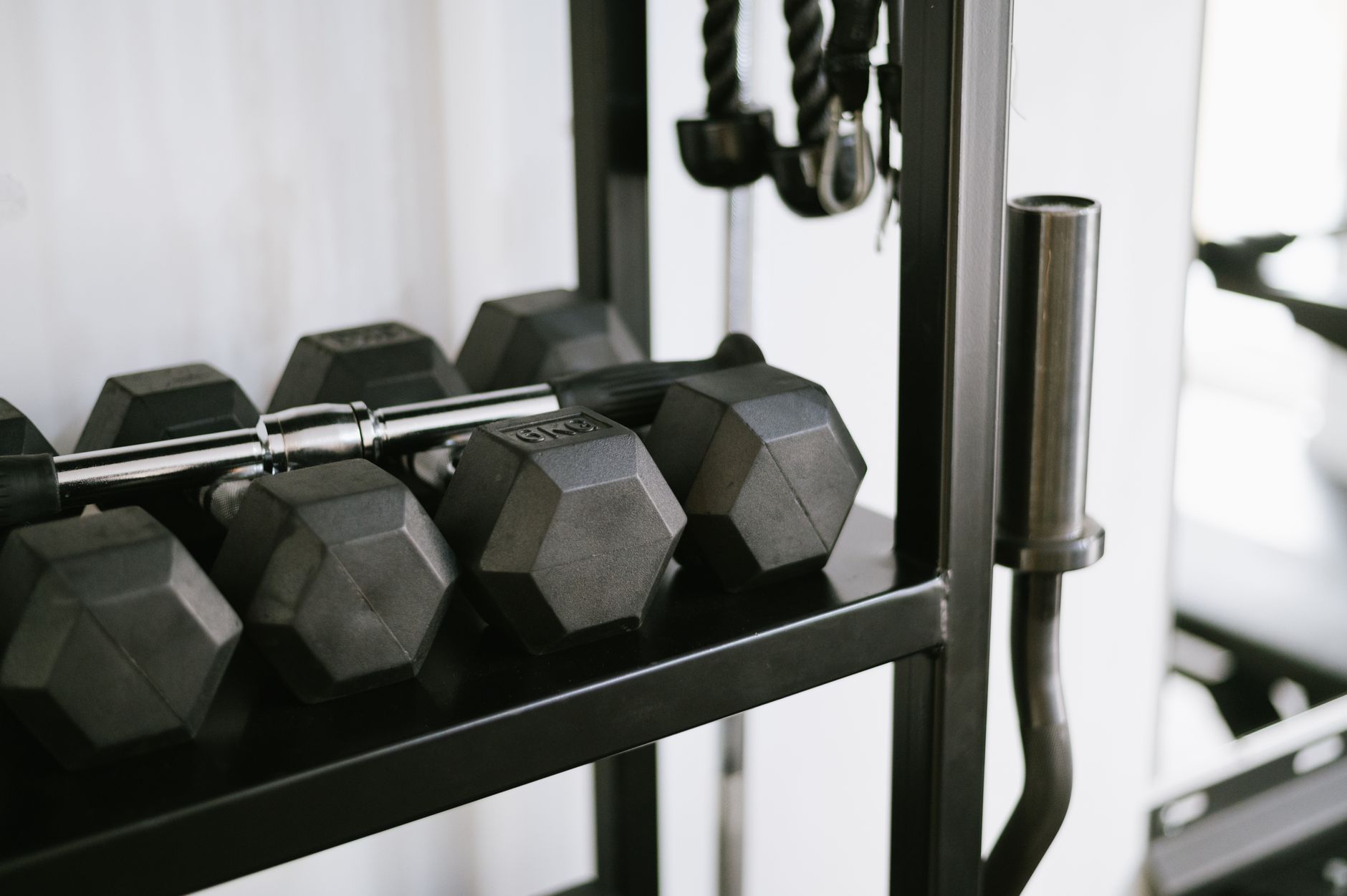
A storage rack holds equipment in a fixed spot instead of on the floor, against a wall, or stacked on top of whatever was already there. That's the whole job. It doesn't make a home gym look better on its own, and it doesn't fix a room that's too small for the equipment in it — it fixes the two problems that come from equipment with no fixed spot.
The first is tripping. A dumbbell or plate left where the last set ended is a hazard the moment someone walks past it in low light. The second is wear: plates and dumbbells stacked directly on top of each other chip coating and dent rubber over time, and a bare concrete floor does the same to cast iron edges.
Most people buy a rack for dumbbells first because that's the equipment that piles up fastest. The mistake is stopping there. Kettlebells, plates, bands, and a mat all need a fixed spot too, or the rack just moves the mess two metres to the left.
Types of Storage Racks for a Home Gym

Four types cover most home gyms:
- Horizontal dumbbell racks — angled trays holding pairs in a row, heaviest at the bottom. They run 114-246cm long and 53-81cm deep, taking 0.6-2 square metres of floor space in exchange for solid stability fully loaded.
- Vertical dumbbell racks — a narrow tower storing eight to ten pairs on end in under half a square metre. Less stable near full capacity, but the right call when floor space is the limiting factor.
- Plate trees — a vertical post with pegs sized for Olympic or standard plates, keeping a plate collection upright instead of stacked flat where the bottom plate takes all the weight.
- Wall-mounted racks — hooks or brackets fixed to a wall for kettlebells, bands, or a jump rope. They use no floor space at all, which matters most in a garage shared with a car or a spare room shared with anything else.
A heavy duty dumbbell rack — thicker steel gauge, a wider base, a higher per-tray rating — costs more than a standard rack at the same size. It's worth the difference once a single tray is holding a pair heavier than 20kg, where thin steel starts to bow.
Organizing a Home Gym With Limited Space
Most storage advice defaults to buying capacity for the collection you'll eventually own. That's backwards for anyone training in a spare room, a garage corner, or a rented flat: a compact rack sized for the eight to ten pieces you use weekly, freeing the 0.3-0.5 square metres a bigger rack would claim, beats a bigger rack with three empty hooks collecting dust.
Go vertical before you go wide. A wall-mounted rack or a vertical dumbbell tower reclaims floor space a horizontal rack never gives back, and in a room shared with anything else — a car, a desk, a bed — that floor space usually matters more than the extra stability a horizontal rack offers.
Second, put the equipment you use every session closest to where you train, and everything else further back. A rack two steps from your bench beats one that's perfectly organized but on the other side of the room, because the two-step version is the one that actually gets used after a long day.
Storing Plates, Kettlebells, and Bands Together
A dumbbell and kettlebell rack built as a single unit — trays for pairs on one side, hooks or a wider shelf for kettlebells on the other — solves the mixed-equipment problem in one footprint instead of two. It costs more than a dumbbell-only rack of the same size, but a second, separate rack for kettlebells usually costs more overall once you add up the extra floor space it needs.
Bands and small accessories don't belong on a rack built for weight at all. A hook strip or a shallow bin mounted beside the main rack keeps them visible and out of the way, without taking up a tray rated for 20kg dumbbells to hold a 200g resistance band.
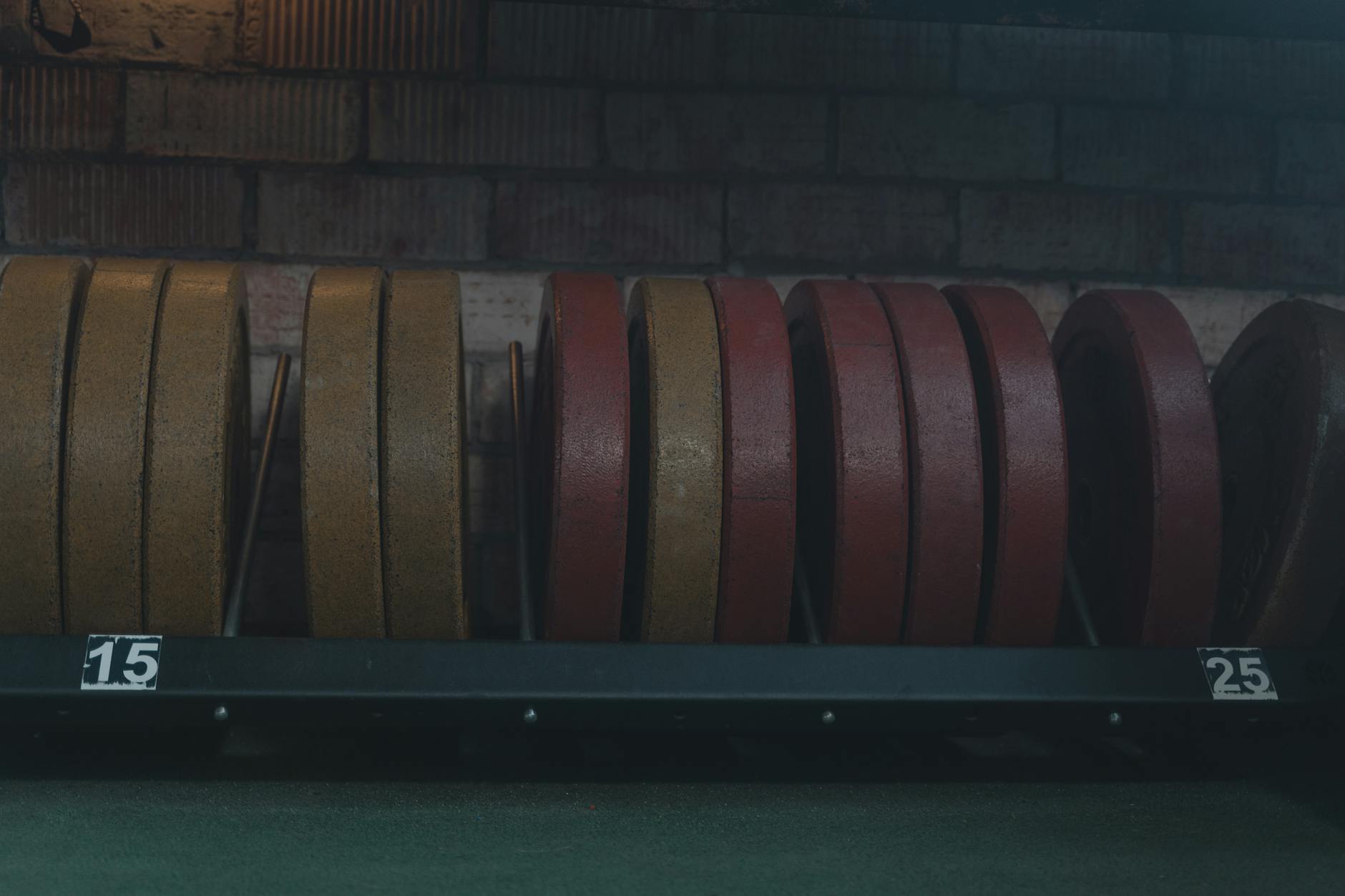
Plates are the item people get wrong most often. Stacked flat on the floor, the bottom plate carries the full weight of everything above it and the stack becomes a shin hazard the moment someone needs the plate at the bottom. A plate tree or a rack with dedicated pegs keeps each one upright and separately accessible.
What to Check Before You Buy
Three specs separate a rack that lasts from one that doesn't:
- Steel gauge — thicker steel resists bowing under load. A rack that flexes visibly when loaded to half its rated capacity is built from steel too thin for the rating on the box.
- Total rating vs per-shelf rating — a rack rated 450kg (1,000lb) overall but only 45kg per shelf won't safely take a heavy kettlebell or a full plate stack on any single tray. Check both numbers, not just the total.
- Base footprint vs height — a tall rack loaded top-heavy is a tip risk on carpet or an uneven garage floor. Compare the base width to the height before loading it, not after.
DIY Shelf vs Buying a Rated Rack
A DIY shelf or pipe rack is a fair weekend project for plates and dumbbells under roughly 20kg a pair, and it costs less than a manufactured rack of the same size. Scrap wood, a handful of brackets, and an afternoon covers most light storage needs.
Past that weight, buy a rack rated and tested to a stated capacity instead. An untested weld or a joint that hasn't been load-tested is a bad place to find out it was undersized, and the failure mode is a rack collapsing under real weight rather than a cosmetic issue. The savings on a DIY heavy-duty rack rarely justify that risk once the equipment on it gets genuinely heavy.
Who Doesn't Need a Dedicated Rack Yet
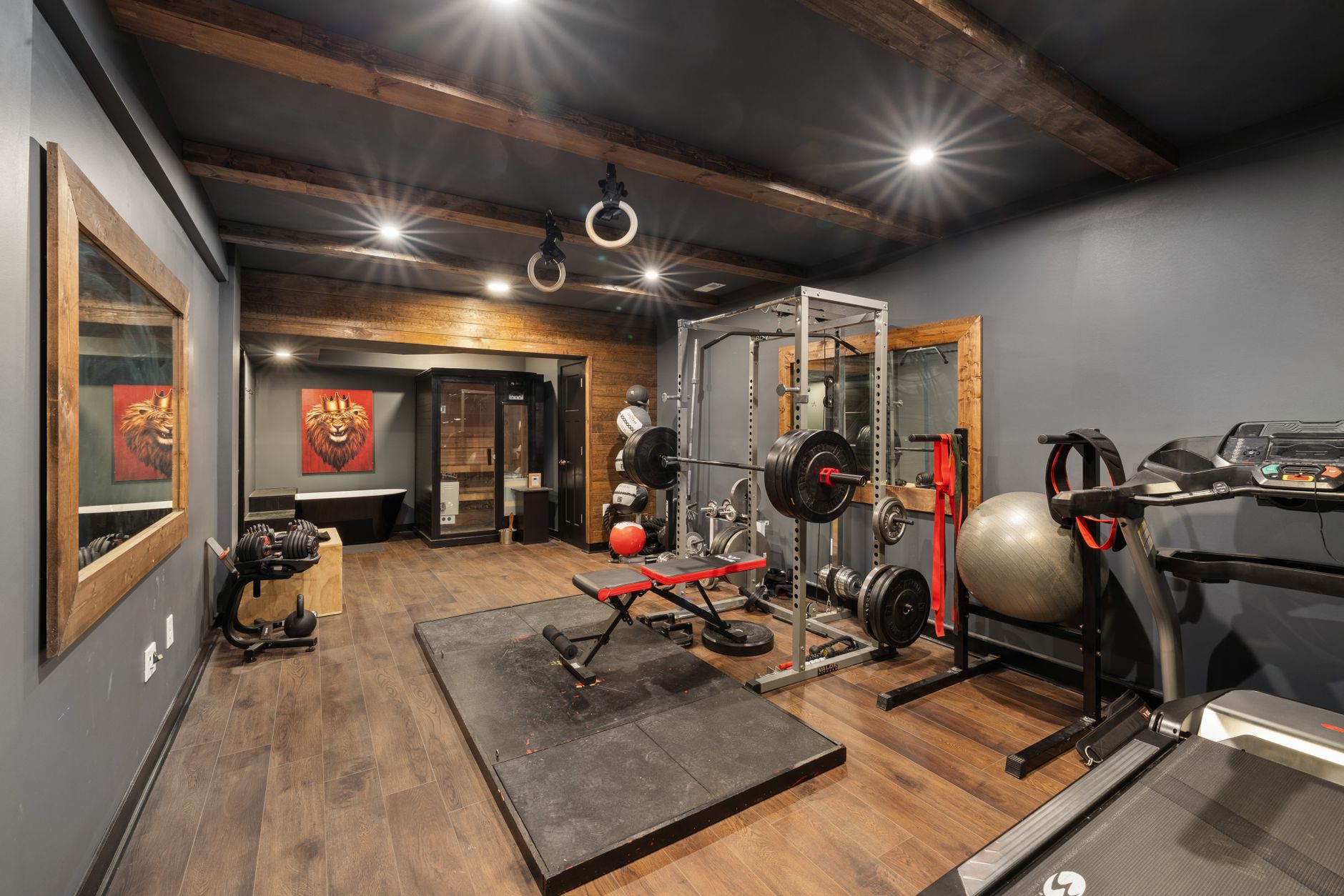
A storage rack isn't the right purchase for everyone. Skip it, or wait, if any of these apply:
- You own two pairs of dumbbells and one kettlebell — a corner of the room holds that without a trip hazard. A rack earns its keep once the collection grows past that.
- You're renting and moving within the year — a loaded multi-tier rack is awkward to move and reassemble. A rubber mat and careful stacking work as a temporary fix.
- Budget is tight and the equipment collection is still growing — buy the weights first. A rack with nothing on it solves nothing, and an unracked but complete set still lets you train.
- You train almost exclusively with a barbell — a storage rack solves a dumbbell, kettlebell, and plate problem; a barbell needs a squat rack or a wall mount, not a dumbbell tray.
If none of those apply, a storage rack is one of the cheaper upgrades that prevents real damage — to the equipment, the floor, and whoever walks through the room without looking down.
Ready to organize your home gym properly? Browse strength training equipment at Flexi Muscles.
Frequently Asked Questions
What is the best way to organize weights in a home gym?
Group equipment by how often you use it, not by size or type. Keep the dumbbells, kettlebells, and bands you touch every session on a rack within arm's reach of your training area, and push rarely used plates or attachments to a shelf further back.
Can one storage rack hold dumbbells, kettlebells, and plates together?
Yes, if it is built as a multi-purpose rack with hooks or wider trays for each type. A dumbbell-only tray isn't rated for the point load a kettlebell handle or a stack of plates puts on a single spot, so check the spec before mixing equipment on it.
How much weight can a home gym storage rack hold?
A heavy duty rack worth buying holds at least 450kg (1,000lb) across the whole frame, but the per-tray or per-hook rating matters more day to day. Check both numbers separately, since a high total doesn't guarantee any single shelf can take a heavy kettlebell or plate stack safely.
Is a DIY storage rack worth building instead of buying one?
For plates and light dumbbells, a scrap-wood shelf or pipe rack is a fair weekend project and costs less. For anything rated above roughly 100kg per shelf, buy a rack tested and rated to a stated capacity rather than trusting an untested weld or joint.
How do I store gym equipment in a small apartment?
Go vertical before you go wide. A wall-mounted rack for kettlebells or a vertical dumbbell tower uses under half a square metre of floor space, compared with 0.6-2 square metres for a horizontal rack of similar capacity.