

Weight Lifting Weights: What to Check Before You Buy

By Flexi Muscles — 9 July 2026 · 12 min read
Weight lifting weights for sale range from single fixed dumbbells to full barbell-and-plate bundles, and the price difference between two plates of the same kilogram marking usually comes down to the material, not the brand. Cast iron is the cheapest way to add kilograms to your floor. Rubber and urethane coatings cost more but protect flooring and cut the noise. Before you buy anything, work out what you're actually training for — that decides the set, not the sale price.
Shop Weight Lifting Weights at Flexi Muscles
Types of Weights for Sale
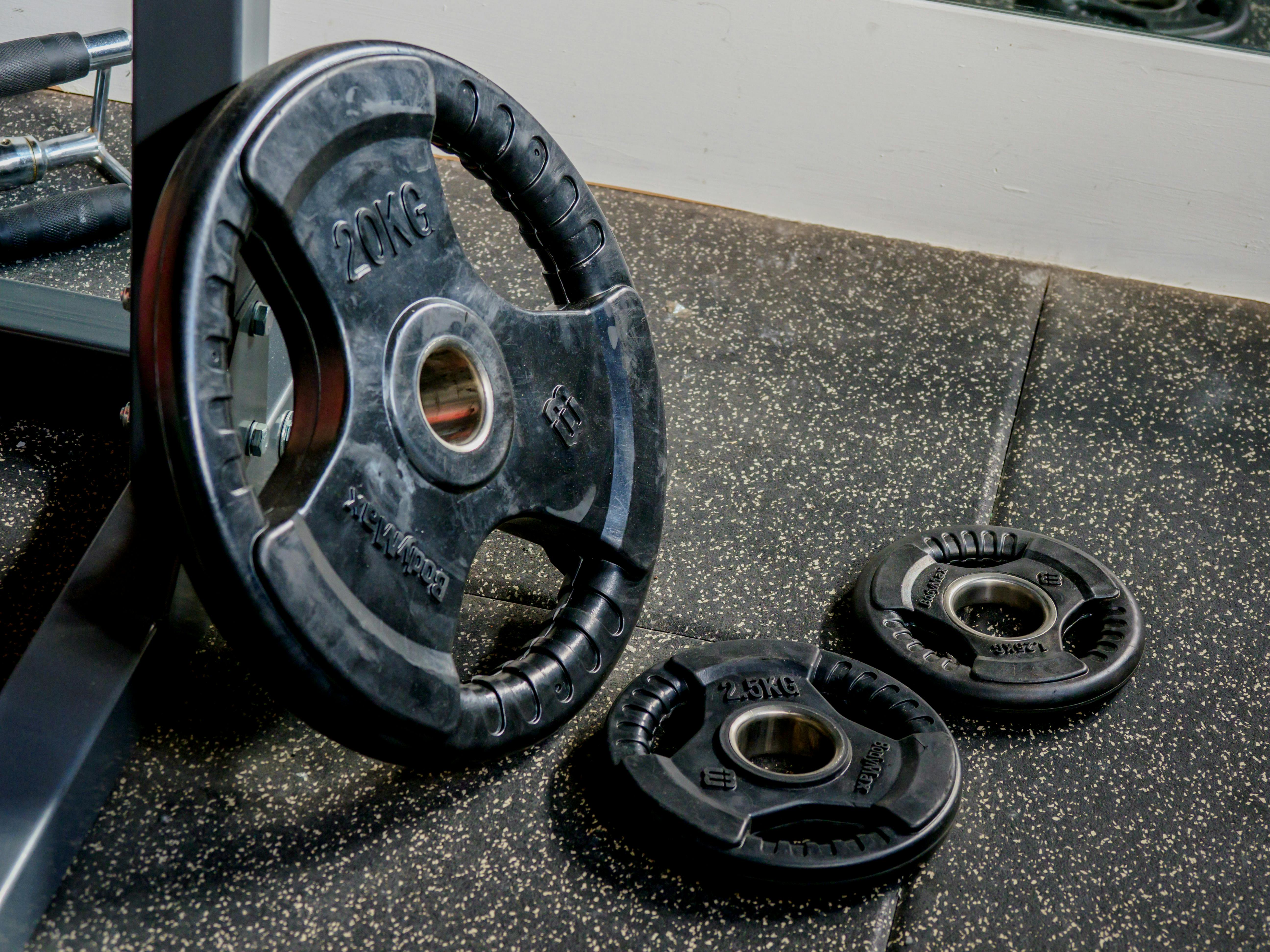
"Weights for sale" covers four different products, and they're not interchangeable. Fixed dumbbells are a set kilogram value cast or moulded in one piece — no adjusting, no moving parts, nothing to loosen over time. Adjustable dumbbells use a handle with plates or a dial that changes the load, trading a higher price for less floor space. Barbells and Olympic weight plates are sold separately and only make sense once you own a bar to load them onto. Kettlebells are their own category, built for swings and carries rather than the push-pull movements a dumbbell handles.
Straight up: most people buying their first set default to dumbbells because they're the easiest to store and the easiest to use without coaching. That's a reasonable starting point. Where people overspend is buying an adjustable set before they know whether they'll train three times a week or three times a month.
Dumbbells: Fixed vs Adjustable
Fixed dumbbells cost less per kilogram and never fail mechanically. The catch is you need a pair for every weight increment, which adds up in both cost and shelf space if you're progressing through a full range. Adjustable dumbbells solve the space problem and let you jump from a light warm-up set to a heavy working set on the same pair of handles, but the dial or pin mechanism is one more thing that can wear out or jam, particularly on cheaper units.
Barbells, Plates and Kettlebells
A barbell and Olympic weight plates give you the most room to grow strength over time, since you can add small increments as you progress. It's also the setup with the highest entry cost, because a bar, collars, and a useful range of plates add up before you've done a single rep. Kettlebells are worth adding once your training includes swings, cleans, or carries — they're a poor substitute for a dumbbell in a straightforward bicep curl or press.
Weight plate sets sold as a bundle — a fixed spread of kilogram values packaged together — suit anyone who already knows they want a barbell setup and would rather buy the range in one order than build it plate by plate. The trade-off is less control over the exact spread you end up with, since bundles are built around common increments rather than the gaps in your own strength.
What Actually Affects the Price
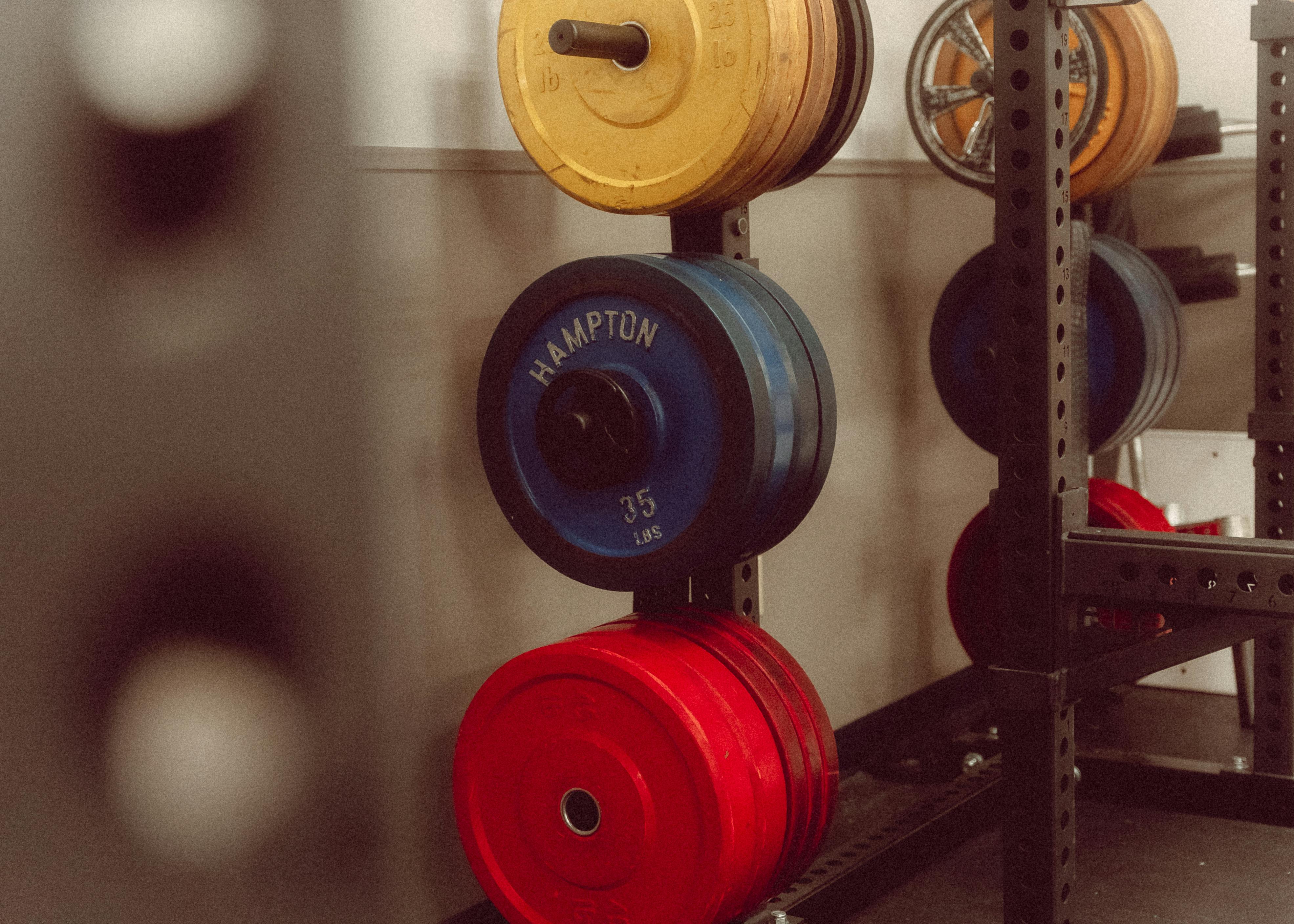
When you start browsing weight lifting plates for sale, two plates stamped with the same kilogram number can sell at very different prices, and the gap almost always comes down to the coating, not the brand printed on the side.
Cast Iron
Cast iron is the cheapest way to add weight to a set. It's dense, so a small plate carries real kilograms, and there's no coating to wear through over years of use. The downsides are noise on impact and a bare metal surface that will mark a tiled or wooden floor if it's dropped rather than lowered.
Rubber-Coated
A rubber coating adds cost but takes the edge off both the noise and the floor damage. This is the middle ground most home gym buyers land on: heavier than the equivalent cast iron plate by a small margin because of the coating, but noticeably easier to live with in a shared house or an upstairs room.
Urethane-Coated
Urethane sits at the top of the price range. It's thinner than rubber for the same protection, holds its finish longer under repeated use, and is the coating most commercial gyms choose because it survives years of daily drops. For home use, it's rarely worth the premium unless resale value or long-term durability matters more than the upfront cost.
| Material | Cost per kilogram | Noise on drop | Floor protection | Best for |
|---|---|---|---|---|
| Cast iron | Lowest | High | None | Garages, concrete floors, tight budgets |
| Rubber-coated | Mid | Low | Good | Home gyms, upstairs rooms, shared houses |
| Urethane-coated | Highest | Lowest | Best | Daily heavy use, long-term durability, resale value |
Weight Lifting Accessories
Belts, straps, and gloves sit outside the weight itself but change what you can lift safely. A belt matters once you're loading a barbell heavier than your own bodyweight on squats or deadlifts. Straps help grip hold out on pulling movements before your back gives up. Knee sleeves add warmth and light support on higher-rep squat days, though they won't fix pain that a lighter weight or better technique should address instead. None of these are needed for a first set of dumbbells — they earn their place once the weight on the bar starts testing your grip or your lower back before your target muscle.
Free Weights or Machines: Which Should You Buy

Free weights force your stabiliser muscles to control the movement, which is why a dumbbell press feels harder than the same number on a machine chest press. Machines guide the weight along a fixed path, which is useful for isolating a single muscle or for training around an injury, but they take up more floor space and cost more than an equivalent free weight set.
For a home gym, free weights win on almost every practical measure: less space, lower cost per exercise you can perform, and a set that keeps working when your training goals change. Don't buy a machine as your first purchase unless you're rehabbing a specific joint or you already know exactly which one or two exercises you want it for.
There are exceptions worth naming. A cable machine or resistance band setup earns its place once you want constant tension through a movement, which free weights can't give you at the top and bottom of a rep. A leg press can be a sensible add for someone intimidated by loading a barbell onto their back for a squat, since it removes the balance and bracing demands while still training the same muscles. Neither replaces a basic weight set — they sit alongside one, once you know which gap you're filling.
How Much Weight You Actually Need
The most common overspend in weight lifting weights for sale is buying a full range before you know your own numbers. Work this out first:
- Establish your starting point. If you've never trained with weights, start light enough that your form stays clean for the full set, not just the first few reps.
- Pick the exercises you'll actually do. A press, a row, and a squat or lunge pattern cover most of what a beginner set needs. Buying kilogram ranges for exercises you won't do for six months is money sitting on a shelf.
- Leave room to progress. A weight that challenges you for 10 to 12 reps on your last set is close to right. If you can do 20 reps without strain, it's too light to build strength; if you can't complete 6, it's too heavy to use safely without a spotter.
Heads up: it's far cheaper to buy a mid-range set and add plates later than to buy heavy and sell weight you never grew into. Most retailers don't buy back partially used plates at a price that makes overbuying worthwhile.
Starting weight also isn't the same across movement patterns, which is the reason a single pair of dumbbells rarely covers a full routine. A push movement like a shoulder press usually needs a lighter start than a pull movement like a row, because pressing relies on smaller stabiliser muscles that fatigue faster than the bigger pulling muscles across your back. Squat and lunge patterns can typically start heavier still, since your legs carry more raw strength than your arms and shoulders from day one. None of this is a fixed rule — it's the reason to buy a spread of two or three weights rather than one pair and assume it covers everything.
Building a Weight Set Without Overbuying
A starter set for someone training at home two or three times a week needs less than most first-time buyers assume. A pair of adjustable dumbbells, or two or three pairs of fixed dumbbells across a light, medium, and heavy range, covers a full-body routine without a rack, bench, or barbell in sight.
A full range — barbell, a spread of Olympic plates, a bench, and a rack to store it all — only earns its cost once you're training compound lifts like a barbell squat, bench press, or deadlift on a consistent schedule. If you're not sure you'll stick with training past the first few months, don't buy the full range on day one. Add the bar and plates once the dumbbell routine stops being enough of a challenge, which is a better problem to have than a rack of plates you never load.
A Starter Set
- One pair of adjustable dumbbells, or two to three pairs of fixed dumbbells spanning a light, medium and heavy weight
- A resistance band or two for movements a dumbbell doesn't load well, such as face pulls or banded stretches
- No bench, no rack, no barbell — none of it is needed yet
A Full Range Set
- An Olympic barbell with collars
- A spread of Olympic weight plates covering your working sets and your top single-rep attempts
- A flat or adjustable bench
- A squat rack or stands, once you're loading the bar past what you can lift off the floor safely on your own
Comparing gym weights for sale across suppliers is worth doing at this stage, since the same full range can vary a fair amount in price depending on coating, plate diameter, and whether the bar and plates are sold as a bundle or separately.
New vs Used: What to Check Before You Buy
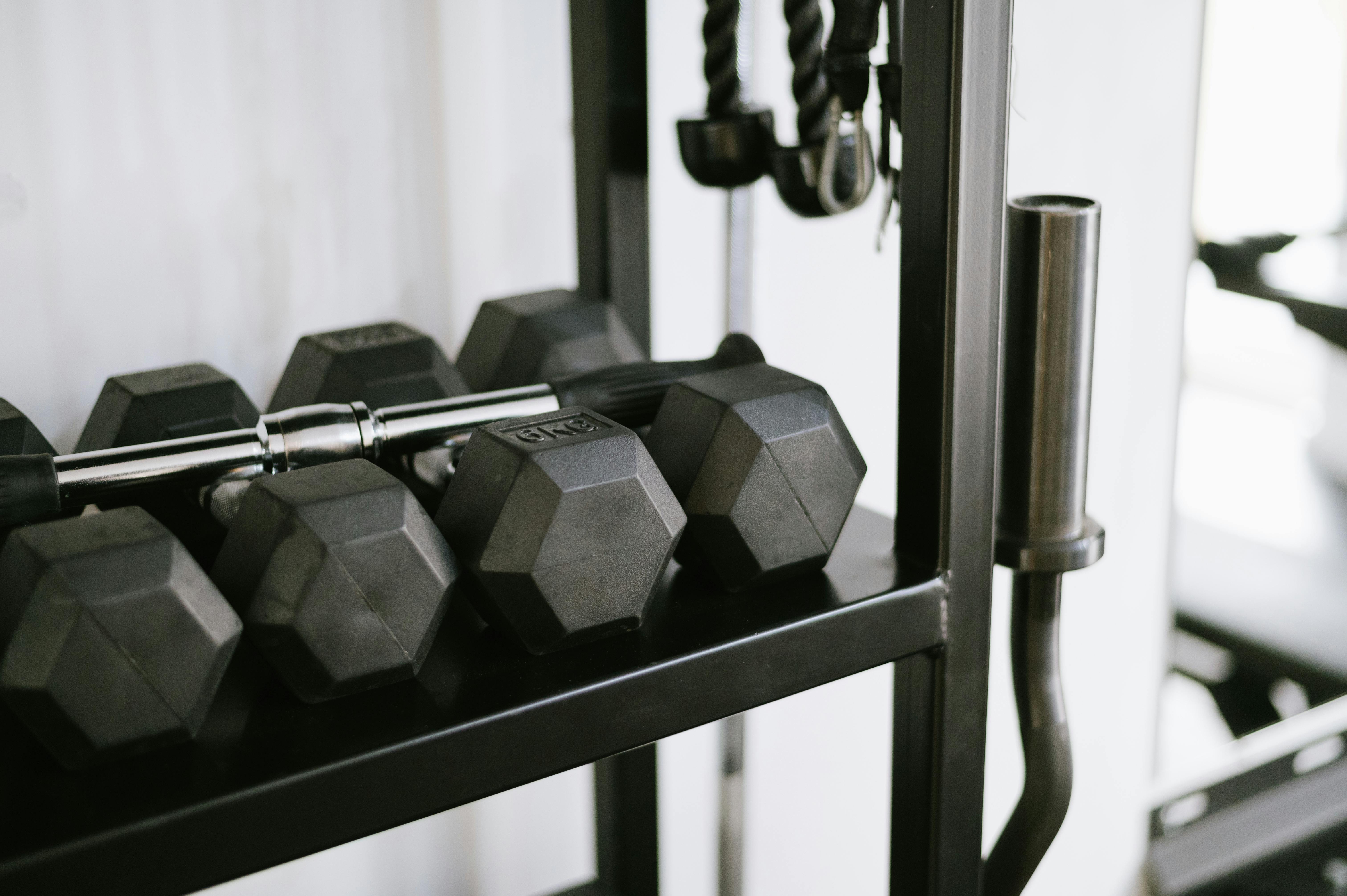
Used weight plates are one of the few pieces of gym equipment where buying second-hand rarely means buying a worse product — iron doesn't wear out from being lifted. What it can hide is damage from how it was stored or dropped. Before handing over money for a used set, check for:
- Hairline cracks around the centre hole, especially on cast iron plates that have been dropped on concrete repeatedly.
- A worn or oversized centre hole that no longer sits snugly on a standard bar sleeve.
- Stamped weight versus actual weight. A second-hand plate doesn't care that it came from someone's garage. It only cares that it weighs what's stamped on the side of it — and cheap or very old plates sometimes don't. If you can, weigh it before you pay for it.
- Coating condition on rubber or urethane plates. Peeling or cracked coating means the plate will only get louder and messier from here, not better.
Adjustable dumbbells and anything with a dial, pin, or spring mechanism are a different story. Wear on moving parts isn't always visible, so buying those new carries less risk than buying used from someone you can't watch use it first.
Checking a Used Barbell
A barbell wears differently to a plate. Roll it along a flat surface — if it wobbles, the shaft is bent, and no amount of price cutting makes that a good buy. Spin the sleeves by hand. They should turn freely without grinding, since dry or worn bearings inside the sleeve make loaded lifts harder to control, particularly on deadlifts and cleans where the bar needs to rotate independently of the plates stacked on it.
Buying Weights for Sale in South Africa
Local stock and imported weights aren't priced on the same basis, and the difference isn't always obvious from the listing price alone. Weights stocked in South Africa arrive in days rather than weeks, and any warranty claim goes through a local supplier who can actually be reached if a plate arrives cracked or a dial mechanism fails early.
Imported weights can look cheaper on the sticker price until shipping, import duty, and rand exchange movement get added at checkout. Heads up: that exchange rate exposure doesn't stop at the day you order — if the rand moves before the shipment clears customs, the landed cost can shift again. For a full barbell-and-plate bundle, the total often ends up close to local pricing anyway, at which point the faster delivery and local warranty make locally stocked weights the better buy.
Before paying a local supplier, it's worth confirming a few things upfront rather than after the plates arrive:
- Return policy on damaged stock. A cracked plate or a bent bar sleeve should be a straightforward exchange, not a drawn-out claims process.
- Warranty length and what it covers. A coating warranty is not the same as a structural warranty on a barbell shaft or an adjustable dumbbell mechanism.
- Whether delivery is tracked. Weight plates are heavy enough that courier damage is a real risk, and a tracked delivery gives you a paper trail if a box arrives dented.
- Kilogram accuracy. A reputable local supplier should be able to tell you the tolerance their plates are manufactured to, rather than leaving you to weigh every plate yourself.
Frequently Asked Questions
What's the real difference between cast iron and rubber-coated plates?
Cast iron is heavier for its size and cheaper per kilogram, but it is noisy and can chip a floor if you drop it. Rubber-coated plates cost more per kilogram, protect flooring, and drop quietly, which matters most in a garage or an upstairs home gym.
Should I buy new or used weight plates?
Used plates are a legitimate way to cut cost if you check for hairline cracks, worn centre holes, and mismatched actual weight versus stamped weight. New plates make more sense for adjustable dumbbells and anything with moving parts, where wear is not visible from the outside.
Are adjustable dumbbells worth the extra cost over a fixed set?
Adjustable dumbbells save floor space and suit anyone still working out their strength range. Fixed dumbbells cost less per kilogram and have no dial to seize up, which makes them the better buy once you know the weights you actually use.
How much weight should a beginner start with?
Start with a weight you can lift for 10 to 12 clean reps on your last set, not the heaviest plate on the shelf. Progression comes from adding small increments over weeks, not from buying every plate size on day one.
Do I need a rack or bench before buying weights?
Not for your first set. A pair of dumbbells or a barbell and a stack of plates work fine on any solid floor. A rack becomes worth the money once you own enough weight that stacking it against a wall stops being practical.
Is it better to buy weights locally in South Africa or import them?
Locally stocked weights arrive faster and carry a supplier warranty you can actually use. Imported weights can look cheaper on the sticker price until shipping, import duty, and rand exchange movement get added, at which point local stock is usually the better deal.
Related at Flexi Muscles
- Shop strength training equipment, barbells and plates
- Shop dumbbells for sale
- Shop weight lifting accessories: belts, straps and gloves
- Browse all Flexi Muscles products