

Strength Building Workout: Reps, Rest and a 3-Day Programme
By Flexi Muscles — 26 September 2026 · 9 min read
A strength building workout is built on five or six heavy compound lifts done for 3 to 6 reps per set, with 2 to 3 minutes of rest between sets. Train two to three times a week and add a small amount of weight whenever every set hits its target reps. That is the whole method. The rest of this guide covers which lifts, the exact programme, and how to run it at home.
Shop Strength Training Equipment at Flexi Muscles
What makes a strength building workout different
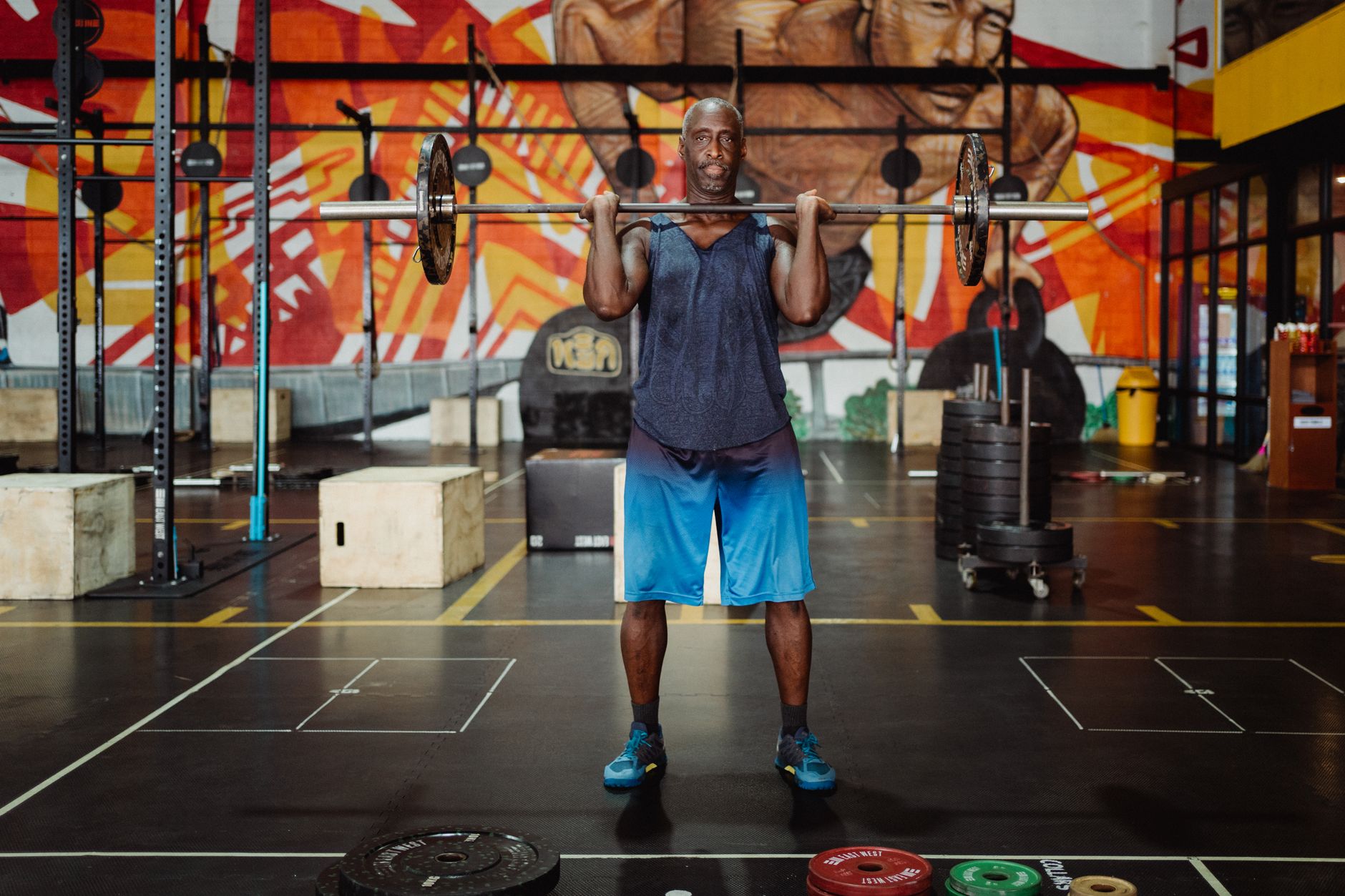
All resistance training workouts make you stronger at first. The difference is what you optimise for once the beginner gains slow down. A strength workout aims to move the most weight possible. A muscle-building workout aims for size. The two overlap, but the sets, reps and rest periods change.
| Strength | Muscle size | |
|---|---|---|
| Reps per set | 3 to 6 | 6 to 12, sometimes more |
| Load | 80 to 95% of your one-rep max | 65 to 80% of your one-rep max |
| Rest between sets | 2 to 5 minutes | 60 to 90 seconds |
| Exercise choice | Compound lifts first and mostly | Compound lifts plus isolation work |
You do not need to know your one-rep max. Pick a weight you can lift for the target reps with one or two reps left in reserve. If you finish a set of 5 and could have done 9, it was too light.
Six exercises for resistance training that build strength
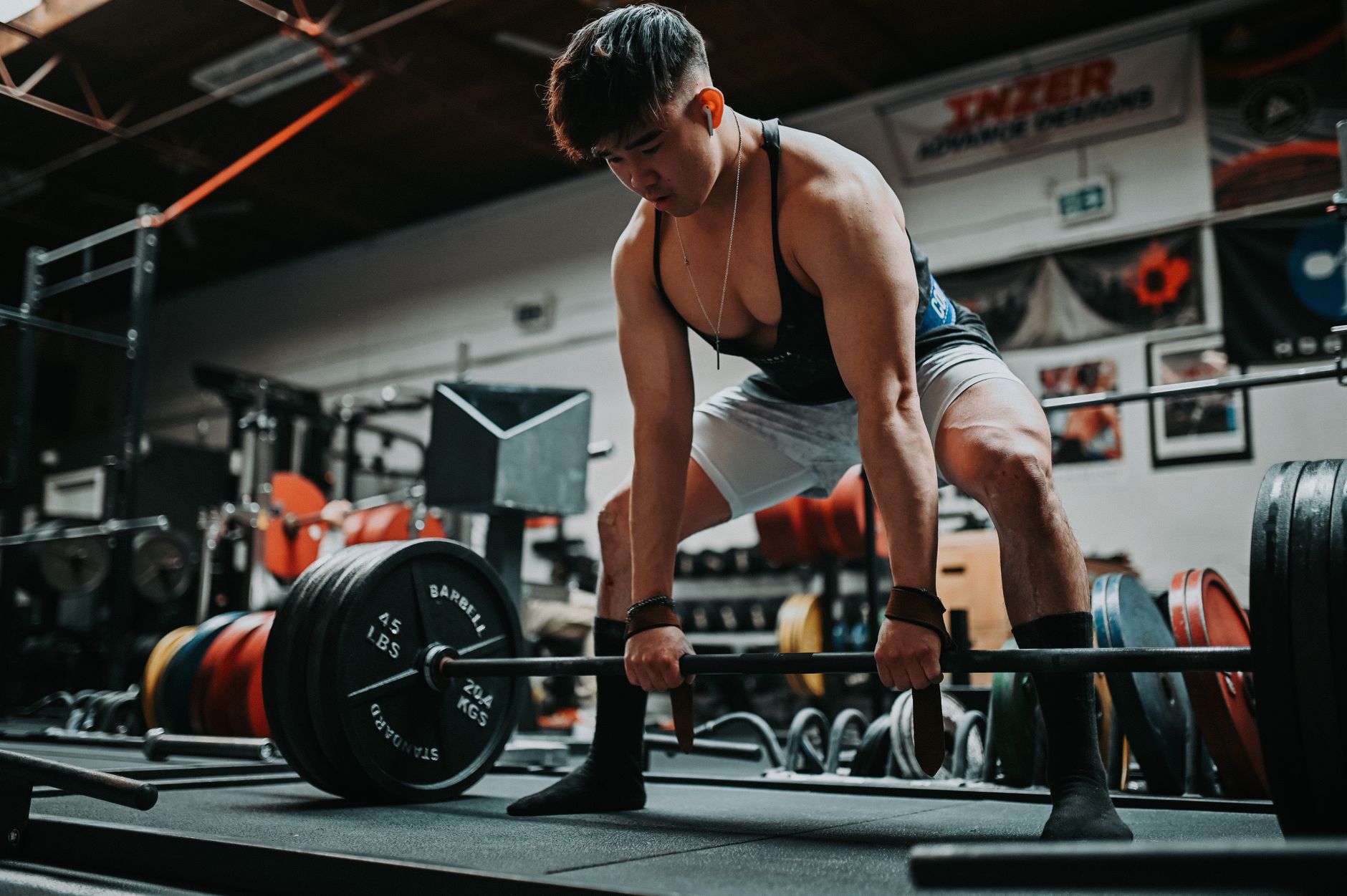
Compound lifts move several joints at once, so they let you load the most weight and train the most muscle per rep. These six cover every main movement pattern.
- Back squat — the main lower-body lift. Trains quads, glutes and the muscles that hold your trunk upright. Squat until your hip crease drops level with or below your knees.
- Deadlift — lifts the most weight of any exercise here. Trains hamstrings, glutes, back and grip. Keep the bar touching your legs the whole way up.
- Bench press — the main upper-body push. Trains chest, front shoulders and triceps. Always use safety arms or a spotter when you train heavy.
- Overhead press — a standing press from shoulders to lockout. Builds shoulder strength and forces your core to brace hard.
- Barbell row — the main upper-body pull. Balances all the pressing and protects your shoulders over time. Swap in pull-ups if you have a bar.
- Split squat — single-leg work that exposes left-right imbalances the barbell squat hides. Hold dumbbells once bodyweight gets easy.
Life has its ups and downs. In a strength programme, most of them are squats.
A 3-day strength training programme
Alternate two workouts, A and B, across three days a week. Week one runs A-B-A, week two runs B-A-B. Warm up with 5 minutes of light cardio and two or three lighter sets of the first lift before your working sets.
| Workout A | Sets × reps | Workout B | Sets × reps |
|---|---|---|---|
| Back squat | 5 × 5 | Back squat | 5 × 5 |
| Bench press | 5 × 5 | Overhead press | 5 × 5 |
| Barbell row | 5 × 5 | Deadlift | 1 × 5 |
| Split squat | 3 × 8 per leg | Plank | 3 × 30 seconds |
The deadlift gets one heavy set of 5 because it is the most tiring lift on the list, and you squat in the same session. Each workout takes 45 to 60 minutes with full rest periods.
Brand new to lifting? Run this strength training programme at 3 × 10 with lighter weights for your first four to six weeks. You learn the movements at a load where mistakes cost nothing, then switch to 5 × 5.
Sets, reps, rest and frequency
- Reps: 3 to 6 per set on the main lifts. Accessory work like split squats sits at 8 to 12.
- Sets: 3 to 5 working sets per main lift. Warm-up sets do not count.
- Rest: 2 to 3 minutes between sets, and up to 5 minutes on heavy squats and deadlifts.
- Frequency: 2 to 3 sessions a week, with at least 48 hours between them.
One opinion we will stand behind: rest periods decide more home strength sessions than exercise choice does. Cutting rest from 3 minutes to 60 seconds shortens the session, but it also turns a strength workout into a conditioning workout. If your fifth set of squats has 2 fewer reps than your first, rest longer before you blame the programme.
How to progress week to week
Progressive overload drives every strength building workout. When you complete every set of a lift at the target reps with clean form, add weight next session:
- Upper-body lifts (bench, overhead press, row): add 2.5 kg
- Lower-body lifts (squat, deadlift): add 2.5 to 5 kg
If you miss your target reps, stay at the same weight next session. Miss them three sessions in a row and drop the weight by 10%, then build back up. That reset usually carries you past the old sticking point within two to three weeks.
Write every session down: the date, weight, sets and reps. Heads up: without a log, you end up guessing what you lifted last time, and progression stalls on guesses.
Strength training exercises at home
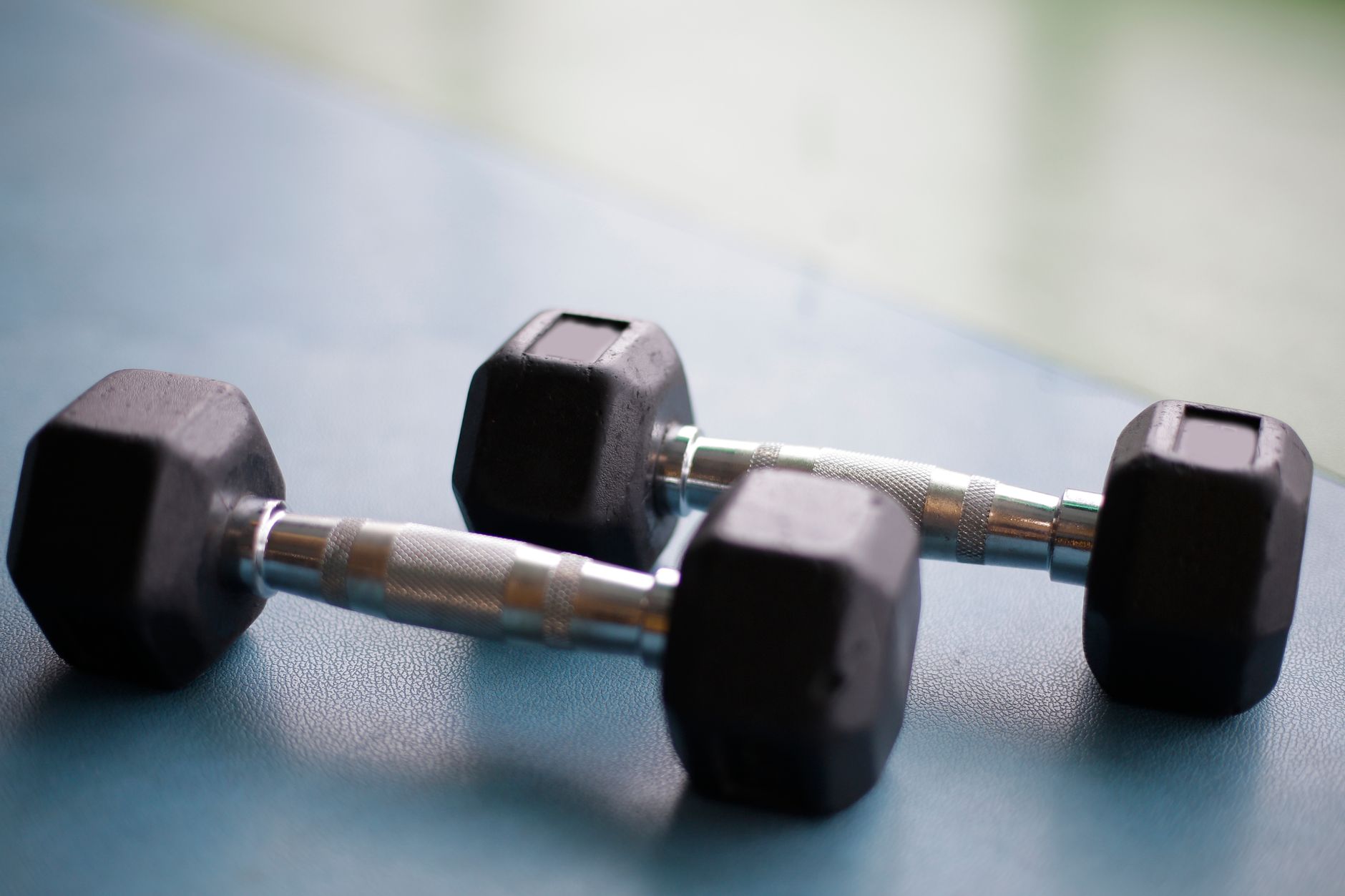
No barbell? The same programme works with dumbbells and bands if you swap each lift for its closest match.
| Barbell lift | Home swap |
|---|---|
| Back squat | Goblet squat, then Bulgarian split squat once goblets get easy |
| Deadlift | Dumbbell Romanian deadlift or single-leg Romanian deadlift |
| Bench press | Dumbbell floor press or bench press, or banded push-up |
| Overhead press | Standing dumbbell press |
| Barbell row | Single-arm dumbbell row or banded row |

The limit at home is load, not exercise choice. Dumbbells cap out sooner than a barbell, so push reps higher (6 to 10) and use slower lowering phases to keep sets hard. Bands add resistance at the top of a lift, where you are strongest, which makes them a good add-on to dumbbell presses and rows.
A resistance training home gym for this programme needs adjustable dumbbells, a flat or adjustable bench, and a set of bands. Add a barbell, plates and a squat rack once your goblet squat stops feeling heavy.
Common mistakes
- Starting too heavy. Begin with weights that feel easy for the first two weeks. You will catch up fast, and your first two weeks of form practice will pay off for years.
- Skipping the warm-up sets. Two or three lighter sets before your working weight let you check your technique before the load gets serious.
- Adding exercises. Four lifts done well beat eight done half-heartedly. Extra volume eats into recovery for the lifts that matter.
- Changing programmes every month. Beginner strength gains can run for six months or more on one simple plan. Stay on it until the weights stop moving.
- Ignoring protein and sleep. Harvard Health recommends 1 to 1.2 g of protein per kilogram of bodyweight a day for people starting strength work.
When a strength workout is the wrong choice
Straight up: heavy low-rep training does not suit everyone. Pick something else if one of these applies.
Your main goal is muscle size
Heavy triples and fives build some muscle, but 8 to 12 reps with shorter rest builds more per session. Run a muscle-building split instead.
You are injured or returning after a long break
Loads of 80% and above put the most stress on joints and connective tissue. Rebuild with moderate weights for a month first, and get medical clearance if a joint is involved.
You want general fitness and nothing more
Two full-body sessions a week at 8 to 12 reps give most of the health benefit with less setup and less risk. You do not need a barbell and a 5-minute rest to stay healthy.
You cannot rest between sets
If your only training slot is 25 minutes, you cannot fit full rest periods around heavy sets. A circuit with lighter weights is a better use of that time.
Frequently Asked Questions
How many reps should I do to build strength?
Three to six reps per set, with a weight heavy enough that one or two more reps would be a struggle. Beginners do better starting at 8 to 12 reps for the first four to six weeks while they learn the lifts, then dropping to the lower range.
How many days a week should I do a strength building workout?
Two to three days a week, with at least 48 hours between sessions. Three full-body sessions on Monday, Wednesday and Friday is the most common setup, and it trains every main lift at least once a week.
How long should I rest between sets for strength?
Two to three minutes between sets of the main lifts, and up to five minutes on your heaviest squat or deadlift sets. Resting 60 seconds works for muscle size and conditioning, but it cuts the reps you can do at heavy loads.
Can I build strength at home without a barbell?
Yes, up to a point. Dumbbells, resistance bands and single-leg exercises build real strength for the first year or so. Once you can goblet squat your heaviest dumbbell for 15 reps, you need more load, which usually means a barbell and plates.
How long does it take to get stronger?
Most people notice strength gains within four to six weeks of consistent training. Early gains come mostly from your nervous system learning the lifts, which is why beginners add weight faster than experienced lifters.
Is 5x5 or 3x10 better for strength?
5x5 is better for strength because it trains you at heavier loads. 3x10 builds more muscle size per set and suits the first month of training. Many people run 3x10 for four to six weeks, then move to 5x5.
Related at Flexi Muscles
- Strength Training Equipment — barbells, plates, benches and racks for the full programme
- Dumbbells — the core of the home version of this workout
- Resistance Bands — extra resistance for presses and rows at home
- Lifting Accessories — belts, straps and wraps for heavier sets