

Neutral grip pull up: Form, muscles worked and the bar you need
By Flexi Muscles — 7 October 2026 · 6 min read
A neutral grip pull up is a pull-up done on parallel handles with your palms facing each other. It trains the lats as hard as a standard pull-up, works the biceps and brachialis more, and puts the shoulder in a position most people find comfortable. You need a bar with neutral handles to do it properly. A plain straight bar will not work.
Shop Pull Up Bars at Flexi Muscles
What Is a Neutral Grip Pull Up?

You will also see it called a hammer grip pull up or a parallel grip pull up. Same exercise. Your hands sit roughly shoulder-width apart on two handles that run front to back, palms facing in, like holding a pair of hammers.
It sits between an overhand pull-up (palms away) and a chin-up (palms towards you), which is why most multi-grip bars have parallel handles in the middle.
Neutral Grip Pull Up Muscles Worked
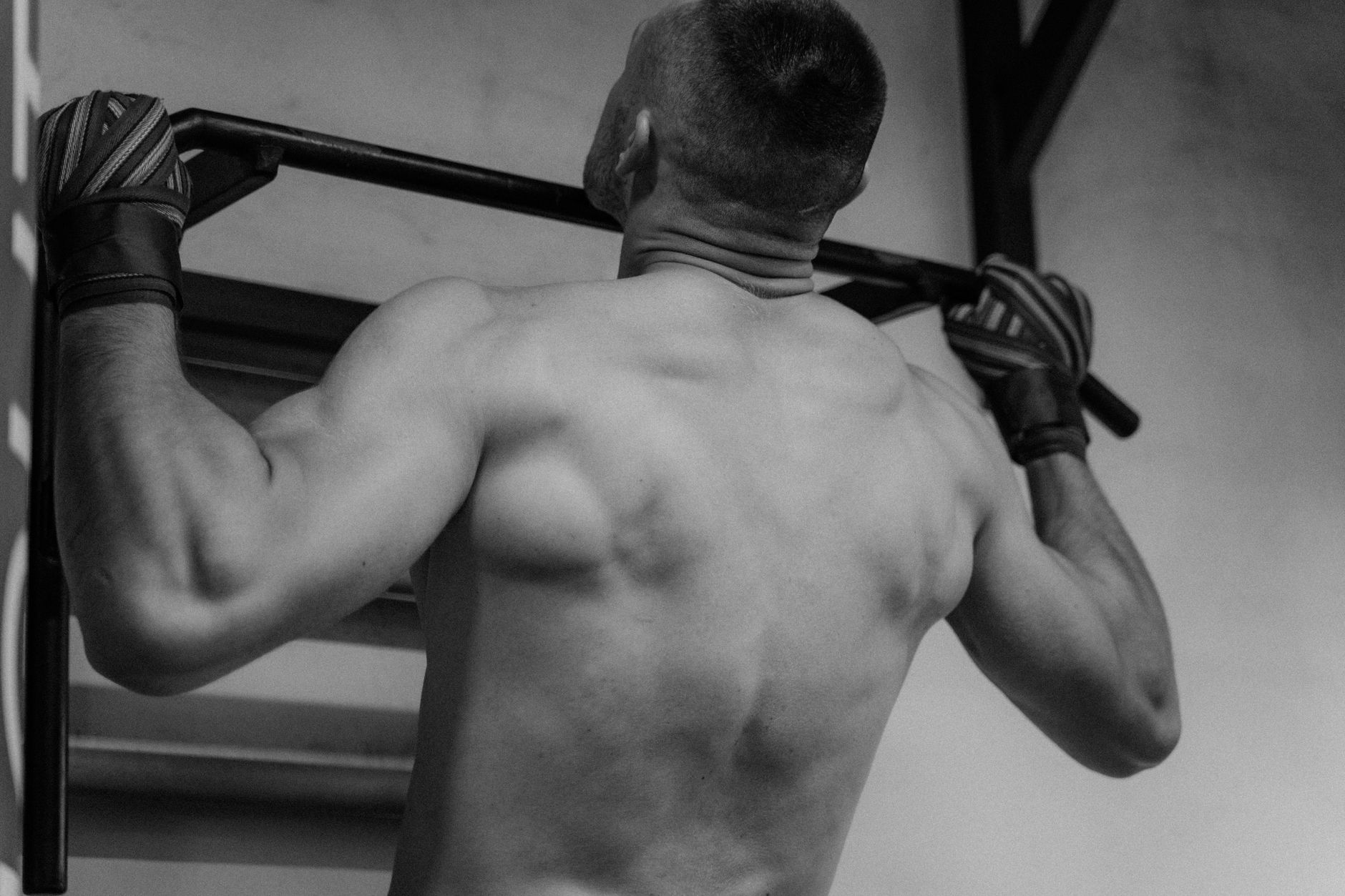
Primary: latissimus dorsi. The lats do most of the work on every pull-up, whatever the grip.
Secondary: biceps, brachialis, brachioradialis (forearm), rear deltoids, rhomboids, lower trapezius and the rotator cuff.
The neutral grip shifts more of the load onto the elbow flexors, especially the brachialis and brachioradialis. Your shoulders will thank you. Your forearms will file a complaint the next morning.
What it does less of is upper-back work. In a 2016 study by Dickie and colleagues, the overhand grip produced 60.1% peak activation in the middle trapezius, against 37.1% for the neutral grip. Our view: the neutral grip is the best pull-up for most people to do most often, but it should not be your only one. If you want a thicker upper back, keep overhand pull-ups in the programme too.
How to Do a Neutral Grip Pull Up
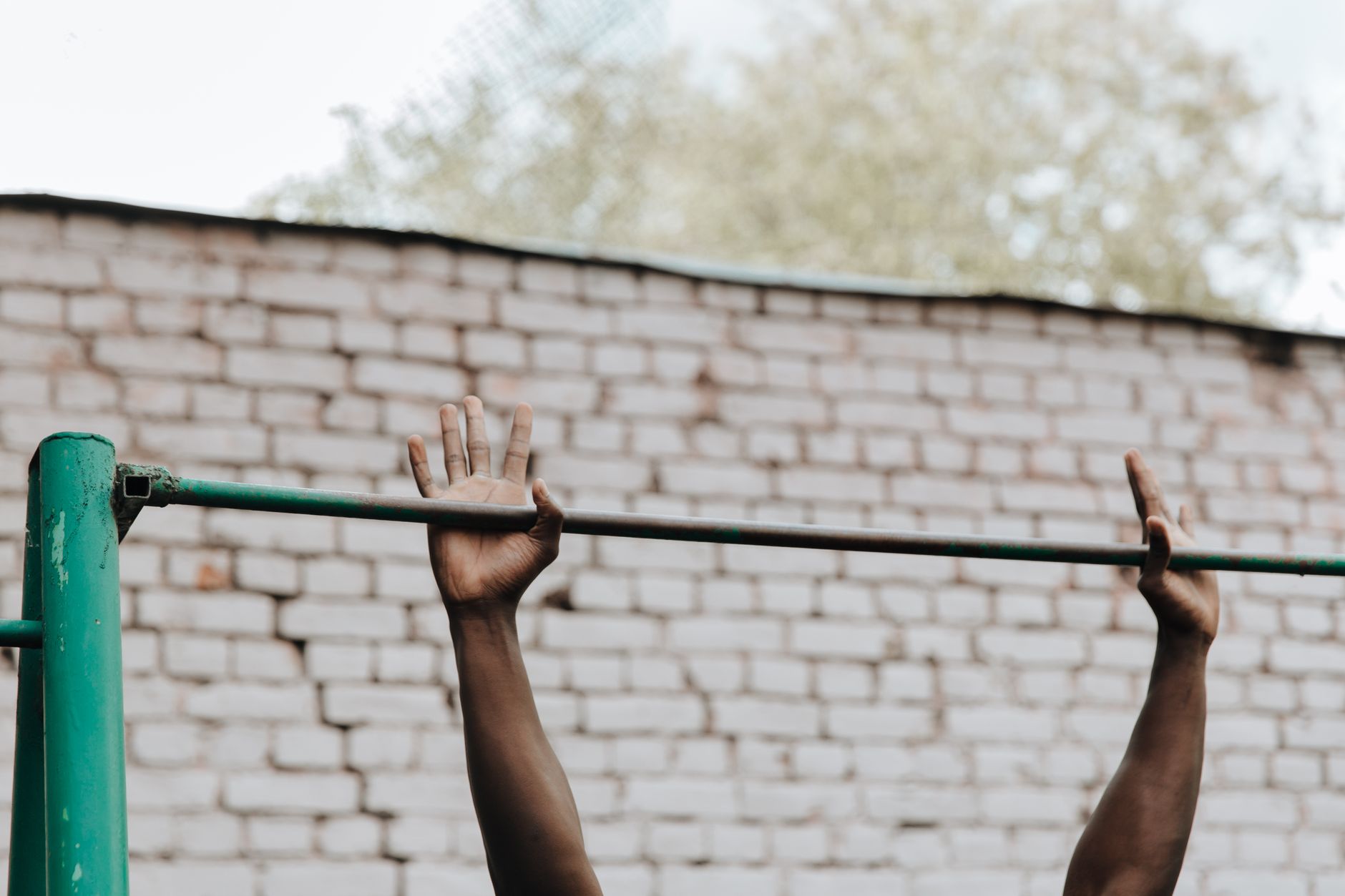
- Grip the parallel handles with your palms facing each other, wrapping your thumbs around.
- Hang with your arms straight. Squeeze your glutes and brace your stomach so your legs do not swing.
- Set your shoulders. Pull them down and slightly back before your elbows bend.
- Pull your elbows down towards your ribs until your chin clears the handles or your upper chest gets close to them.
- Lower yourself over 2 to 3 seconds until your arms are straight again. Then start the next rep from a dead stop.
Common mistakes
- Kipping. Swinging the legs turns it into a different exercise. Keep the reps strict.
- Half reps. Stopping short at the bottom skips the hardest part of the stretch.
- Shrugging up. If your shoulders climb towards your ears, you are pulling with your neck.
- Dropping fast. A one-second fall gives away half the training.
Neutral Grip vs Wide Grip Pull Up vs Chin-Up
| Grip | Palms | Emphasis | Difficulty |
|---|---|---|---|
| Neutral | Facing each other | Lats plus brachialis and forearms | Easiest for most |
| Chin-up | Facing you | Lats plus biceps | Similar to neutral |
| Overhand | Facing away | Lats plus middle trapezius | Harder |
| Wide overhand | Facing away | Upper lats, teres major | Hardest |
The wide grip takes the arms out of the movement, so the lats work with less help. It also puts the shoulder at its most rotated. If a wide grip hurts and a neutral grip does not, programme the neutral one.
Which Pull Up Bars Give You a Neutral Grip?

A straight bar will not give you a neutral grip. You need one of these:
- A parallel grip pull up bar or multi-grip bar. Wall-mounted and free-standing units often weld a pair of neutral handles between the wide grips. This is the simplest fix.
- A pull up and dip station. Many have neutral handles on the top frame. Check the photos, as not all do.
- Gymnastic rings. They let your wrists rotate freely, so most people settle into a neutral grip on their own.
- A close-grip V-handle hooked over a straight bar. It works, but the hands sit much narrower than shoulder width.
Heads up on doorway bars. Most tension-fit bars that claim a neutral grip have handles too close to the door frame for a full range of motion. Check the clearance before you buy one.
Sets, Reps and Progressions
Strength: 3 to 5 sets of 3 to 5 reps, resting 2 to 3 minutes.
Muscle size: 3 to 4 sets of 6 to 12 reps, resting 60 to 90 seconds.
Frequency: two or three times a week, with a rest day in between.
If you cannot do one yet
Loop a resistance band over the handles and stand in it, moving to a lighter band as reps get easy. Or jump to the top and lower yourself over 3 to 5 seconds.
If 12 reps are easy
Add weight with a dip belt or a weighted vest. Chalk or lifting straps help once your grip gives out before your back does.
When Not to Do Them
Straight up: skip neutral grip pull ups for now if you have elbow pain on the inside of the arm (golfer’s elbow) or a sore forearm. This grip loads the brachialis and brachioradialis harder than any other, which is exactly where those problems flare up. The same goes for anyone recovering from shoulder surgery without a physio’s go-ahead.
And do not buy a pull-up bar just for this exercise if you already have a lat pulldown machine with a neutral handle. A neutral-grip pulldown trains the same muscles and lets you adjust the load in smaller steps.
Frequently Asked Questions
Is a neutral grip pull up easier than a regular pull up?
For most people, yes. With your palms facing each other, the biceps and brachialis pull from a stronger position than they do overhand, so you get more help from your arms. That is why it is often the first strict pull-up variation beginners can do.
Do neutral grip pull ups build the lats?
Yes. The lats are still the main mover, whatever the grip. The neutral grip adds more arm flexor work on top and takes some load off the middle trapezius compared with an overhand grip.
Can I do neutral grip pull ups on a straight bar?
Not properly. A straight bar forces your palms to face away from you or towards you. You need parallel handles, gymnastic rings, or a close-grip V-handle hooked over the bar. A multi-grip or wall-mounted bar with neutral handles is the simplest option.
How many neutral grip pull ups should a beginner do?
Start with 3 sets, stopping each set 1 or 2 reps before failure, two or three times a week. If you cannot do one clean rep yet, use a resistance band for assistance or do slow negatives, lowering yourself over 3 to 5 seconds.
Are neutral grip pull ups better for your shoulders?
They are more comfortable for most people because the shoulder sits in a more natural, externally rotated position. That is not the same as automatically safe. Bad form, too much volume, or swinging reps will still irritate a shoulder on any grip.