

Fitness Equipment South Africa: A Buyer's Guide for Home Gyms
By Flexi Muscles — 24 September 2026 · 14 min read
Buying fitness equipment in South Africa comes down to three decisions. Decide what to buy first, check what the delivered price is to your area, and know what the law gives you if the item breaks. For most home gyms, start with dumbbells or kettlebells, a set of resistance bands and one piece of manual cardio equipment. Buy online from a specialist store and check the delivery fee for your region. Keep your proof of purchase, because the Consumer Protection Act gives you six months to return defective goods.
Shop Fitness Equipment at Flexi Muscles
Fitness equipment in South Africa: what to buy first

Start with the equipment that covers the most exercises per square metre. For almost everyone, that's something to add load, something to add resistance and something to raise your heart rate. A treadmill or a multi-station machine comes later, if it comes at all.
The reason is simple. Most home gym purchases fail on use, not on quality. A piece of fitness equipment that lives in the corner of the lounge gets used. One that needs a garage, an extension lead and ten minutes of setting up gets used for about three weeks.
The three-item starting point
- Load: a pair of adjustable dumbbells or one or two kettlebells. These cover squats, presses, rows, lunges, deadlifts and carries.
- Resistance: a set of resistance bands with at least three tension levels. Bands handle warm-ups, glute work, assisted pull-ups and rehab movements that iron does badly.
- Cardio: a skipping rope or a rebounder. Both fit in a cupboard, neither needs a plug, and both give you a hard session in under 20 minutes.
That combination handles a full-body strength session three times a week, plus short cardio sessions in between. The World Health Organization's physical activity guidelines recommend muscle-strengthening work on two or more days a week alongside regular aerobic activity. These three items cover both.
When you don't need to buy anything yet
If you haven't trained consistently for a month, don't buy equipment yet. Do four weeks of bodyweight squats, push-ups, lunges and planks first. If you stick with it, you'll know which movements you want to load, and you'll buy the right things. If you don't stick with it, you've saved your money. No dumbbell has ever made someone get up at 5:30.
The main types of exercise equipment, and who each suits
Every South African fitness retailer groups its range into roughly the same five categories. What changes from one store to the next is the depth of each range and whether it's aimed at home users or commercial gyms. Here's what each category is for and who should skip it.
Strength equipment
Dumbbells, kettlebells, barbells, weight plates, benches and racks. This is where most home gyms should spend the bulk of their budget, because iron doesn't wear out and it scales with you. A pair of dumbbells you buy this year will still work in twenty years.
Skip the barbell and rack if you train in a flat with a thin floor or have nowhere to store a 2.2 m bar. Dumbbells and kettlebells give you most of the same training in a fraction of the space. Browse the dumbbell range or the wider strength training collection to see what fits.
Cardio equipment
Treadmills, exercise bikes, rowers, stair steppers, rebounders and skipping ropes. Large motorised cardio machines are the category most likely to go unused. Buy one only if you already do that exact activity regularly, such as running outdoors three times a week and wanting to keep going through winter.
For everyone else, a rebounder or stepper does the job with a smaller footprint and no plug. Our cardio collection leans towards compact equipment for this reason.
Functional training equipment
Battle ropes, wall balls, suspension trainers, gymnastic rings, sliders and plyo boxes. These are brilliant for conditioning and variety. They're also the first items to gather dust if you don't have a programme that uses them. Buy one functional item at a time, once you know where it fits in your week.
Accessories
Lifting belts, straps, gloves, wrist wraps, mats and ab wheels. Accessories make the big equipment safer and more comfortable to use, but they don't replace it. A beginner does not need a lifting belt. A beginner deadlifting with a kettlebell needs a mat and some coaching videos. Add them once your main lifts start climbing.
Flooring and recovery
Rubber gym flooring, foam rollers and massage tools. Flooring is worth buying before you think you need it if you're dropping weights on tiles or a suspended wooden floor. Recovery tools are nice to have, not essential.
| Category | Buy it if | Skip it if |
|---|---|---|
| Strength | You want to build muscle or strength at home | Rarely a skip, just scale the size to your space |
| Motorised cardio | You already run or cycle several times a week | You're hoping the machine will create the habit |
| Compact cardio | You want short, low-impact sessions in a small space | You're training for a race and need specific running volume |
| Functional | You follow a programme that calls for it | You're buying it because it looked good in a video |
| Accessories | Grip, wrists or lower back are limiting your lifts | You're still learning the movements |
Buying gym equipment online in South Africa vs a showroom
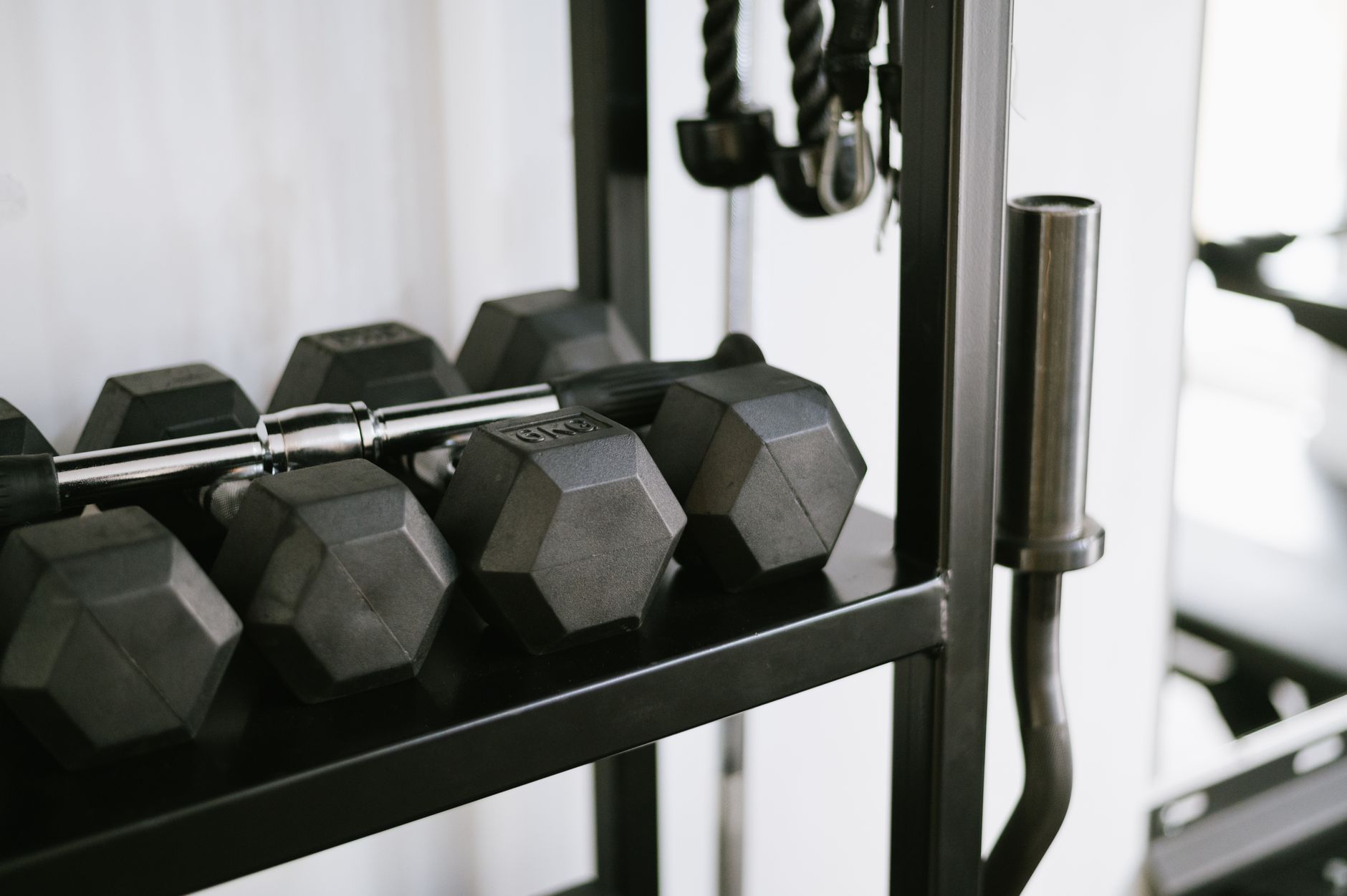
For most home fitness equipment, buy online. For anything big, motorised or expensive that you need to test first, visit a showroom. The large specialist retailers keep showrooms in Johannesburg, Cape Town and a few other metros. If you live outside those cities, you're buying online either way.
Where online wins
- Range: an online store can list far more sizes, weights and variants than a showroom can display.
- Price: lower overheads usually mean a lower listed price.
- Information: good product pages list dimensions, weight limits and materials. That tells you more than squeezing a dumbbell handle in a shop does.
- Reach: delivery goes to towns that don't have a fitness store at all.
Where a showroom wins
- Feel: treadmill decks, bike saddles and bench padding are personal. Trying them first saves an expensive return.
- Installation: commercial suppliers bundle delivery, assembly and servicing, which matters for machines with motors and cables.
- Finance and design: some commercial suppliers offer finance plans and 3D gym layouts for full fit-outs.
When not to buy from us
If you're fitting out a commercial gym, a hotel gym or a corporate wellness room, go to a commercial supplier with installation teams and service contracts. The same applies if you want a motorised treadmill with an on-site technician. Flexi Muscles is built around home setups: dumbbells, bands, rebounders, compact cardio and accessories that arrive in a box and work without a technician. We'd rather send you to the right place than sell you the wrong thing.
How to judge an online store before you pay
- A physical address and a South African contact number on the site.
- A published returns policy that mentions the seven-day cooling-off period. The law requires it for online sales (see warranties and returns below).
- Delivery costs shown before checkout, not added at the last step.
- Product specifications with real dimensions and maximum user weights, not just lifestyle photos.
- Stock held locally. Items shipped from overseas can take weeks and may attract customs charges.
Delivery, assembly and getting heavy kit into the house
Delivery is where the cheapest price online stops being the cheapest price. Couriers charge by weight and volume, and fitness equipment is heavy by design. Always compare the delivered total.
What drives delivery cost
- Weight: plates, dumbbells and kettlebells cost more to ship than their box size suggests.
- Size: benches, racks and rebounders are light for their size but take up a lot of van space.
- Region: main-centre deliveries are usually cheaper and faster than outlying and rural areas. Check the store's delivery page for your postal code.
- Free-delivery thresholds: many stores waive delivery above a set order value. Grouping purchases into one order can save a full delivery fee.
Before the courier arrives
- Measure the doorways, stairwell and the spot where the equipment will live. Boxes are bigger than the assembled product.
- Check whether the delivery is to the kerb or into the house. Couriers normally deliver to the door, not up three flights of stairs.
- If you live in a complex or estate, tell security a delivery is coming, and give the courier the gate code or unit number.
- Have a second person home for anything over 25 kg.
Assembly
Most home fitness equipment is either ready to use or takes under an hour to assemble with the tools in the box. Benches, racks and rebounders with bungees or folding legs need care. Tighten the bolts in stages rather than fully tightening one corner first, and re-check them after the first week of use. Anything that needs wiring or a dedicated plug point should go to a professional installer.
Warranties, returns and your rights as a buyer
Two laws cover you when you buy fitness equipment in South Africa. The Consumer Protection Act covers the quality of what you buy. The Electronic Communications and Transactions Act covers online purchases. Neither depends on the store's own policy, and a store can't sign away your rights under either.
The six-month implied warranty
Section 56 of the Consumer Protection Act gives you an implied warranty of quality on new goods for six months after delivery. If a bench weld cracks, a dumbbell handle spins loose or a band splits under normal use in that period, you can return it. You choose whether you want a repair, a replacement or a refund. The supplier carries the risk and cost of the return.
This covers defects, not damage from misuse. Dropping a dumbbell from overhead onto concrete isn't a manufacturing fault. Leaving a latex band in the sun for a summer isn't one either.
Manufacturer warranties
Many brands offer their own warranty on top of the legal minimum, sometimes for years on frames and shorter terms on moving parts. Read what's covered. A long frame warranty sounds generous, but on a treadmill it's the motor and belt that fail, not the frame.
The seven-day cooling-off period for online orders
Section 44 of the Electronic Communications and Transactions Act lets you cancel an online purchase within seven days of receiving the goods. You don't have to give a reason. The only charge the seller can pass on is the direct cost of sending the goods back.
On a heavy set of plates or a boxed bench, that return cost adds up. The cooling-off period is a safety net, not a free trial. Measure first and buy once.
Keep these records
- The invoice or order confirmation email.
- The delivery date, which starts both the six-month and seven-day clocks.
- Photos of the item on arrival, especially if the box was damaged.
New vs second-hand fitness equipment
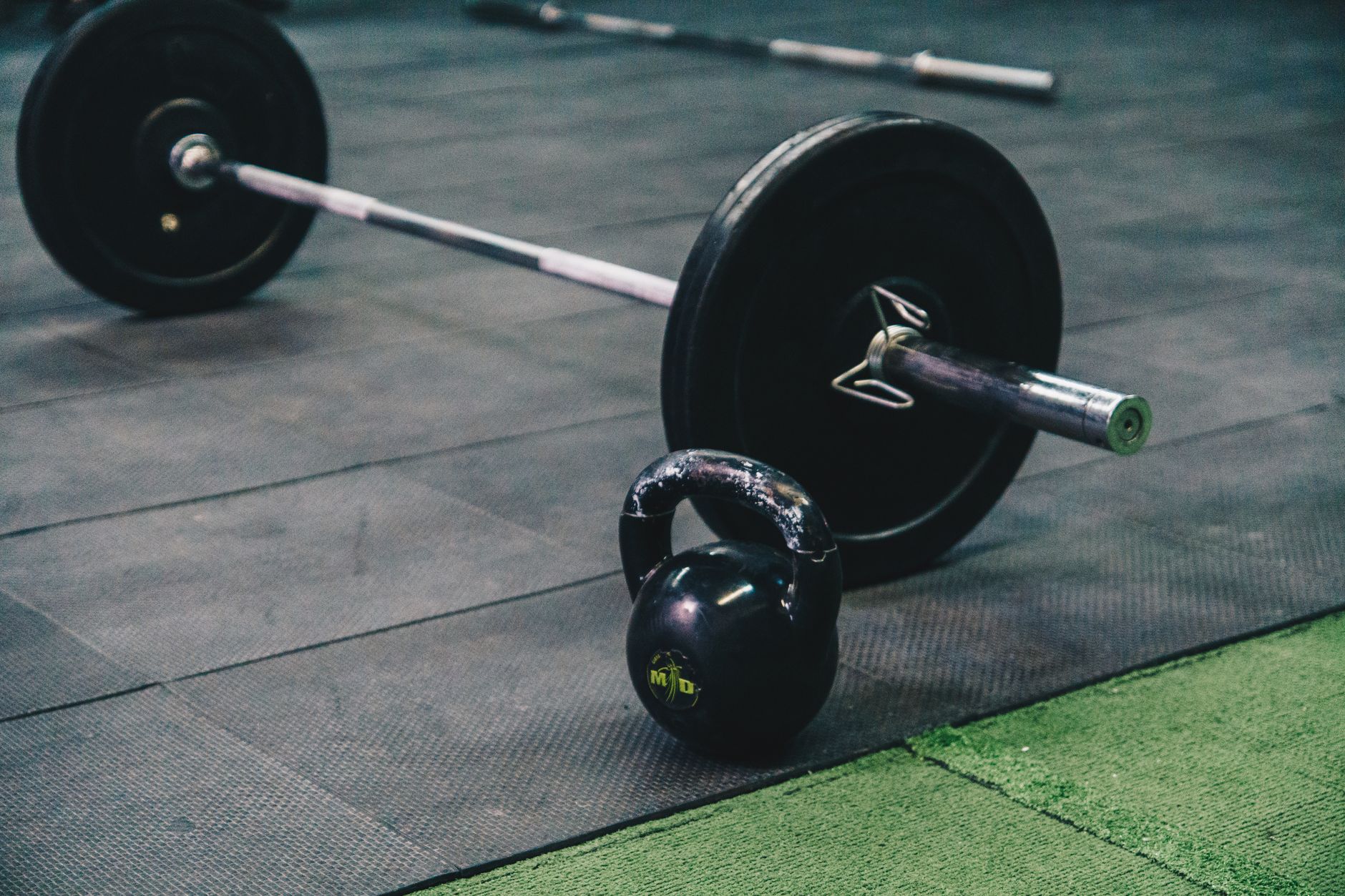
Buy simple iron second-hand if you find a good deal. Buy anything with moving parts, elastic or electronics new. That one rule covers most of the decision.
Safe to buy second-hand
- Cast iron dumbbells, kettlebells and plates. Surface rust cleans off with a wire brush. A kilogram of iron is still a kilogram of iron.
- Solid barbells, as long as the bar is straight. Roll it on a flat floor and watch the ends.
- Simple flat benches with no cracked welds and padding that isn't split.
Buy new
- Resistance bands. Latex degrades with sun and age, and a band that snaps mid-rep hits hard. Tiny surface cracks are hard to spot until it fails.
- Rebounders. Springs stretch and bungees lose tension. Worn mats tear. You're bouncing your full body weight on these parts.
- Motorised treadmills and cable machines. Motors, belts, pulleys and cables wear invisibly. Repairs can cost more than the discount you got.
- Lifting belts and straps, where stitching and buckles carry the load.
The trade-off nobody mentions
A private seller on a classifieds site isn't a supplier under the Consumer Protection Act, so the six-month warranty doesn't apply. If the item fails a week later, that's your problem. Price second-hand equipment with that risk built in. If the saving on a used item is small, new with a warranty is the better buy.
Coastal air, power cuts and other local realities
Most fitness equipment advice online is written for homes in the US or UK. South African homes deal with a few things those guides skip.
Coastal humidity and rust
If you live in Durban, Cape Town, Gqeberha, East London or anywhere near the sea, salt air will rust bare iron. It happens faster than inland. Unpainted cast iron plates in a Durban garage can pick up surface rust within weeks.
- Choose rubber-coated, vinyl-coated or powder-coated weights and frames where you can.
- Wipe sweat off handles and bars after each session. Sweat is salt water too.
- A light coat of oil on a barbell sleeve and a monthly wipe-down with a dry cloth goes a long way.
- Keep equipment off bare concrete floors, which pull moisture up. A rubber mat underneath solves this.
Heat and direct sun
Garages and patios get very hot in summer. Heat and UV break down latex bands, rubber coatings and bench vinyl. Store bands indoors, out of direct sunlight. If your gym is on a covered patio, a simple cover over the bench stops the vinyl cracking.
Power cuts
A home gym built on manual fitness equipment keeps working when the power goes off. Dumbbells, kettlebells, bands, rebounders, skipping ropes, pull-up bars and most steppers don't need electricity. A motorised treadmill does. If power reliability in your area is patchy, weigh that before spending your budget on anything with a plug. Our rebounder trampolines are a popular non-electric cardio option for this reason.
Space
Many South Africans train in a flat, a townhouse or a spare corner of a bedroom rather than a double garage. Buy equipment that folds, stacks or hangs. Adjustable dumbbells replace a full rack. A folding rebounder slides under a bed. A door-frame pull-up bar comes down after each session.
Building home gym fitness equipment in stages
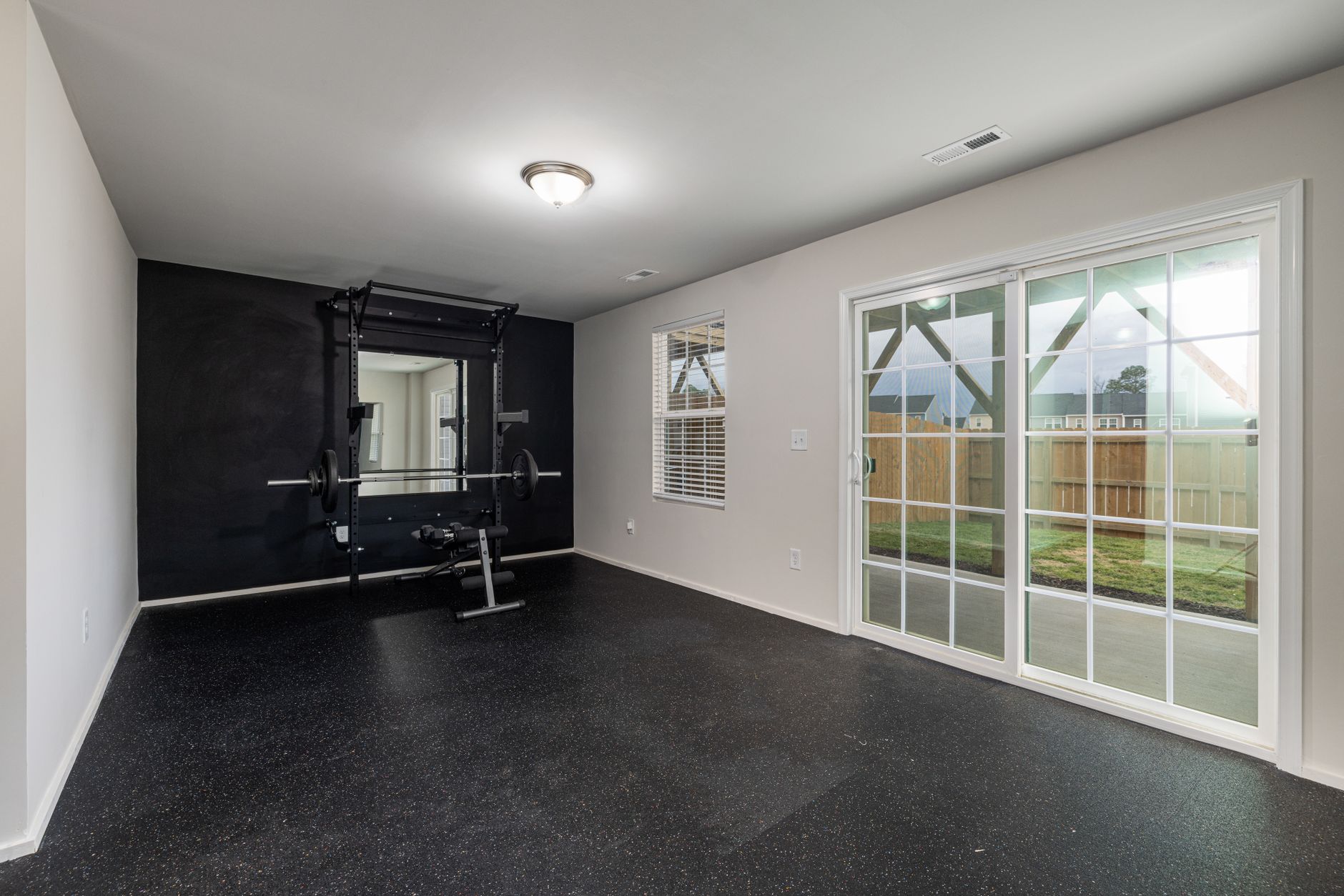
Build a home gym in stages, and let what you actually use decide the next purchase. Buying a full setup on day one feels efficient. In practice, half of it ends up unused, because you didn't know yet what your training would look like.
Stage 1: the first month
- Resistance bands with three or more tension levels.
- One kettlebell or a light pair of dumbbells.
- An exercise mat.
- A skipping rope.
This is enough for three full-body sessions a week. Bands and a single kettlebell are the cheapest way to find out whether training at home sticks.
Stage 2: months two to six
- Heavier dumbbells, or an adjustable pair that goes heavier.
- An adjustable bench, which opens up presses, rows and step-ups.
- One compact cardio item, such as a rebounder or stepper, if you want longer cardio sessions.
- A pull-up bar, if you have a suitable door frame or wall.
Stage 3: six months and beyond
- A barbell, plates and a rack, if you're lifting heavy enough that dumbbells limit you.
- Rubber flooring under the lifting area.
- Accessories such as a lifting belt, straps or wrist wraps, once your lifts call for them.
- Storage racks to keep the growing collection off the floor.
Where to spend and where to save
Spend on anything that carries your body weight or sits above your head: benches, racks, pull-up bars and rebounder frames. A cheap bench that wobbles under a dumbbell press is a genuine injury risk. Save on anything that's just mass. A plain cast iron kettlebell and an expensive branded one weigh the same, and your muscles can't tell the difference.
Frequently Asked Questions
Where can I buy fitness equipment in South Africa?
You can buy it from specialist online stores, retailers with physical showrooms in the major metros, general marketplaces, and second-hand platforms. For home equipment like dumbbells, bands, kettlebells and rebounders, a specialist online store usually gives you the best mix of range, product detail and delivery. For large commercial machines that need installation and servicing, a commercial supplier with a showroom and service teams is the better fit.
Is it cheaper to buy gym equipment online in South Africa?
Often, yes, because online stores carry lower overheads than showrooms. The saving can disappear once delivery is added, especially on heavy items like weight plates and racks. Compare the delivered price, not the listed price, and check whether the delivery fee changes by region.
What warranty do I get on fitness equipment in South Africa?
Under section 56 of the Consumer Protection Act, new goods carry an implied warranty of quality for six months after delivery. If an item is defective in that period, you can return it and choose a repair, replacement or refund. Many brands add their own manufacturer warranty on top of this, so check both.
Can I return fitness equipment I bought online?
Yes. Section 44 of the Electronic Communications and Transactions Act gives you a seven-day cooling-off period after you receive goods bought online. You can cancel without giving a reason, and the only cost the seller may charge you is the direct cost of returning the goods. On heavy equipment that return cost can be significant, so measure your space before you order.
Is second-hand gym equipment worth buying?
For simple iron like dumbbells, kettlebells and weight plates, second-hand is often good value because there is almost nothing to break. For anything with a motor, cables, bearings or elastic parts, such as treadmills, cable machines, resistance bands and rebounder bungees, buy new. Wear on those parts is hard to see and second-hand goods carry no Consumer Protection Act warranty from a private seller.
What fitness equipment works without electricity?
Everything that runs on your own effort: dumbbells, kettlebells, barbells and plates, resistance bands, rebounders, skipping ropes, pull-up bars, benches and most stair steppers. Only motorised treadmills and powered consoles on some bikes and rowers need a plug, so a home gym built on manual equipment keeps working through a power cut.