

Dumbbell Barbell Converter: How It Works and Whether You Actually Need One

By Flexi Muscles — 29 July 2026 · 9 min read
A dumbbell barbell converter is a steel bar with a clamp on one end that bolts around a single dumbbell handle. The other end is a standard 25mm sleeve you load with plates, turning the dumbbell into a short two-handed barbell. It solves one specific problem: you already own dumbbells, you want to bench press or row with a bar, and you do not have the space or budget for a full Olympic barbell and rack. It is not a barbell replacement, it is a workaround for a smaller home gym.
Shop Dumbbells at Flexi Muscles
What Is a Dumbbell Barbell Converter?

Strip it down to parts and a converter bar is two things: a clamp and a sleeve. The clamp is a two-piece steel bracket that closes around your dumbbell's handle and bolts shut. The sleeve extends out from the clamp on a standard 25mm (1-inch) shaft, the same diameter as a basic home-gym barbell, so it accepts the same plates.
The result looks like a stubby barbell with a dumbbell head fixed in the middle. You still own and use your existing dumbbells, this accessory just gives you a second way to load them. It is the simplest way to convert dumbbells to barbell training without buying a second piece of equipment, aimed squarely at people who bought dumbbells first and want barbell-style pressing, rowing and curling.
It is worth being clear about what it is not. A converter bar is not rated the same as a purpose-built Olympic barbell, it does not spin on bearings, and most versions have no centre knurling. Treat it as an accessory that extends what your dumbbells can do, not as a barbell in its own right.
How a Converter Bar Works
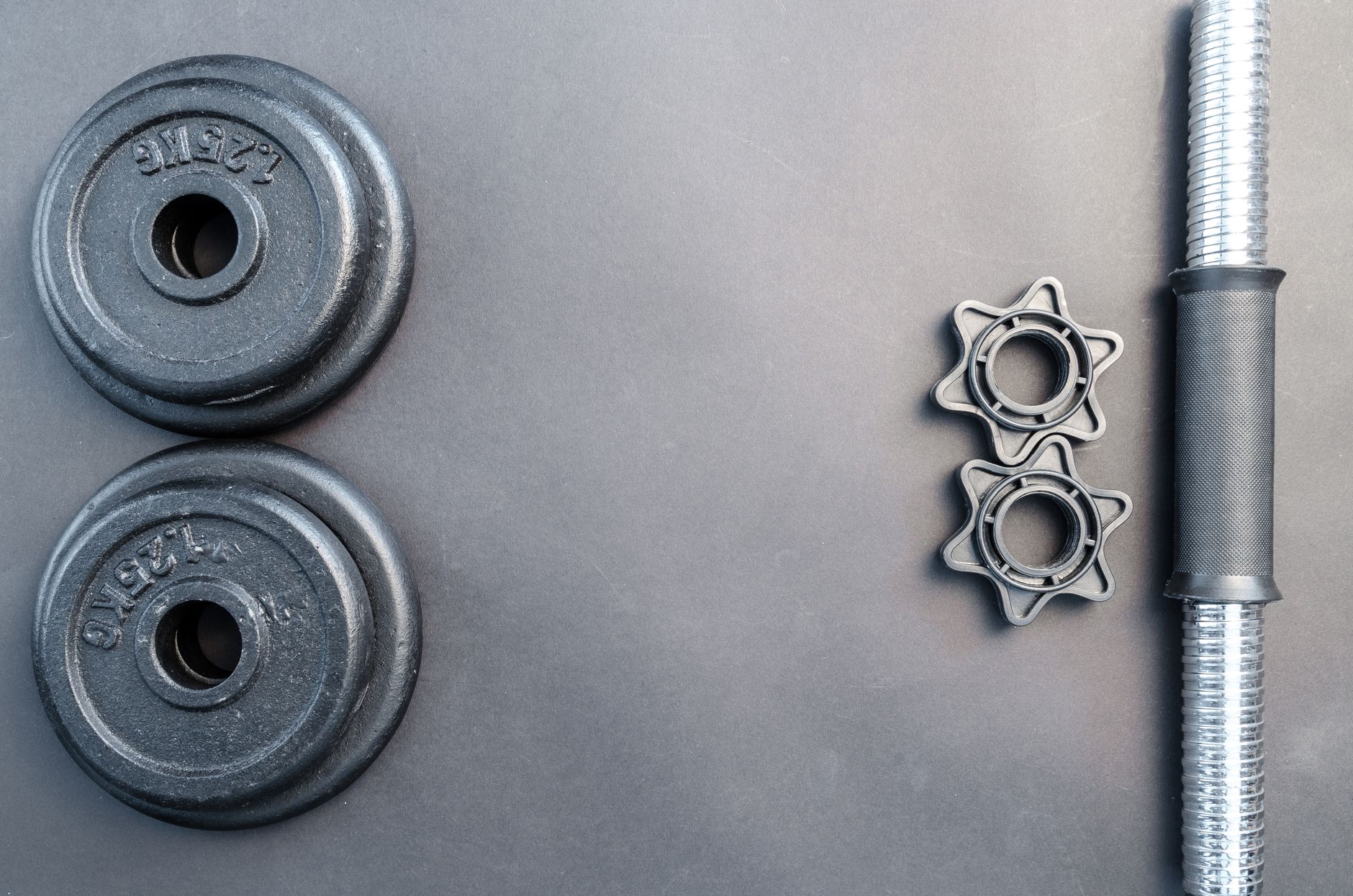
Setup takes four steps. Open the clamp, seat the dumbbell handle in the cradle, close the clamp and tighten the bolts by hand, then load plates on both ends before locking them with collars. The order matters less than one rule: whatever weight goes on one side has to be matched on the other. A converter bar with 10kg on the left and 15kg on the right does not sit level, and it torques the clamp every time you press or row it.
Sleeve diameter is the detail most buyers miss. Converter bars are built for standard 25mm-hole plates, the same ones sold with entry-level dumbbell and barbell sets. Olympic plates use a 50mm centre hole and will not fit a converter sleeve without a separate bushing adapter, which most people do not own. If your existing plate collection is Olympic, check compatibility before you order, not after.
Why the Same Weight Feels Heavier With Dumbbells
This is the question behind most searches on the difference between dumbbell and barbell training, and most "dumbbell to barbell converter" searches that are not about buying hardware at all: people want to know why a barbell bench press and two dumbbells of the same total weight do not feel equivalent. The short answer is stability. On a barbell, both arms share one rigid object, so the bar itself does the work of keeping the load balanced. On dumbbells, each arm stabilises its own weight independently, which recruits more stabiliser muscle and caps how much total weight you can control with good form.
A 2011 study published in the Journal of Sports Sciences found lifters pressed close to 20 percent more total weight with a barbell than with a pair of dumbbells at matched effort. That gap is the reason a converter bar changes how a familiar dumbbell weight feels: clamping two 15kg dumbbells' worth of plates onto one rigid bar removes the independent stabilisation demand, so the same number on the plates moves differently than it does as a pair of dumbbells.
Exercises You Can Do With a Converter Bar
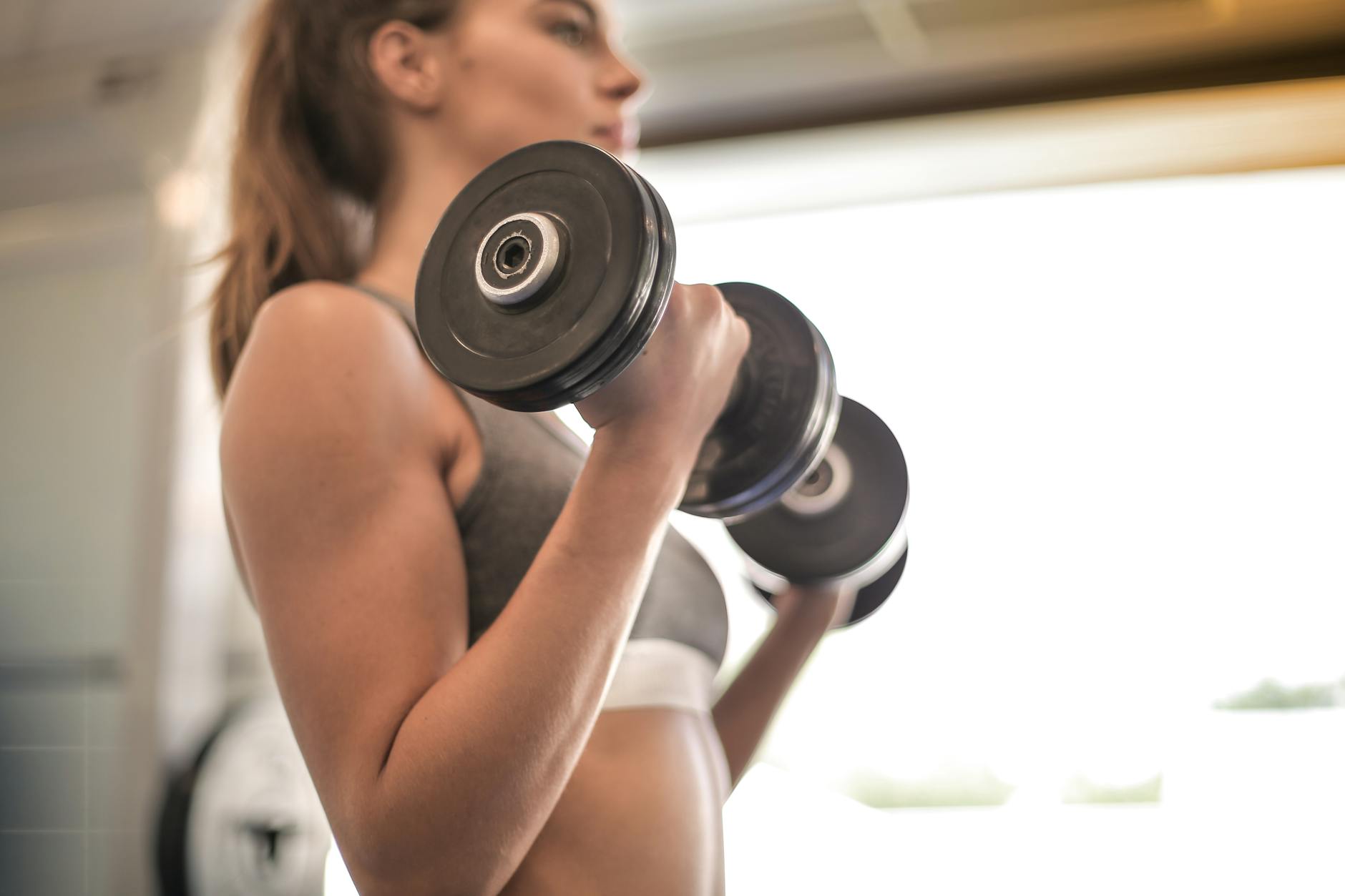
A converter bar suits exercises where you control the bar from a seated, kneeling or standing start, and struggles with anything that needs a rack to get into position safely. The strongest fits are:
- Flat and incline bench press — the single best use case, since you unrack it off your own knees or a bench rather than a rack.
- Bent-over row — a converter bar's shorter length is an advantage here, it clears the floor with less setup room than a full barbell.
- Overhead press — start from the shoulders, not the floor, and keep the load conservative until you know how the clamp handles overhead torque.
- Romanian deadlift — hip-hinge from standing, no unracking required.
- Bicep curl and skull crusher — arm work is where converter bars feel most like a normal barbell, since the loads are lighter and the range of motion is short.
- Deadlift from the floor — workable at light to moderate loads, though the shorter bar length means a narrower foot stance than an Olympic deadlift bar allows.
Back squats are the weak point. You would need to clean the bar to your shoulders before every set, which is awkward with plates already loaded and adds a limiting factor before your legs are even the constraint.
How to Choose the Right Converter Bar

Five things separate a converter bar that lasts from one that loosens after a month:
- Sleeve diameter — confirm 25mm before ordering if your plates are the standard home-gym size, or check for an Olympic-compatible bushing if yours are 50mm.
- Weight rating — most converters are rated 90 to 150kg combined, dumbbell included. The clamp bolts are usually the failure point, not the steel bar itself, so buy from the top of your intended weight range, not the bottom.
- Clamp mechanism — bolt-through clamps hold tighter under repeated loading than quick-release cam clamps, at the cost of a slower changeover between exercises.
- Bar length — typically 90 to 100cm end to end. Measure your bench, doorway and ceiling height before buying if you plan to press or curl indoors near furniture.
- Collars included or not — most converter bars ship with the clamp only. Budget separately for a pair of 25mm spring or screw collars, since an unlocked plate on a short bar shifts sooner than it would on a full-length barbell.
- Handle shape — most clamps are built for round, fixed-weight dumbbell handles. Adjustable barbell dumbbells with a dial or pin-select mechanism often have a wider or irregular handle, so check the clamp's opening width before buying if your set is an adjustable dumbbells and barbell set rather than fixed plates.
Converter Bar or a Full Barbell?
A converter bar wins on cost and storage. It stores flat with your existing dumbbells, needs no rack, and costs a fraction of an Olympic barbell and bench setup. If your home gym is a corner of a room and you are pressing a pair of 15 to 20kg dumbbells, it genuinely extends what that equipment can do.
It stops making sense once your working weight outgrows the clamp's realistic capacity. If you are already loading more than a pair of 20kg dumbbells for bench press, buy a proper barbell instead — you will hit the converter's practical ceiling on bolt torque and bar flex before the money you saved on space matters. A short 25mm bar under heavy load bends more than a full-length Olympic bar built for that purpose, and that flex is what most buyers notice first when they have outgrown the accessory.
Skip the converter altogether and go straight to a full barbell if you already have room for a squat rack, if you train past intermediate strength levels, or if your plates are Olympic-hole rather than standard. In those cases the converter is a detour, not a shortcut. If you are starting from zero rather than adapting equipment you already own, buying a barbell and dumbbell set outright is often the more straightforward route, since it is built for both from day one instead of retrofitted.
Using a Converter Bar Without a Squat Rack
Most people buying a converter bar do not own a rack, that is usually the reason they chose it over a full barbell in the first place. That changes how you should approach the higher-risk lifts.
For bench press, unrack the bar off your knees while seated on the bench, roll it to your chest, then press. Keep loads conservative enough that you can control that transition yourself, since there is no rack or spotter arm to bail to. For overhead press, start the bar at shoulder height from a clean rather than pulling it off a rack. For squats, either skip the converter and use dumbbells directly at your sides, or clean the loaded bar to your shoulders before each set, accepting that your grip and clean strength become the limiting factor rather than your legs.
Rows, curls, RDLs and floor-start deadlifts carry the least risk without a rack, since you never need to get a loaded bar overhead or onto your back. If your home gym has no rack and no plan to add one, build your converter-bar routine around those movements first.
Common Mistakes to Avoid
- Loading plates unevenly. Match the weight on both ends every time, even for a quick set. An unbalanced converter bar torques the clamp under load.
- Skipping collars. A plate that slides mid-rep on a short bar shifts your centre of balance faster than it would on a full-length barbell.
- Assuming Olympic plates will fit. Confirm sleeve diameter before you buy, not when the plates arrive.
- Treating it as a max-effort barbell. A converter bar flexes more under heavy load than a purpose-built barbell. Save true one-rep tests for real barbell equipment.
- Ignoring bar length near furniture. A 90 to 100cm bar needs more side clearance than a dumbbell does, check the space before your first overhead rep.
Frequently Asked Questions
What is a dumbbell barbell converter and how does it work?
A dumbbell barbell converter is a short steel bar with a clamp on one end that bolts around a dumbbell handle. The other end is a standard 25mm sleeve you load with plates, so the dumbbell becomes the centre of a short barbell you can press, row or curl with both hands.
How much weight can a dumbbell barbell converter hold?
Most converter bars are rated for a combined load of 90 to 150kg, including the dumbbell itself and the plates on both ends. The clamp, not the steel, is usually the limiting factor, so check the manufacturer's stated capacity rather than assuming it matches a standard Olympic barbell.
Can I use Olympic plates on a dumbbell barbell converter?
No, not without an adapter. Converter bars use a 25mm (1-inch) sleeve to match standard plates. Olympic plates have a 50mm centre hole and will not fit unless you buy a separate bushing adapter, which most home gyms do not have on hand.
Do I need to buy collars separately for a converter bar?
Yes, in most cases. Converter bars typically ship with the clamp mechanism only, not locking collars for the plates. Buy a pair of spring or screw collars rated for a 25mm sleeve, since loose plates on a converter bar shift more than they do on a full-length barbell.
Is a dumbbell barbell converter safe for squats or overhead presses?
It is safe at light to moderate loads if you can lift the bar into position yourself, since converter bars are not designed to be used with a squat rack. They are less suited to squats and overhead presses than to bench press, rows and curls, where you control the bar from a seated or standing start.
Why does the same weight feel heavier with dumbbells than a barbell?
With dumbbells, each arm stabilises its own load independently, which recruits more stabiliser muscle and limits how much total weight you can control. A 2011 Journal of Sports Sciences study found lifters pressed close to 20 percent more weight with a barbell than with dumbbells at the same effort.
Related at Flexi Muscles
- Shop dumbbells for home training
- Barbell collars, clips and other fitness accessories
- Browse full strength training equipment