

Cast Iron Dumbbells: What they're good for and when to skip them

By Flexi Muscles — 30 August 2026 · 7 min read
Dumbbells cast iron are moulded from solid iron with no rubber or urethane coating over the metal, which is what makes them the cheapest dumbbell type for a given weight. They cost less, take up marginally less space, and last for decades if the finish is looked after. The trade-off is noise, floor risk, and a paint finish that eventually chips and exposes the metal to rust. Whether that trade-off makes sense depends on your floor, your space, and how much you care about the clank.
Shop Strength Training Equipment at Flexi Muscles
What are cast iron dumbbells
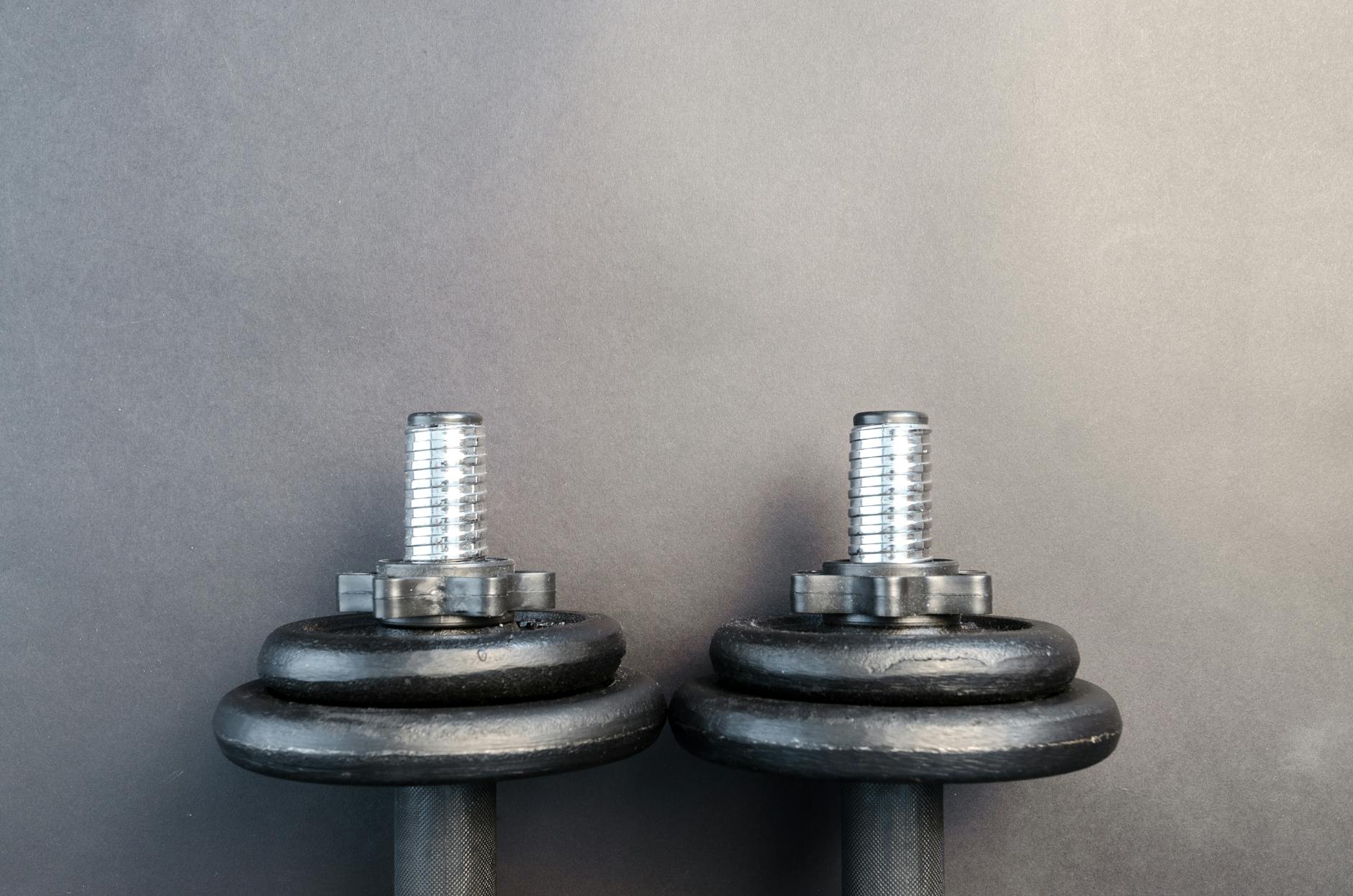
A cast iron dumbbell is moulded from a single piece of iron in one casting process, usually finished with a coat of paint or a knurled grip section rather than an outer layer of rubber or urethane. Most gym weghts dumbell sets you will see in older commercial gyms are cast iron — it is the oldest and simplest dumbbell construction still in wide use.
Shape varies between round-head and hex-head designs. A dumbells hexagon set has flat sides that stop the dumbbell rolling across the floor when set down, which is why hex has largely replaced the round shape for fixed-weight cast iron sets.
Cast iron vs rubber-coated vs chrome dumbbells

| Cast iron | Rubber-coated | Chrome / steel | |
|---|---|---|---|
| Price for a given weight | Lowest | Mid-range | Highest |
| Floor protection | Poor without matting | Good | Poor without matting |
| Noise when set down | Loud clank | Quiet | Loud clank |
| Rust risk | Yes, once finish chips | No, coating protects the core | Low, chrome resists corrosion |
| Compact storage | Best | Slightly bulkier per kilogram | Best |
A multi weight dumbell setup built from cast iron plates and a handle costs meaningfully less than the same total weight in a rubberised bumbell set, but that saving comes with the maintenance and floor considerations covered below.
Advantages of cast iron dumbbells
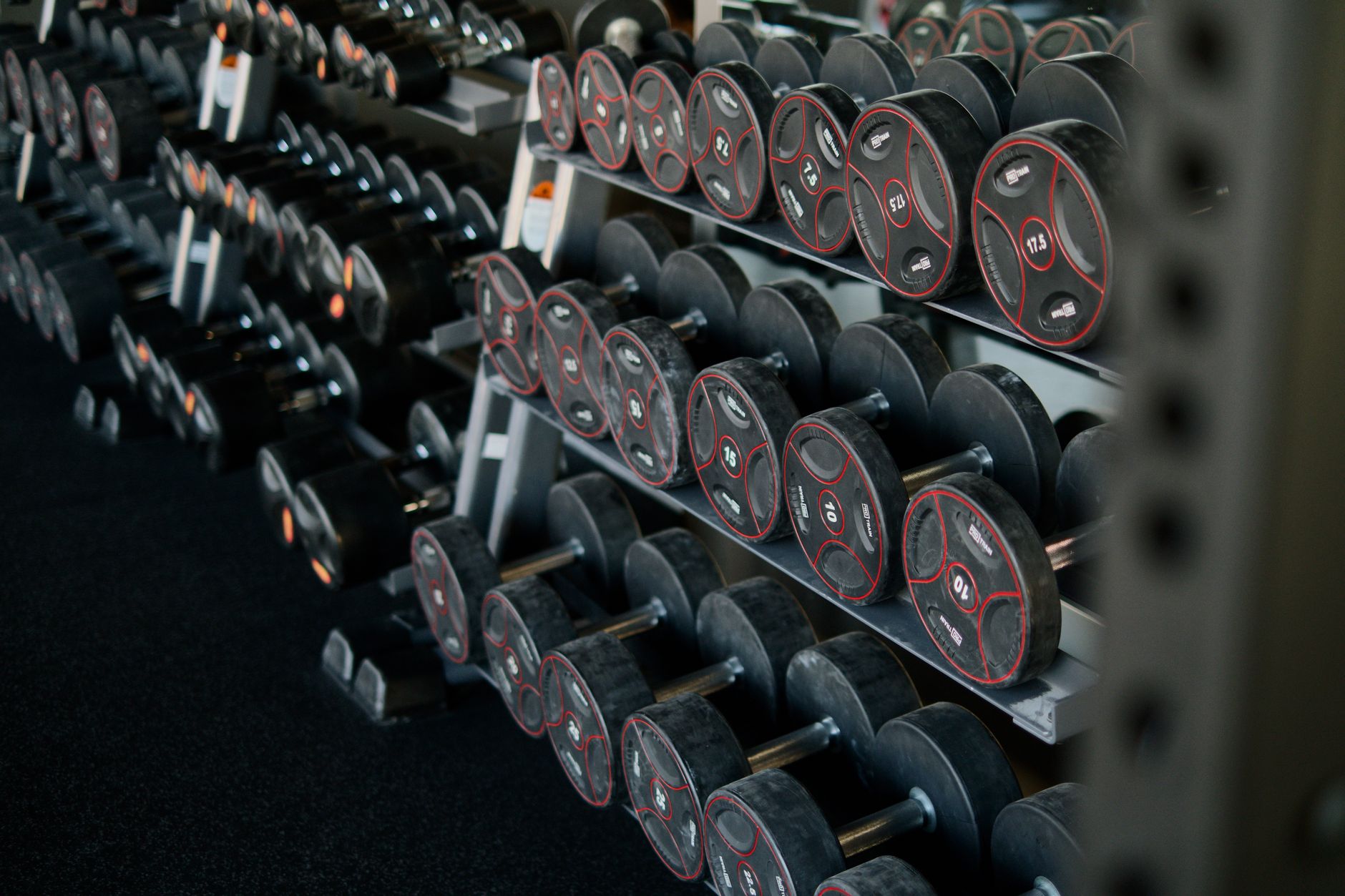
Lower cost per kilogram
Because there is no rubber, urethane, or chrome plating to manufacture and apply, cast iron is consistently the cheapest gym equipment bumbell option for a given weight. This matters most when buying a full multi-weight set rather than a single pair.
Long core lifespan
The iron itself does not wear out, crack, or degrade the way rubber coatings eventually do after years of impacts. A set with a well-maintained finish will outlast most rubber-coated alternatives structurally, even if it needs more upkeep along the way.
Compact footprint
Without a rubber or urethane shell adding bulk, cast iron dumbbells are slightly smaller for the same weight than a coated equivalent, which matters marginally in a small home gym where every centimetre of storage counts.
Limitations of cast iron dumbbells
Floor and equipment risk
Set down carelessly on tile, wood, or bare concrete, cast iron chips both the floor and the dumbbell's own paint finish. Rubber-coated equivalents absorb that impact instead of transferring it.
Noise
The metal-on-metal or metal-on-floor clank is louder than a rubber-coated set landing on the same surface, which matters in a shared space, an apartment, or any room with people downstairs.
Rust vulnerability
Once the painted finish chips through from repeated use, the exposed iron underneath is vulnerable to moisture. Humid storage areas or unheated garages accelerate this considerably compared to a dry, temperature-controlled room.
How to prevent and treat rust
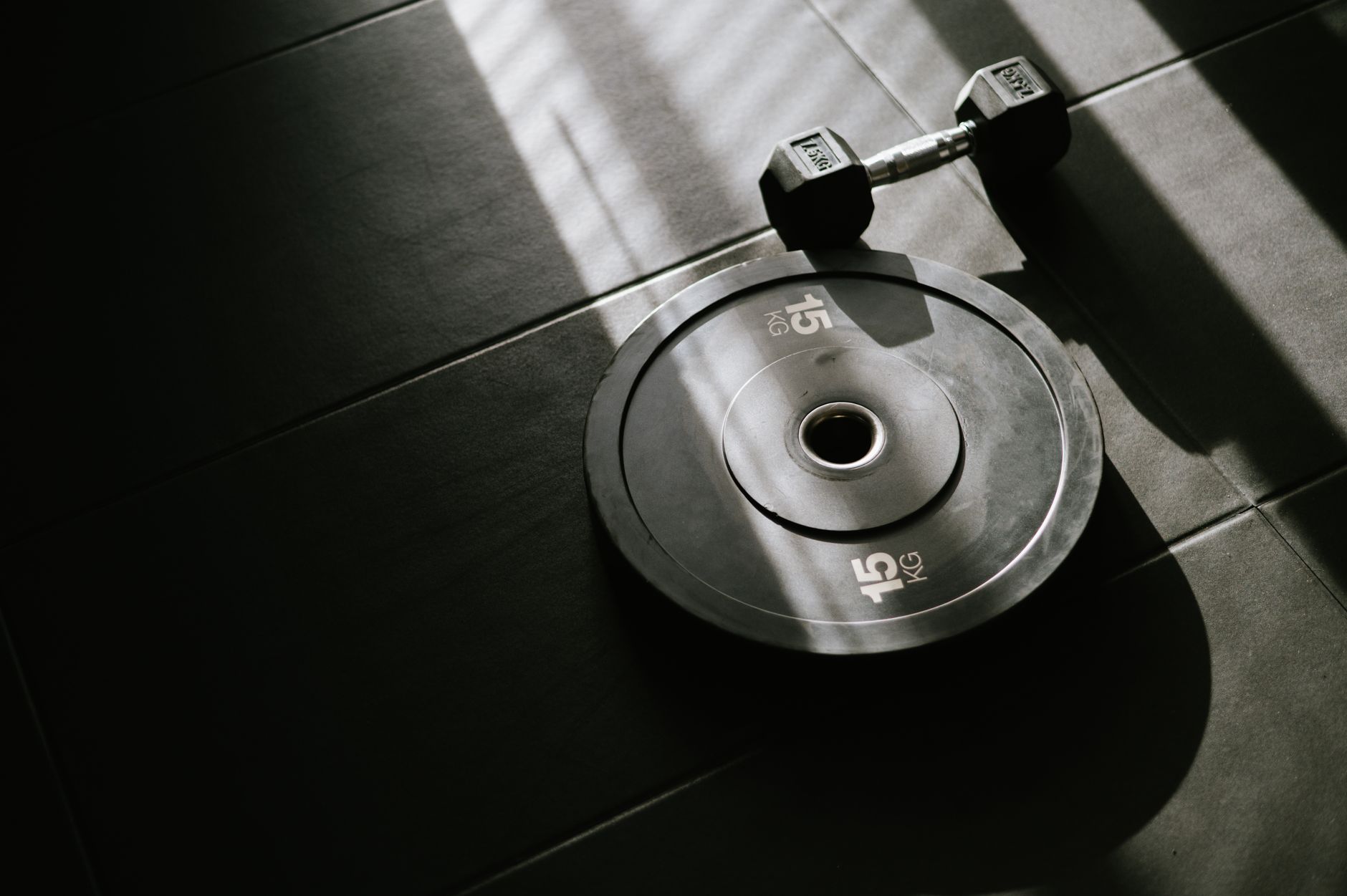
Rust on cast iron is manageable if you catch it early and store the set properly.
- Wipe down after use — sweat left on the metal is the single biggest cause of early rust on the grip and end caps.
- Store away from moisture — a damp garage or an outdoor storage box accelerates rust far faster than an indoor room, even one without climate control.
- Touch up chips promptly — a chipped section of paint left exposed for months gives rust time to spread underneath the surrounding finish. A small tin of matching enamel paint fixes this in minutes.
- Treat light surface rust with a wire brush and oil — light surface rust comes off with a wire brush, after which a thin coat of machine oil slows new rust from forming on the exposed metal.
When NOT to buy cast iron dumbbells
Straight up: cast iron is not the right choice in every situation.
You train on a hard floor without matting
If you are not willing to add a rubber gym mat under your training area, cast iron will chip your flooring over time. Either budget for matting alongside the dumbbells or choose a rubber-coated set instead.
You share a wall, floor, or room with someone who minds noise
The clank of cast iron set down at the end of a set carries through floors and walls more than a rubber-coated equivalent. In an apartment or a shared house, that noise difference is worth factoring in before buying.
You store equipment somewhere humid
A coastal climate, an unheated garage, or an outdoor storage shed all accelerate rust on cast iron considerably. If dry, indoor storage is not realistic for you, a rubber-coated or urethane set avoids the maintenance problem entirely rather than requiring you to manage it.
Frequently Asked Questions
What are cast iron dumbbells made of?
Cast iron dumbbells are moulded from a single piece of iron, sometimes with a painted or knurled finish and a separate handle section. Unlike rubber-coated or urethane dumbbells, there is no outer layer over the metal, which is what gives cast iron its lower price and distinctive metallic sound during training.
Do cast iron dumbbells rust?
Yes, bare cast iron rusts when exposed to moisture, which is why most sets ship with a painted or powder-coated finish. Once that finish chips or wears through, the exposed metal underneath is vulnerable, particularly in humid storage areas or garages without climate control.
Are cast iron dumbbells better than rubber-coated dumbbells?
Neither is better outright, they suit different priorities. Cast iron costs less and takes up slightly less space for the same weight, while rubber-coated dumbbells protect flooring, reduce noise, and are more forgiving if dropped. Choose cast iron if budget and compact storage matter most, and rubber-coated if you train on a hard floor or in a shared space.
Can cast iron dumbbells damage floors?
Yes, dropping or setting down cast iron dumbbells on tile, wood, or concrete without protection can chip the floor and the dumbbell's paint finish. A rubber gym mat under your training area solves this without needing to switch dumbbell material.
How long do cast iron dumbbells last?
The metal itself can outlast decades of regular use, since there is no coating to wear through or crack the way there is on rubber or urethane dumbbells. The main failure points are the painted finish, which chips with heavy use, and rust if the finish is not maintained.
When should I not buy cast iron dumbbells?
Skip cast iron if you train on a hard floor without matting and are not willing to add protection, if you share a training space where noise matters, or if you live somewhere humid and cannot store them in a dry area. In any of those situations, rubber-coated or urethane dumbbells hold up better with less maintenance.
Related at Flexi Muscles
- Strength Training Equipment — dumbbells, barbells, plates, and benches for your home gym
- Lifting Accessories — gloves and grip support for handling metal equipment
- All Products — the full Flexi Muscles range