

Best Weight Lifting Equipment: What You Actually Need for a Home Gym

By Flexi Muscles — 19 July 2026 · 11 min read
The best weight lifting equipment for a home gym is six things: a barbell and weight plates, a bench, a rack, a weightlifting belt, lifting straps, and gloves. That's it. Everything else sold as "essential" is either a substitute for one of those six or a convenience you can add once you know what you actually use.
Shop Strength Training Equipment at Flexi Muscles
The Six Pieces That Actually Matter
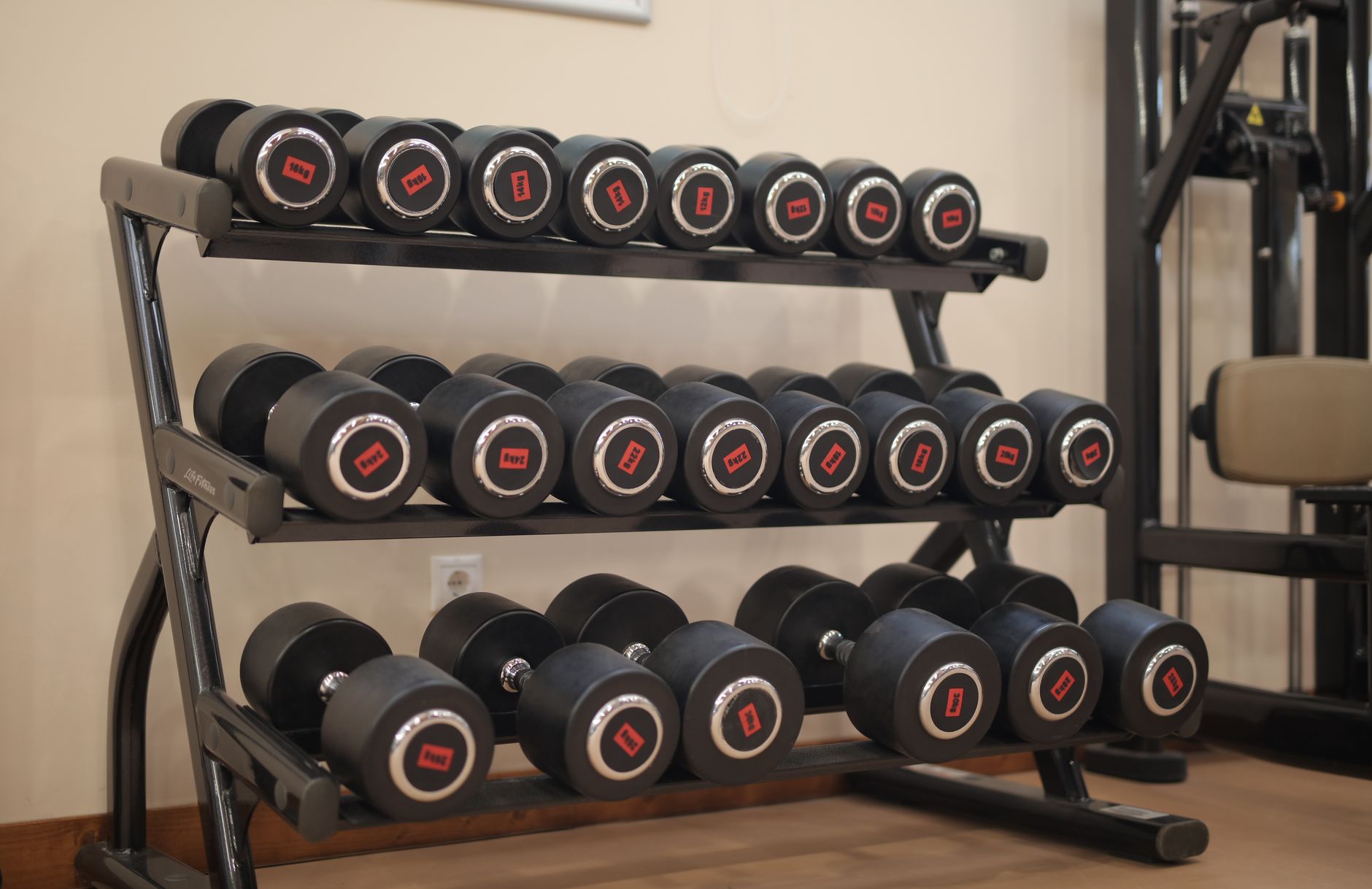
Search for "best weight lifting equipment" and you'll mostly find reviews of branded all-in-one machines with built-in cable systems and touchscreens. That's a different category — those are home gym systems, not weight lifting equipment, and they solve a different problem. If your goal is to squat, bench, deadlift, and press with free weights, you need six categories of gear, and everything past that is optional.
Training weights and gym weights come in two forms: fixed dumbbells and a loadable barbell with plates. For anyone doing structured strength work rather than general fitness, the barbell wins on cost per kilogram and on how far it scales as you get stronger. A bench and rack turn that bar into a full programme. A belt, straps, and gloves protect your body and your grip once the weight on the bar stops being trivial.
Buy in that order and you'll rarely regret a purchase. Buy in reverse order — gloves and a belt before you own a bar — and you'll own accessories for a training programme you haven't started yet.
Barbell and Weight Plates

A standard Olympic barbell is 20kg and 2.2m long, with a 50mm sleeve diameter that fits Olympic plates. That single spec is why the barbell is the most flexible piece of equipment you'll own — every plate, collar, and rack you buy afterward is built around that same sleeve diameter, so your first purchase determines what fits for years.
For plates, cast iron is heavier for its size and cheaper per kilogram than rubber-coated bumper plates. Bumper plates cost more but protect your floor if you drop the bar, which matters if you're training on a concrete slab in a garage rather than a rubber gym floor. Buy cast iron if budget matters more than noise and floor protection. Buy bumper plates if you're doing deadlifts you might drop, or if you share a floor with a downstairs neighbour.
Don't buy a cheap 15kg "starter set" and assume it'll last. Most lifters outgrow their first plate purchase within a few months on at least one lift — usually the deadlift. Buy more plates than you think you need, or buy a barbell and a small set first and add plates as your numbers climb.
A Weight Bench
A flat bench gets you bench press, rows, and a stable base for accessory work. An adjustable bench adds incline and decline positions for shoulder press and variation work, at a higher price and with more moving parts to eventually replace.
If you're choosing between the two, buy flat first. Incline pressing is useful but it's not the exercise most programmes are built around, and a flat bench does everything a beginner or intermediate programme needs. Upgrade to adjustable once you know your training actually calls for the extra angles, not because the box says "6-in-1."
Check the weight rating before you buy, and check it against the combined weight of you plus the bar plus plates — not just the bar. A bench rated for 150kg total load sounds generous until you're pressing 80kg for reps and the bench itself weighs 15kg.
A Squat Rack
A rack does two jobs: it holds the bar at a height you can un-rack without help, and it catches the bar if you fail a rep. Neither job matters much until your squat or overhead press gets heavy enough that lifting the bar off the floor to start every set becomes its own workout.
Full power racks with safety pins are the safer option if you train alone and push close to failure — the pins catch a failed squat so you don't need a spotter. Half racks and squat stands are cheaper and take up less floor space, but offer less protection on a missed rep. If you always train with someone else in the room, a squat stand is often enough. If you train alone late at night, spend the extra money on pins.
Skip the rack entirely if your programme doesn't include barbell squats near your working max — plenty of effective strength programmes lean on deadlifts, presses, and rows instead, and none of those need a rack to load safely.
A Weightlifting Belt

A weightlifting belt increases intra-abdominal pressure when you brace against it, which supports your spine on heavy squats, deadlifts, and overhead lifts. It doesn't lift the weight for you — it gives your core something firmer to push against than air.
Don't buy one on day one. A belt is most useful once you're loading the bar close to your limits, roughly when your squat or deadlift approaches one and a half times bodyweight for most lifters. Before that, you're better off learning to brace your core without one — leaning on a belt too early can mean you never build that bracing strength on its own, so you're weaker the moment you take the belt off.
When you do buy one, a stiff leather or nylon belt of even width around the whole belt beats a tapered "back support" belt from a hardware store — the tapered kind is built for lifting boxes, not barbells, and won't hold pressure the same way under a loaded bar.
Lifting Straps
Straps wrap around the bar and your wrist so your grip stops being the limiting factor on pulling movements — deadlifts, rows, and shrugs. Without straps, your forearms often give out before your back or legs do on a heavy deadlift set, which caps how much work the actual target muscles get.
Figure-eight straps are the simplest and cheapest option. Lasso straps and hook straps let go of the bar faster between sets, which matters more once you're doing higher-rep pulling work or moving quickly between exercises.
Use straps for pulling work where grip is the bottleneck, not for every exercise. If you use straps on every set of every pulling movement from week one, your grip strength never gets a reason to improve, and grip strength carries over to almost every other lift you do.
Weight Lifting Gloves

Gloves for weight lifting protect your palms from callouses and improve grip on knurled bars that would otherwise bite into bare skin over a long session. They're the most optional item on this list — plenty of serious lifters train bare-handed for the exact reason others buy gloves, because callouses build a grip that gloves would otherwise soften.
Buy gloves if you're new to barbell training and your hands aren't used to the friction yet, or if you find bare-handed grip painful enough that it's cutting sets short. Skip them if you've been training a while and your hands have already adapted — at that point gloves usually just add bulk between your palm and the bar, which can make your grip on the bar less precise, not more secure.
Callouses are annoying until you're the person at the gym doing double-overhand deadlifts everyone else needs straps for. Gloves fix a problem your hands will eventually fix on their own.
What to Buy First on a Limited Budget
If you can only buy one or two things this month, buy the barbell and enough plates to load your current working weights, then stop. A bar and plates alone let you deadlift, row, and press from the floor — no bench or rack required. That covers a genuinely useful training programme on its own.
Add a bench next, once bar work alone starts to feel limited. A flat bench adds bench press and a stable base for accessory lifts, and it's cheaper than a rack.
Leave the rack, belt, straps, and gloves for last. None of them are useless — they're just solving problems you don't have yet if you're just starting out. A rack matters once your squat is heavy enough that lifting the bar off the floor every set is its own workout. A belt matters once your lifts approach one and a half times bodyweight. Straps and gloves matter once grip or skin, not strength, is what's limiting your sets.
Small Space? Here's What to Skip
A full power rack needs roughly 1.5 to 2 square metres of floor space plus overhead clearance for the pull-up bar most racks include. In a lot of South African apartments and townhouse garages, that's more floor than the room has to give.
If space is the constraint, skip the rack and build your programme around exercises that don't need one: deadlifts, rows, floor press, and single-arm dumbbell work all load heavy without a rack in the room. A barbell, plates, and a flat bench that folds or slides under a bed will fit into most spare rooms that a rack won't.
If you genuinely need squats and don't have rack space, resistance bands anchored to a door frame or a squat stand that folds flat against a wall are worth considering as a smaller-footprint substitute — neither replaces a rack for heavy barbell squats, but both keep the movement pattern in your programme without needing the floor space a full rack demands.
Frequently Asked Questions
What is the most important piece of weight lifting equipment to buy first?
A barbell and a set of weight plates. Almost every other item on this list exists to support what you do with the bar — a bench gives you somewhere to press from, a rack gives you somewhere to rack it, a belt and straps help you lift more of it. Buy the bar first.
Do I need a squat rack if I already have a bench?
Only if you plan to squat or overhead press near your working max. For bench press, deadlifts, rows, and accessory work, a bench and a barbell get you through most programmes without a rack. Add the rack when heavy squats become part of your training.
Is a weightlifting belt necessary for beginners?
No. A belt increases intra-abdominal pressure on near-maximal lifts, which most beginners aren't yet loading. Learn to brace your core without one first. Add a belt once your squat or deadlift starts approaching one and a half times your bodyweight.
What's the difference between a lifting strap and a weightlifting belt?
A belt supports your spine by increasing core pressure during squats, deadlifts, and overhead lifts. A strap wraps around the bar and your wrist to stop the bar slipping out of your grip during pulling movements like deadlifts and rows. They solve different problems and most lifters eventually own both.
Can I build a home gym without a rack?
Yes, if your training doesn't include heavy barbell squats or overhead presses taken to failure. A barbell, plates, and a bench cover deadlifts, rows, bench press, and most accessory lifts. Add a rack later if your programme calls for it.
How much weight in plates should I start with?
Enough to load a 20kg barbell to roughly your current working weights on squat, bench, and deadlift, plus a few smaller plates for progressive increases. Most people buying their first set underestimate how quickly they need more plates on the bar, not fewer.
Related at Flexi Muscles
- Strength training equipment — barbells, racks, and benches
- Lifting accessories — belts, straps, and gloves
- Dumbbells — for accessory and single-arm work
- Resistance bands — a smaller-footprint alternative for squat pattern work
- All products